
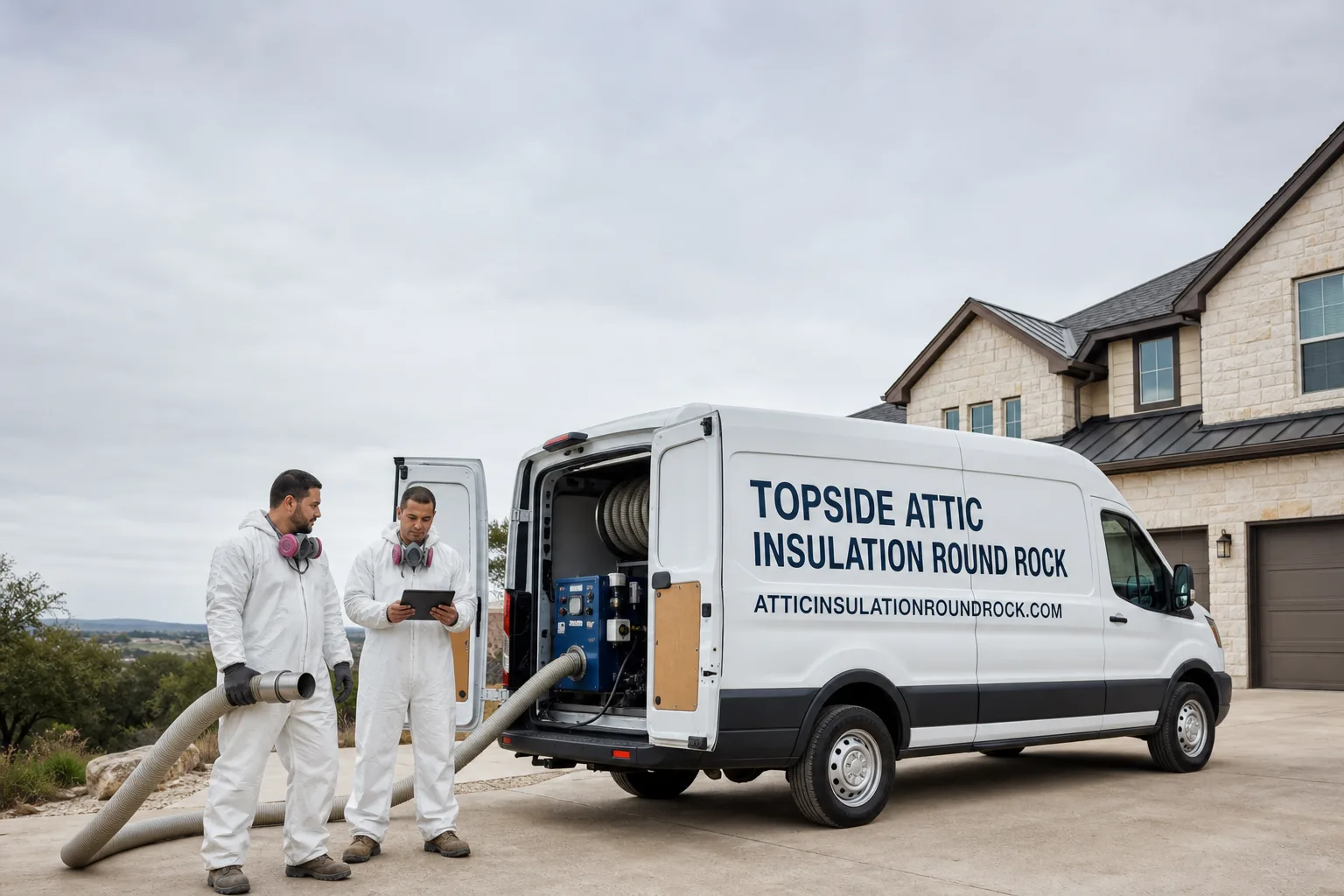
Fast, Reliable Blown-In Insulation Across Brushy Creek
Most blown-in insulation overhauls in Brushy Creek run $2,800-$5,500 for a typical 1,800-2,400 square foot home, and we can usually get a crew out within 24-48 hours of your call. We know these houses - the 1985-2000 production builds off Brushy Creek Road, the two-stories near Creek Bend Boulevard, the ranches backing up to Fern Bluff Elementary. Our crews work from our Austin office but live in and around Williamson County, so Brushy Creek isn’t a map pin to us; it’s the specific subdivision pattern we’ve been treating since 2016. Call (737) 259-7528 for a written price before any work starts.
Why Topside Attic Insulation Round Rock Is Brushy Creek’s Preferred Blown-In Insulation Company
We’ve sealed and insulated over 9,000 homes since 2016, and a measurable share of them sit right here in Brushy Creek’s 78681 and 78664 ZIP pockets. Our reviews from Brushy Creek customers consistently note the same thing: we show the blower-door numbers, not just promise results. Under Haven Standard Clause 1, every job starts with a flat written price, a written scope, and a written warranty - before anyone lifts a tool.
Response time to Brushy Creek averages same-day or next-day scheduling, with dispatch coordinated from our Austin office. Our technicians are background-checked, uniformed, and named in your confirmation text - you’ll know who’s arriving and when. Calls are answered by a live person, 24/7. No voicemail loops. No callback windows measured in business days.
What separates us in Brushy Creek specifically is pattern recognition. The same tract builders reused floor plans across hundreds of lots here. We don’t need to explore to find the missing top-plate caulk lines and unsealed interior wall penetrations. We know where they are because we’ve found them dozens of times in homes with your same plan.
Our Blown-In Insulation Services in Brushy Creek
Blown-In Cellulose
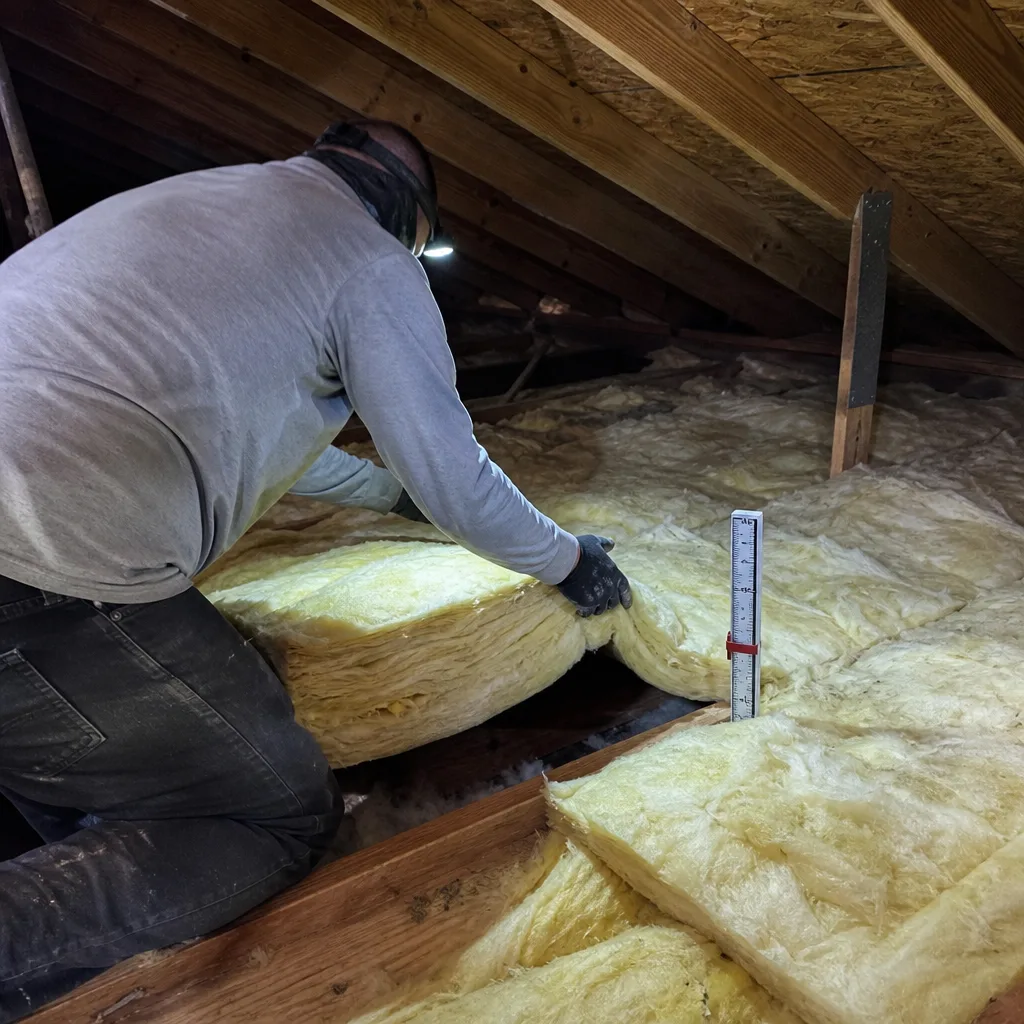
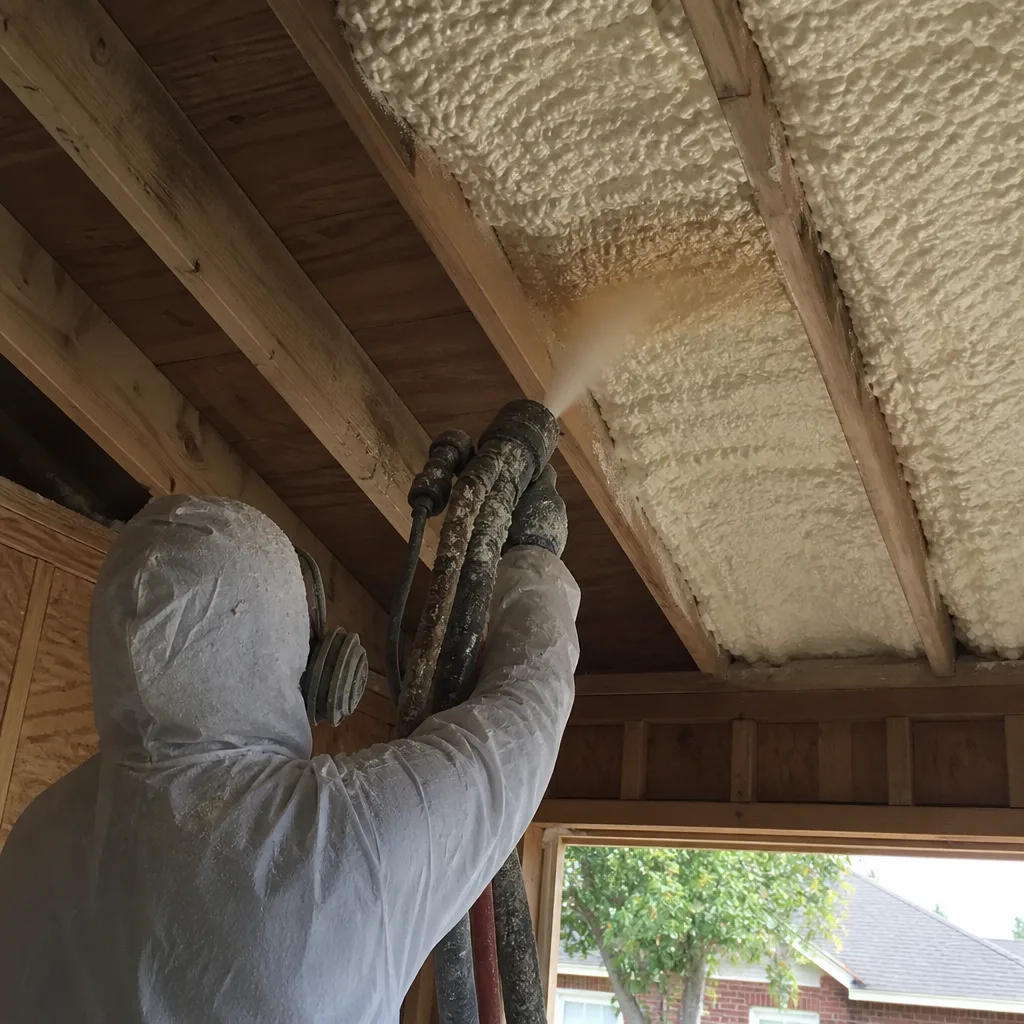
Cellulose is our most common specification for Brushy Creek attics, and we typically source it from GreenFiber or Knauf. We blow to R-49 over fully sealed attic floors - never over unsealed decking. In Brushy Creek’s 140-150°F summer attics, cellulose performs well because it resists convection currents better than loose fiberglass when density is correct. We were called to a two-story 1994 tract home off Creek Bend Boulevard where the homeowner’s original R-19 batts had settled to roughly four inches and blown apart around the recessed cans. Our crew dense-packed the wall cavities and blew GreenFiber cellulose to R-49 over the existing decking after air-sealing the top plates and every interior wall penetration we could reach, and the customer reported the upstairs bedrooms finally holding temperature through a July afternoon.
Blown-In Fiberglass
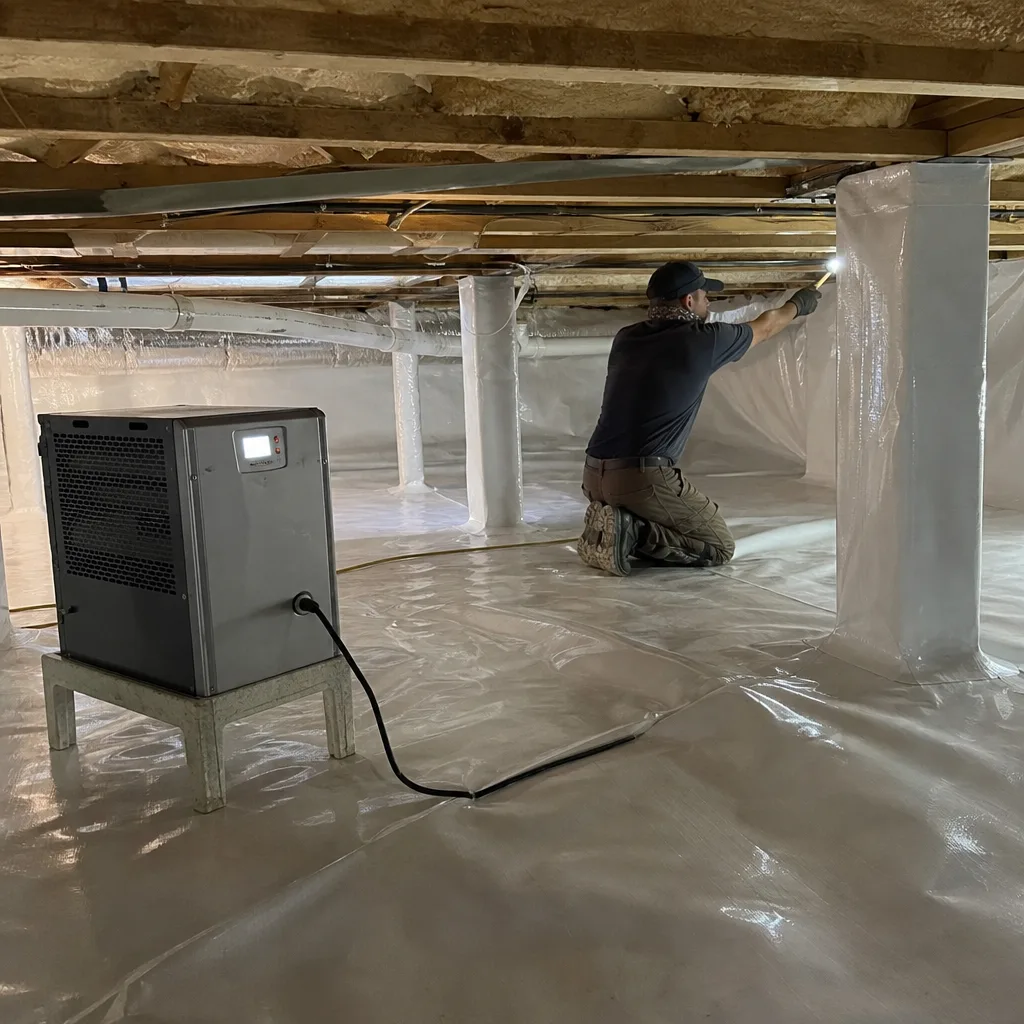
We install blown-in fiberglass from Owens Corning, Johns Manville, and CertainTeed where homeowners prefer it or where moisture risk profiles favor a non-cellulose choice. In Brushy Creek’s vented slab-on-grade homes, fiberglass works when the attic floor is properly sealed first. We don’t recommend it as a top-up over old batts - the layering creates density inconsistencies that show up on thermal imaging as cold stripes across the ceiling.
Dense-Pack Wall Insulation
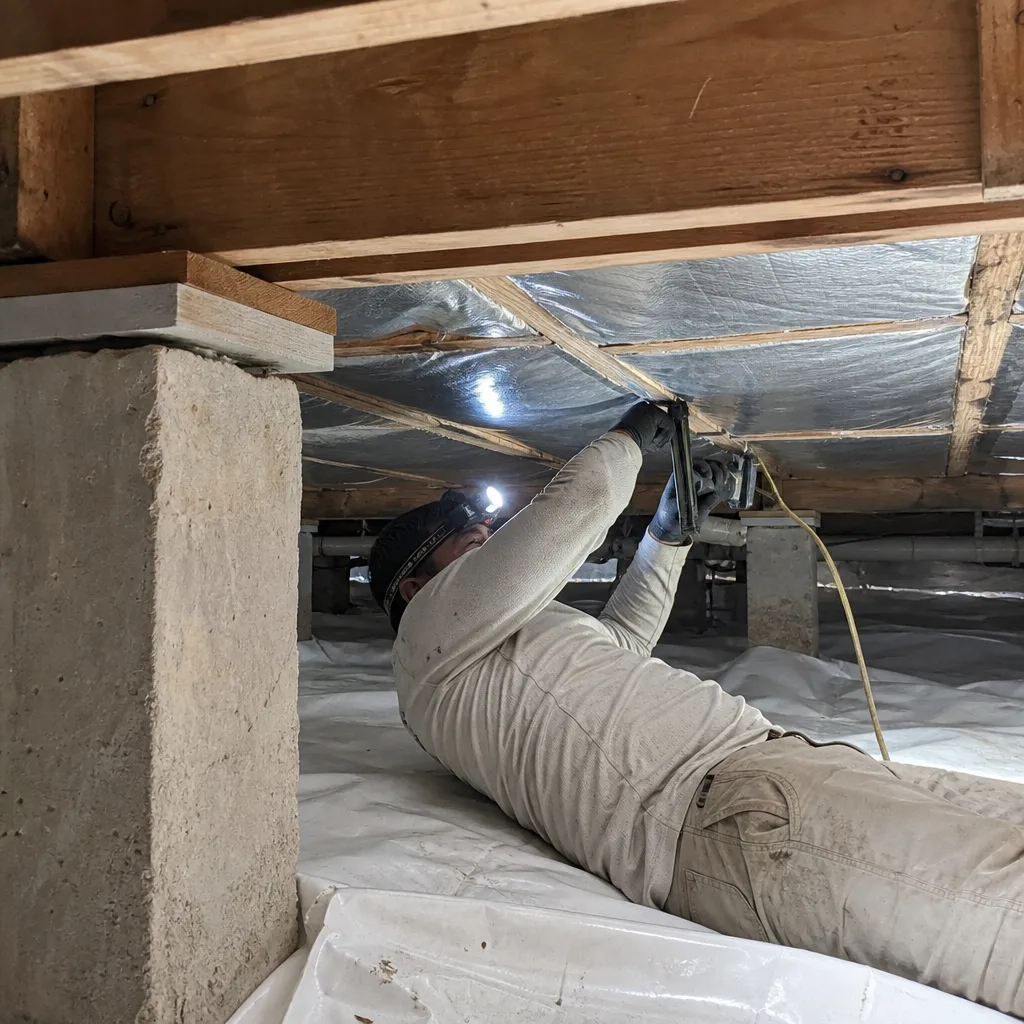
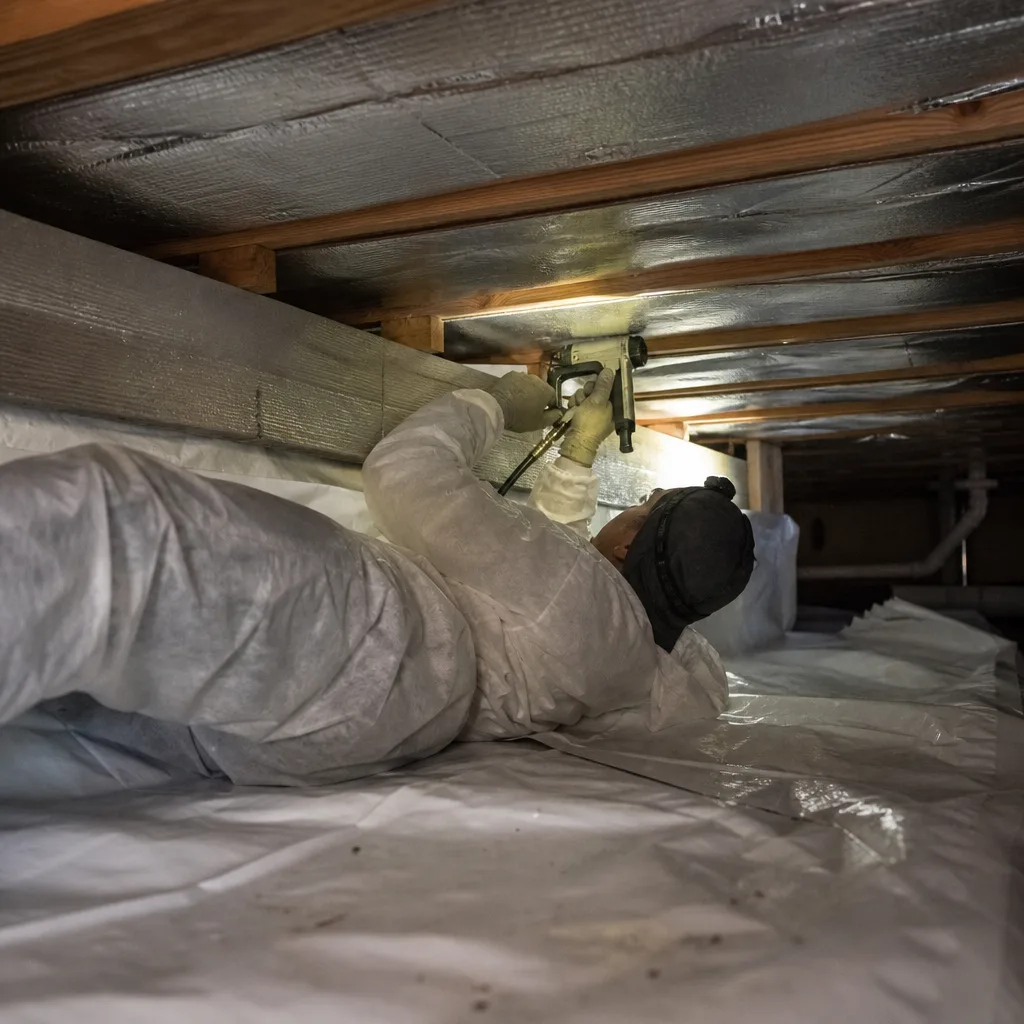
This is the critical add-on for Brushy Creek’s 1990s two-stories. Those original R-13 fiberglass batts in your wall cavities? They’re doing almost nothing after 30 years, and they did little to begin with. Dense-packing - blowing cellulose at 3.5-4.0 pounds per cubic foot into closed wall cavities through discrete exterior or interior access points - fills the gaps without tearing out drywall. We target the same wall penetrations the builder skipped. Post-Uri, a measurable wave of Brushy Creek homeowners discovered their 1990s-era homes had virtually no insulation at top plates and interior wall penetrations - gaps that a local contractor working this specific subdivision pattern would know to address as a standard add-on because the same builder used the same air-sealing shortcuts across hundreds of nearly identical floor plans throughout the CDP.
Blown-In Top-Up
We offer top-ups, but we’re direct about when they don’t make sense. If your original R-19 batts are compressed, contaminated, or separated at the joists - which we find in roughly 80% of Brushy Creek homes built before 2000 - blowing new material over the old traps dust, blocks proper coverage, and leaves the air-sealing gaps untouched. We’ll show you photos. If a top-up is appropriate, we rake and condition the existing layer first, then blow to uniform depth with documented coverage verification.
What happens when you call
- 1
A real person answersNo phone trees - you reach a local pro.
- 2
You get an upfront price rangeHonest numbers before anyone is dispatched.
- 3
A background-checked tech heads outLicensed & insured, dispatched right away.
- 4
You approve before work beginsNothing starts until you say go.
Trusted Brands We Service in Brushy Creek
We source materials from Knauf, Rockwool, CertainTeed, Icynene, and other major manufacturers - no proprietary lock-in that limits your options. For Brushy Creek jobs, we stock Knauf EcoFill and Jet Stream fiberglass, Rockwool Comfortbatt where fire resistance or sound control is specified, and CertainTeed InsulSafe for high-velocity blowing applications. Our crews carry multiple material types on the truck, so we’re not making a second trip because your attic calls for something different than what showed up. Fast turnaround matters when you’re trying to get ahead of summer heat gain or winter pipe-freeze risk.
Common Blown-In Insulation Problems We See in Brushy Creek Homes
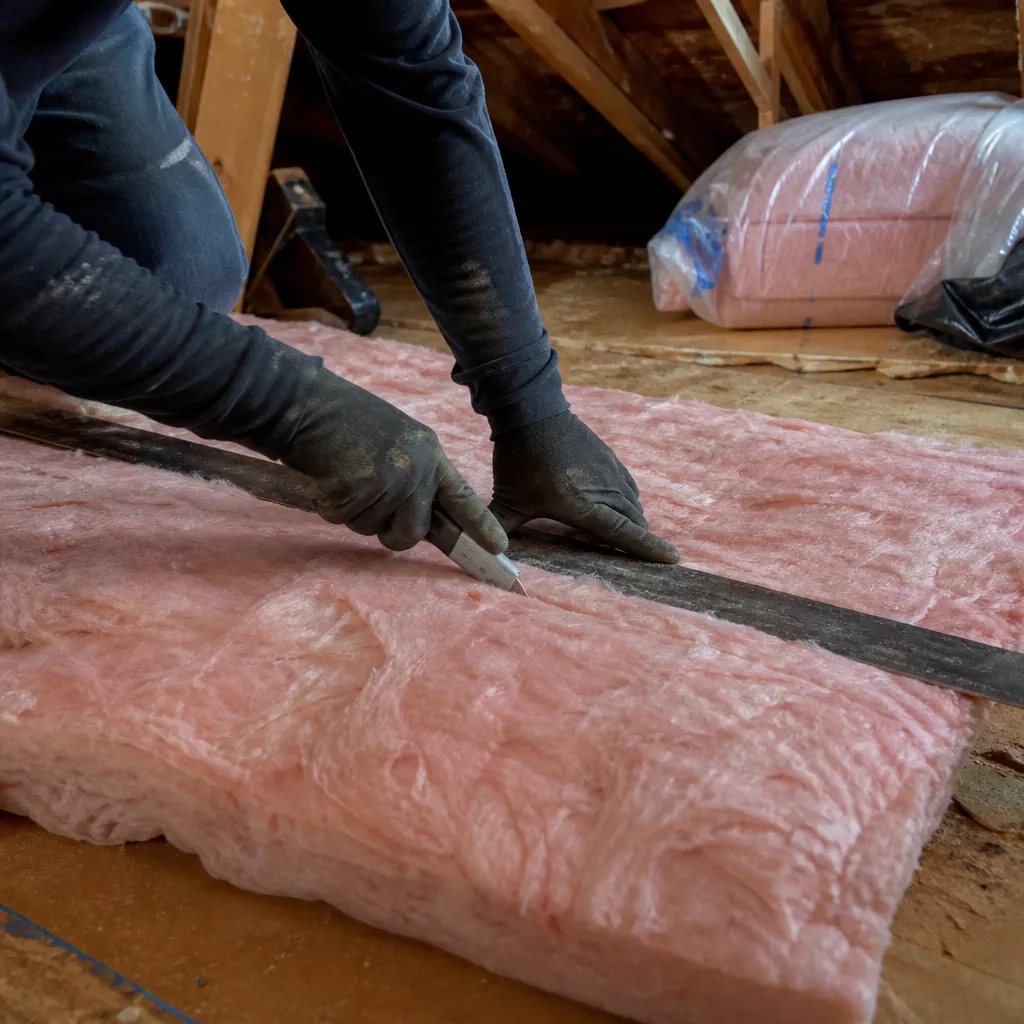
- Settled, fragmented R-19 batts leaving bare deck. Original 1980s-1990s R-19 fiberglass batts settled, compressed and separated at the joists after 25-40 years under 140-150°F attic temps, leaving large bare-deck voids that read as “insulated” from the hatch. We photograph this on every initial inspection.
- Zero air-sealing at top plates and wall penetrations. No air-sealing at top plates or interior wall penetrations - the builder shortcut repeated across hundreds of identical Brushy Creek floor plans - so blown-in material alone gets bypassed by attic air and loses measurable R-value. Our blower-door test quantifies this before we start.
- Contaminated top-ups trapping old material. Blown-in top-ups over old, contaminated batts without removing or raking them trap dust and block proper coverage, and can’t fix the wall-cavity R-13 gap that drove the Feb 2021 Uri pipe freezes. We see this from quick-fix competitors regularly.
- Thermal bridging through uninsulated framing. Wall cavities in these homes typically have only original R-13 fiberglass batts with no continuous exterior insulation, meaning thermal bridging through wood framing is a widespread, underaddressed problem that shows up as cold wall stripes in winter and hot stripes in summer.
Pricing for Blown-In Insulation in Brushy Creek, TX
Here’s what most jobs in Brushy Creek actually cost, based on the 1,800-2,800 square foot homes that dominate this market:
| Service | Typical Range |
|---|---|
| Attic blown-in cellulose to R-49 (air sealing included) | $2,800-$4,800 |
| Attic blown-in fiberglass to R-49 (air sealing included) | $2,600-$4,400 |
| Dense-pack wall insulation (per 1,000 sq ft of wall area) | $1,800-$3,200 |
| Blown-in top-up over conditioned existing layer | $1,200-$2,100 |
| Full removal of old batts + new blown-in to R-49 | $3,800-$6,200 |
What moves you within these ranges: attic square footage, accessibility (steep pitches and tight hatches add labor), whether we need to build dams around recessed lighting or HVAC platforms, and whether dense-packing walls is part of the scope. Every Brushy Creek job gets a written price before any work starts - Haven Standard Clause 1 - and we offer a Free Second Opinion on any competing written estimate. Call (737) 259-7528 for your specific number; estimates are free.
We Also Serve Cities Near Brushy Creek
Our crews work throughout Williamson County and north Travis County, including Brushy Creek, Round Rock, Wells Branch, Pflugerville, and Hutto. Dispatch and scheduling are coordinated from our Austin office, but the technicians serving your area live locally and know the subdivision patterns. Whether you’re in Brushy Creek proper or one of these neighboring communities, the same written-price-first process and documented photo record apply.
Serving Brushy Creek, TX - Our Local Coverage Area
We’re based in the Brushy Creek area and know this community well. Use the map below to see our service coverage - if you’re nearby, we can almost certainly help.
FAQs - Blown-In Insulation in Brushy Creek
Because the original R-19 batts in your 1985-2000 production home have likely settled to 3-4 inches, fragmented at the joists, and left bare deck exposed - and the builder never sealed top plates or wall penetrations in the first place. A top-up over that compromised layer traps contamination, hides the gaps, and leaves your wall cavities at R-13. We photograph the condition and show you before we recommend scope. Call (737) 259-7528 for a free inspection and written price.
No - blown-in attic insulation alone does not stop pipe freezes. The February 2021 storm revealed that Brushy Creek homes with frozen pipes typically had both inadequate attic insulation and unsealed air leaks at top plates, where cold attic air dropped into wall cavities. Our protocol seals first, then insulates, and we dense-pack walls where plumbing runs exterior walls. The blower-door test before and after documents the reduction in air leakage. Call (737) 259-7528 to discuss whether your home’s plumbing paths need wall cavity treatment.
Yes. We access wall cavities through discrete exterior holes (sided homes) or interior points behind baseboards or in closets, then blow cellulose at 3.5-4.0 pounds per cubic foot to fill the cavity without removing drywall. In Brushy Creek’s repeated floor plans, we know which walls are exterior, which contain plumbing, and where the builder’s R-13 batts have likely slipped or compressed. The process takes 1-2 days for a typical home. Call (737) 259-7528 for a written scope and price.
We typically specify cellulose for Brushy Creek attics. At proper density, it resists convection looping better than loose fiberglass in extreme temperature differentials, and it performs well in the humidity profile at the eastern edge of the Edwards Plateau transition where Brushy Creek sits. Fiberglass is appropriate where moisture risk or homeowner preference dictates. We stock both and will show you the thermal performance data for your specific application. Call (737) 259-7528 to discuss which material fits your home.
Pop your attic hatch and look for yellow or pink fiberglass batts labeled R-19, often discolored and compressed to 3-4 inches, with gaps at the edges and around recessed cans. If that’s what you see, you have the original insulation - and it’s performing at roughly half its labeled R-value after 25-40 years. Our inspection includes photos, a thermal camera walk, and a blower-door test if we’re doing a full scope. The documentation is yours to keep either way. Call (737) 259-7528 to schedule; estimates are free.
Ready to see what your attic actually looks like? Call (737) 259-7528 for a free estimate. We’ll provide a written price before any work starts, a Documented Photo Record when the crew leaves, and before-and-after blower-door numbers on every applicable job so you can verify the performance change you paid for. The 365-Day Done Right Promise applies to all completed work - if it’s not done right, we make it right.
Written by Wes Okafor, Owner at Topside Attic Insulation Round Rock, serving Blown-In Insulation customers in Brushy Creek and surrounding communities since 2016.