
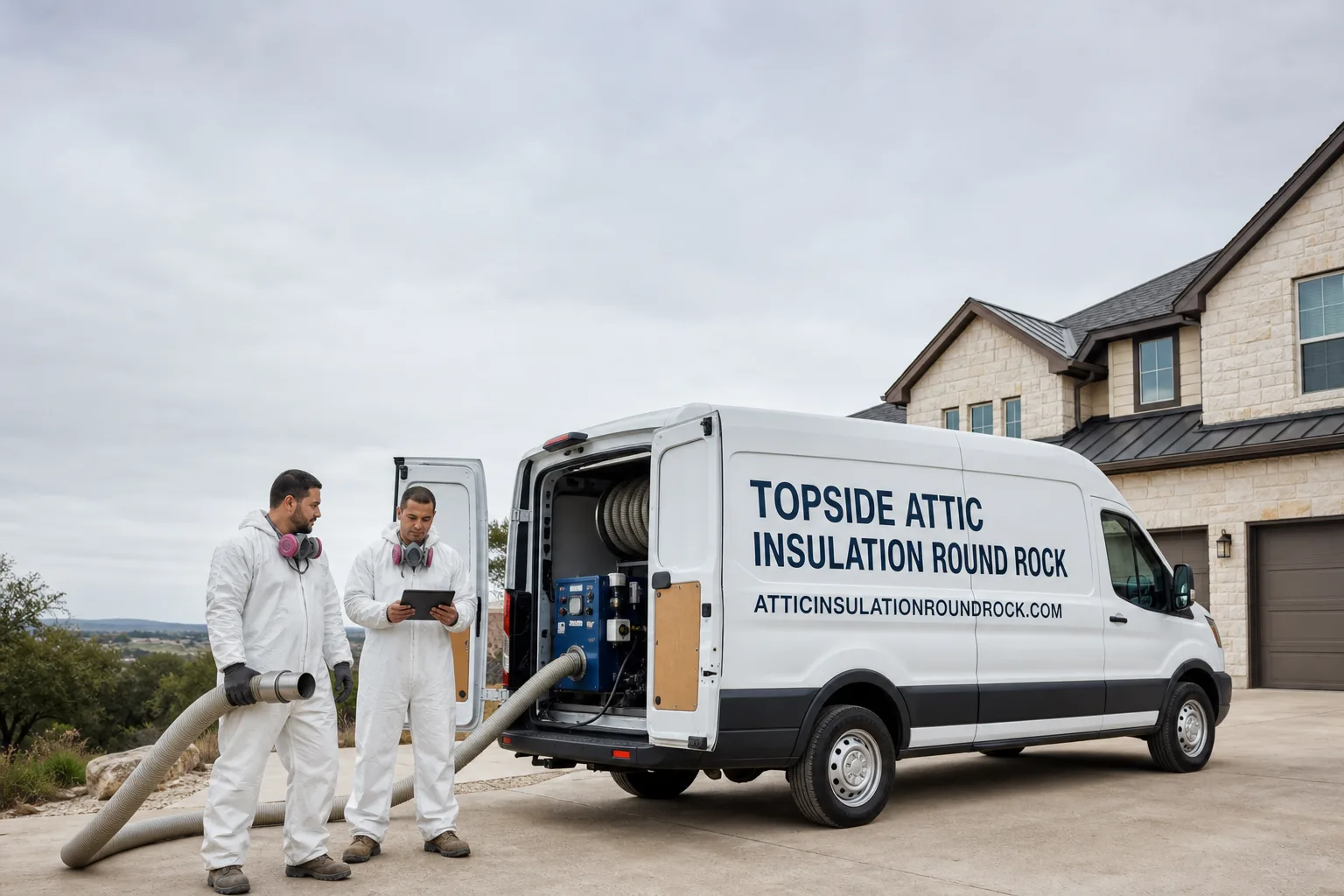
Fast, Reliable Blown-In Insulation Across Lakeway
Most blown-in insulation jobs in Lakeway run $1,800-$4,500 for a typical attic, with dense-pack wall work or multi-level hillside homes pushing toward the higher end. We dispatch crews daily from our Austin office and can usually be on-site in Lakeway within 24-48 hours of your call. If you’re seeing uneven temperatures between floors, spiking utility bills, or you’ve never had the lower level of your hillside home checked, call (737) 259-7528 for a free written estimate with upfront pricing.
We’ve worked on enough homes along Lakeway Boulevard, in The Hills of Lakeway, and up in the Rough Hollow area to know that the worst insulation problems in this city rarely show up where you’d expect. The attic hatch is easy. The walkout lower-level ceiling, invisible from above, is where the real money leaks out.
Why Topside Attic Insulation Round Rock Is Lakeway’s Preferred Blown-In Insulation Company
Our reputation in Lakeway was built on documented results, not promises. Every applicable job finishes with before-and-after blower-door numbers - a pressurization reading that shows, in one figure, how much conditioned air your home was losing before we started and how much it retains after. Homeowners in Lakeway receive that documentation, plus a photo record, plus a written warranty under our 365-Day Done Right Promise.
Reviews from Lakeway customers consistently cite two things: our crews show up when scheduled (you get a named technician and a text when they’re on the way, per Haven Standard: Arrive on schedule), and we find problems other auditors missed. The lower-level ceiling gap is the most common - a homeowner calls about the attic, and we discover the daylight-basement assembly was never insulated at all.
Response time to Lakeway is same-day or next-day for most calls. Dispatch coordinates from our Austin office, but our crews serve Lakeway locally and know the terrain - steep limestone driveways, limited access for hose trucks on hillside lots, and the specific challenges of working around Lake Travis humidity.
Local knowledge matters here because Lakeway’s building stock doesn’t behave like standard suburban construction. A technician trained on flat-lot, single-level homes will miss the thermal bypass in a multi-story walkout. We won’t.
Our Blown-In Insulation Services in Lakeway
Blown-In Cellulose
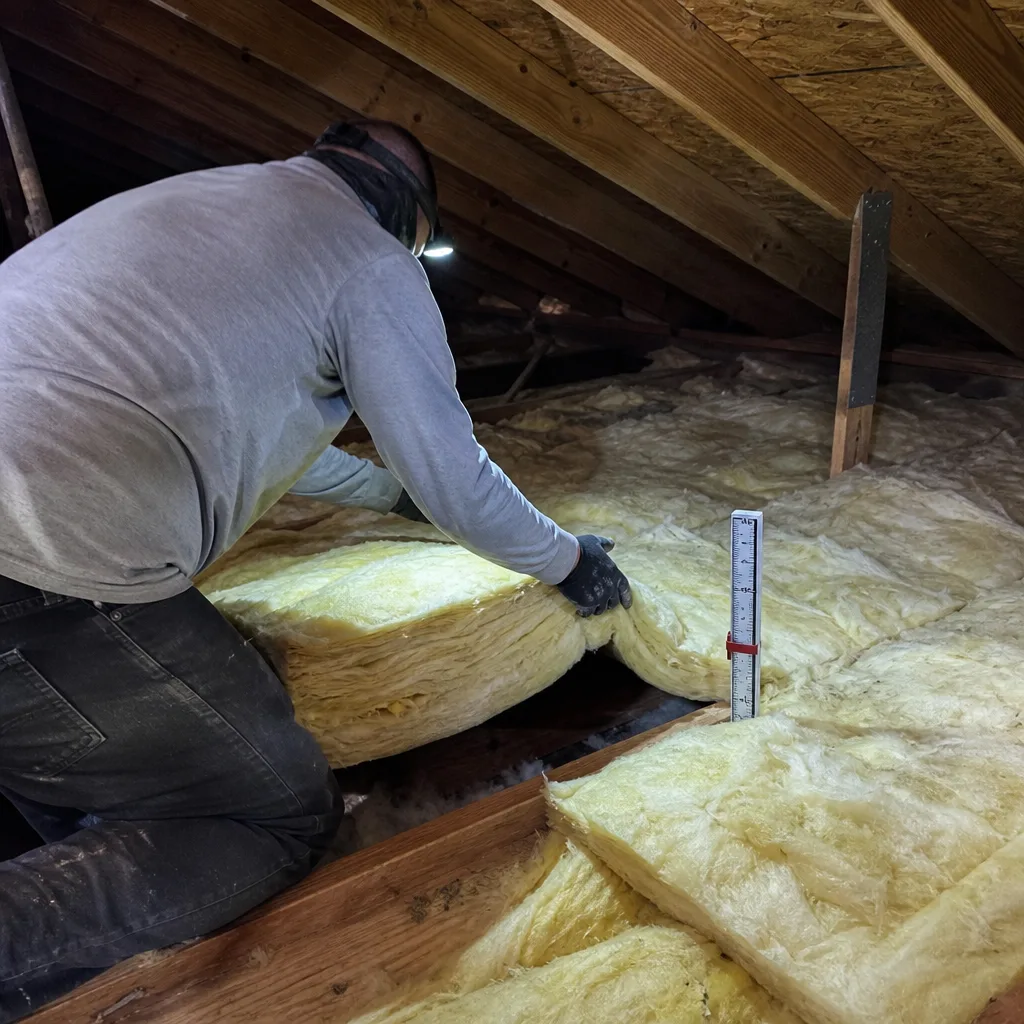
We use GreenFiber cellulose for many Lakeway jobs, especially where fire resistance and sound dampening matter. Cellulose performs well in the humid air coming off Lake Travis, and we pair it with thorough air sealing of top plates, can lights, and penetrations before any material goes in. In a typical Lakeway attic - often 2,500-4,000 square feet in these custom homes - blown-in cellulose runs $2,200-$3,800 including prep and sealing. We never blow insulation over an unsealed attic floor. Sealed first, then insulated. In that order.
Blown-In Fiberglass
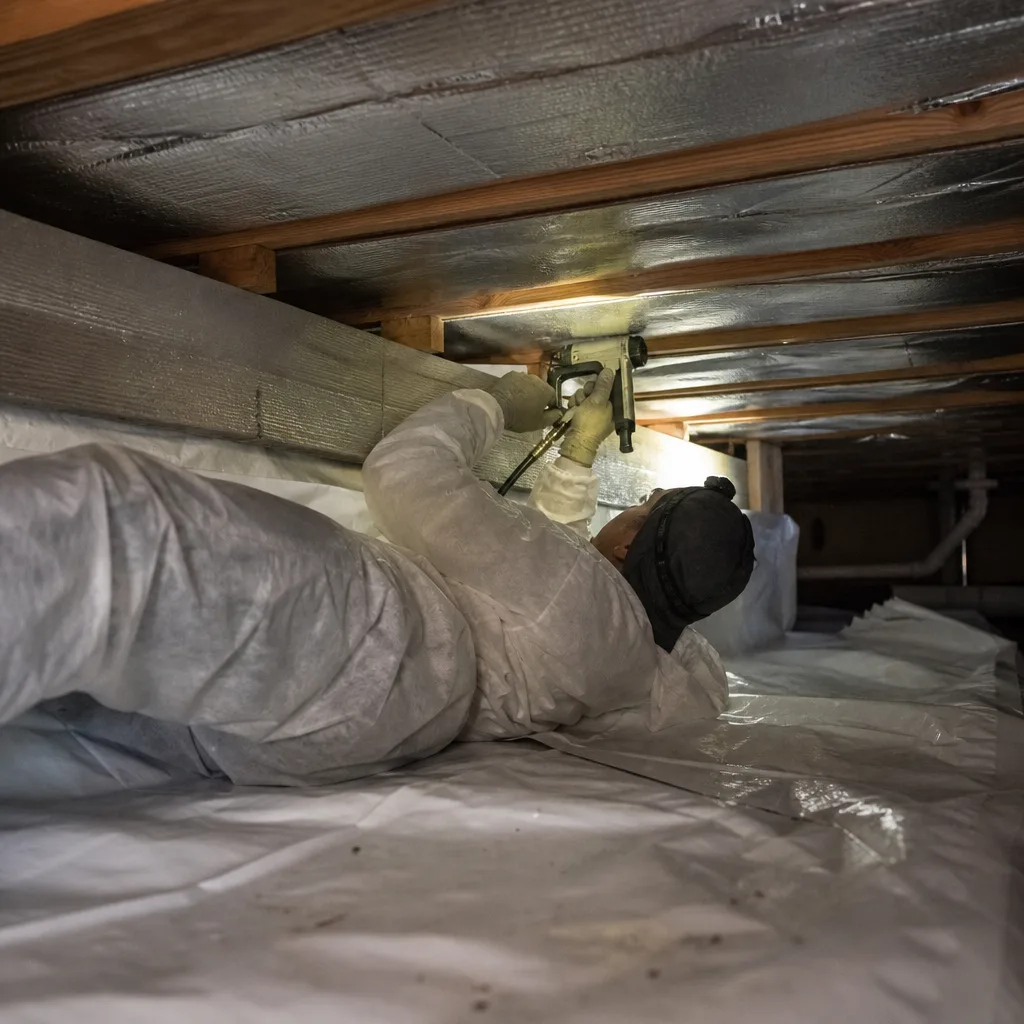
Owens Corning fiberglass is our go-to for vaulted cathedral assemblies in Lakeway’s Hill Country homes, where the material’s lighter weight reduces stress on complex rooflines and where moisture management is critical. These cathedral sections, common in great rooms off Lakeway Boulevard and throughout The Hills, often contain compressed batt from the original 1990s-2000s build. We remove or work around the settled material and blow fresh fiberglass to achieve consistent coverage without thermal bridging. Typical cathedral-only jobs run $1,800-$3,200; whole-attic fiberglass with prep work runs $2,800-$4,500.
Dense-Pack Wall Insulation
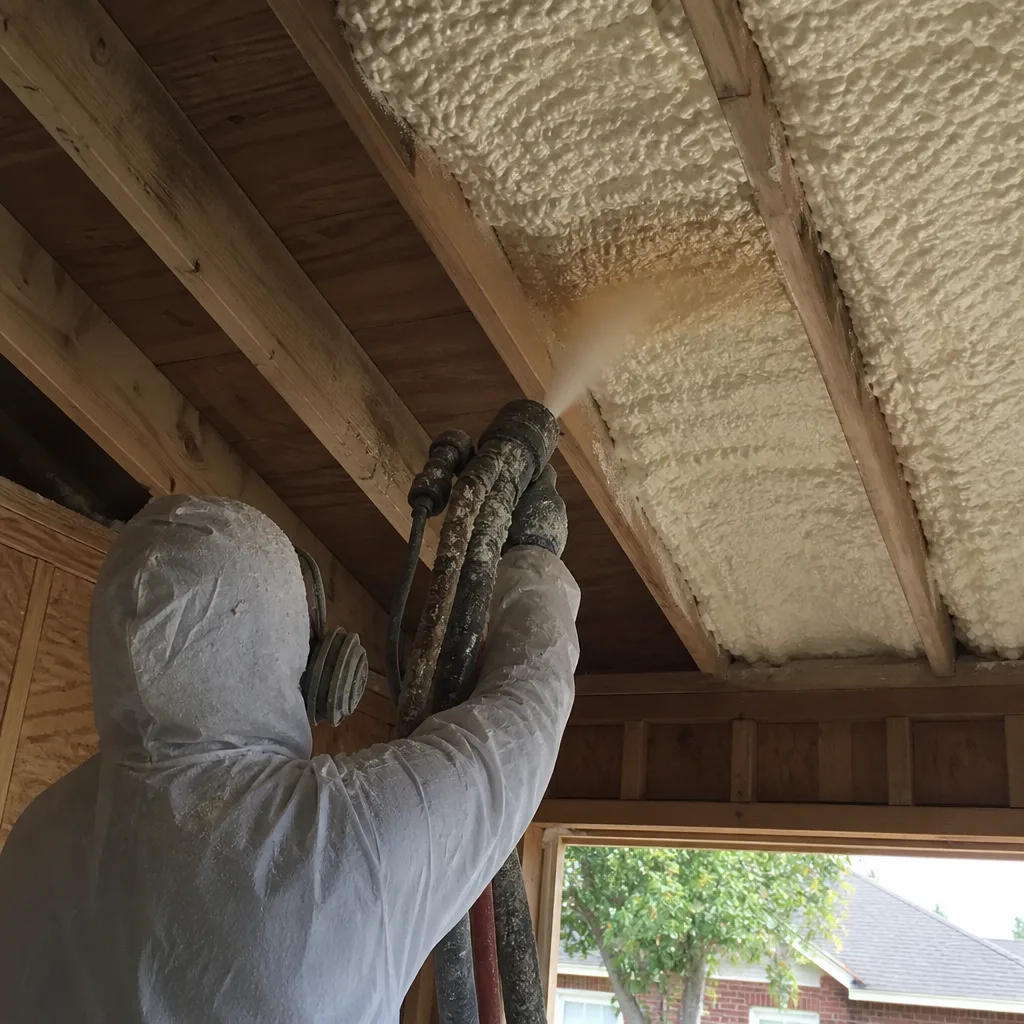
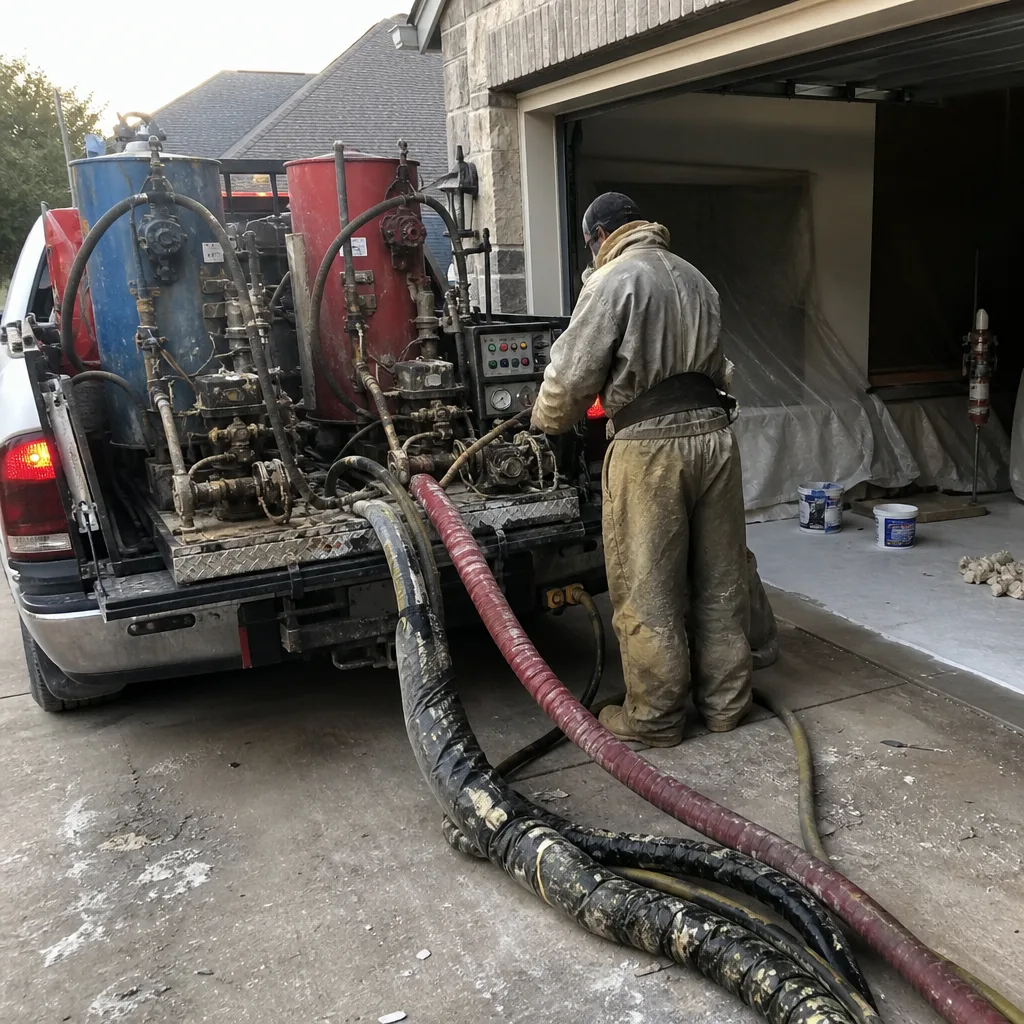
This is the fix for Lakeway’s hidden problem. Dense-pack means forcing cellulose or fiberglass into closed wall or ceiling cavities at high density so it doesn’t settle and creates an air barrier. For walkout lower-level ceilings - the exposed floor-ceiling assembly between your main floor and the daylight basement - we access through soffits, exterior siding, or interior drywall as needed, then dense-pack the cavity full. Most Lakeway hillside homes need this in the lower level plus top-up work above. Combined dense-pack and blown-in jobs typically run $3,500-$6,500 depending on access complexity and square footage.
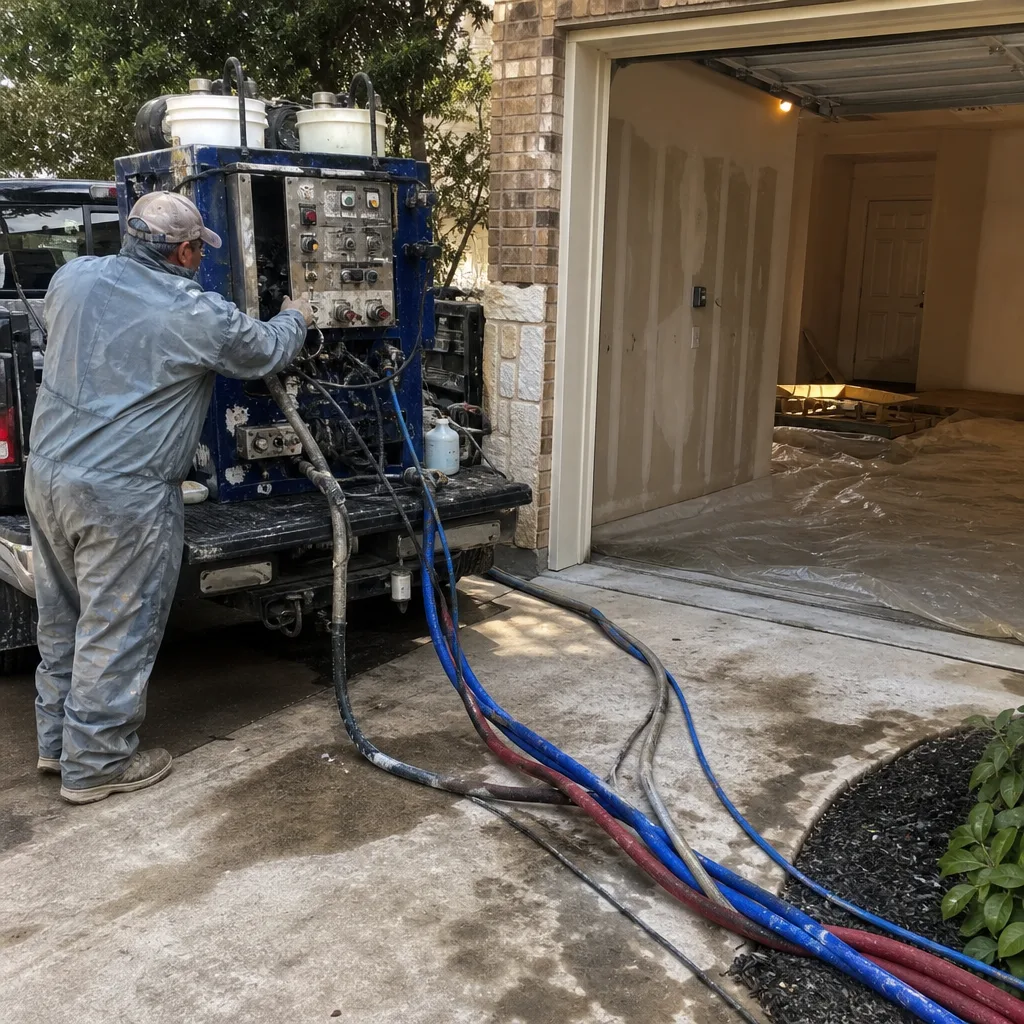
Blown-In Top-Up
If your attic has existing insulation that’s settled or compressed but is otherwise in good condition, a blown-in top-up restores R-value without full removal. In Lakeway, we see this frequently in homes built 2005-2015 where the original blown-in has compressed to half its labeled depth. A top-up with Owens Corning fiberglass or GreenFiber cellulose, including air sealing of any new penetrations, runs $1,500-$2,800 for most Lakeway attics. We measure what’s there, tell you exactly what you’ll gain, and put it in writing before we start.
What happens when you call
- 1
A real person answersNo phone trees - you reach a local pro.
- 2
You get an upfront price rangeHonest numbers before anyone is dispatched.
- 3
A background-checked tech heads outLicensed & insured, dispatched right away.
- 4
You approve before work beginsNothing starts until you say go.
Trusted Brands We Service in Lakeway
We source materials from Owens Corning, Johns Manville, Knauf, Rockwool, CertainTeed, Icynene, Demilec, and GreenFiber - no proprietary lock-in, so we specify what’s right for your assembly rather than what a manufacturer requires us to sell. For Lakeway’s humidity and temperature swings, that often means Rockwool or CertainTeed in cathedral assemblies where fire resistance and moisture tolerance matter, and Demilec open-cell foam for targeted air sealing in complex bypasses. We stock common materials locally for fast turnaround, and our crews carry multiple product lines so the job isn’t delayed waiting on a single-source delivery.
Common Blown-In Insulation Problems We See in Lakeway Homes
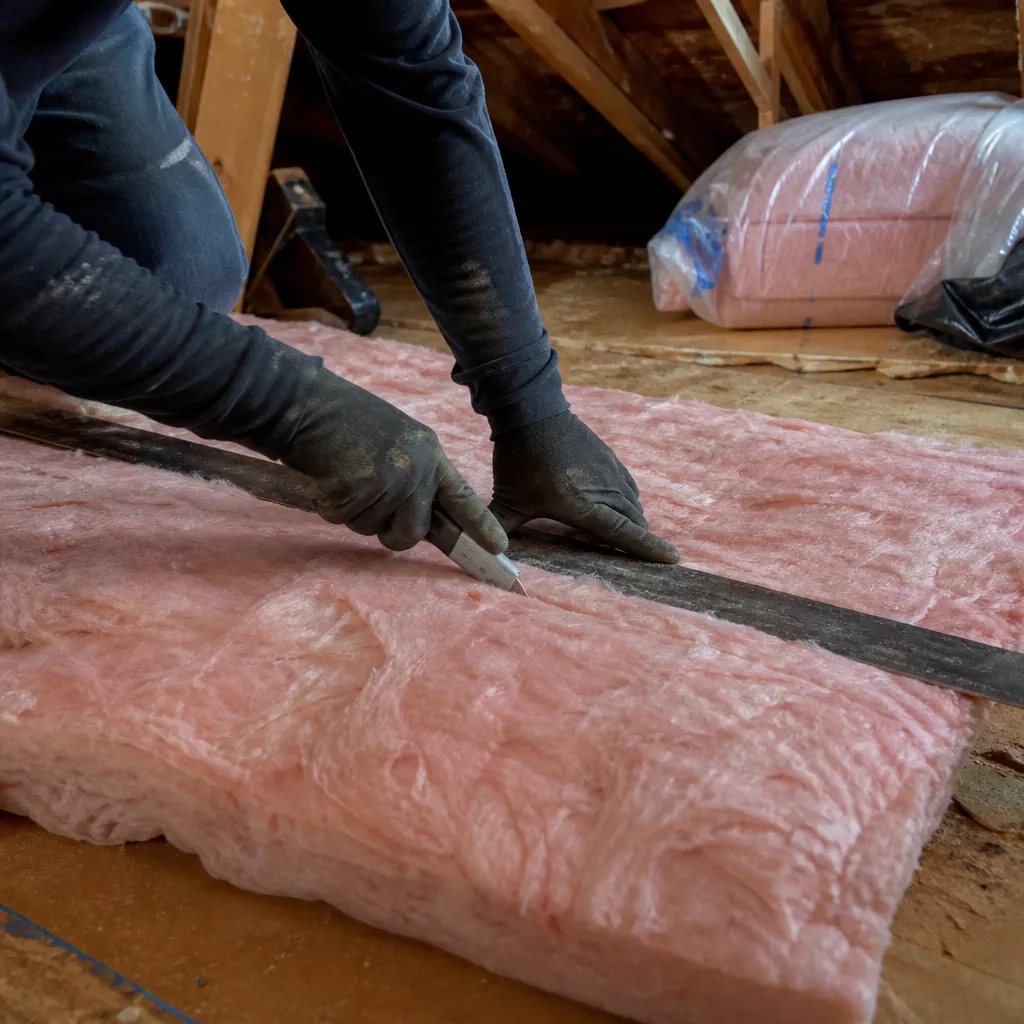
- Missing or thin insulation over walkout lower-level ceilings. Builders in the 1990s-2000s frequently left these assemblies bare because they weren’t visible from the attic hatch. The first sign is usually an electric bill for the lower floor that dwarfs the rest of the house. We dense-pack these cavities after mapping the thermal boundary with an infrared camera.
- Compressed or settled batt in vaulted cathedral assemblies. Lakeway’s Hill Country custom homes feature dramatic great-room ceilings that original builders insulated with fiberglass batt, which has compressed over 15-25 years and now creates thermal bridging along complex rooflines. Blown-in fiberglass restores consistent coverage without the gaps.
- Vapor and air-sealing failures from Lake Travis humidity plus 150°F+ attic temperatures. R-value alone cannot fix this. Lakeway’s position on the lake introduces persistent summer humidity that Hill Country communities farther west don’t face, and the 2021 Uri freeze demonstrated that homes optimized only for heat gain have no thermal buffer against sustained cold. We seal first, then insulate, and we document the blower-door improvement.
- Multi-level thermal bypasses on limestone hillside lots. Steep grades create insulation gaps where floor assemblies meet foundation walls, and where chase ways for plumbing and electrical run between levels. A standard attic-only audit misses these entirely. We inspect the full envelope, including the lower level, on every Lakeway assessment.
Pricing for Blown-In Insulation in Lakeway, TX
| Service | Typical Range in Lakeway | What Affects Cost |
|---|---|---|
| Attic blown-in cellulose or fiberglass | $1,800 - $4,500 | Attic square footage, access difficulty, air-sealing extent |
| Cathedral/vaulted ceiling blown-in | $1,800 - $3,200 | Roof complexity, existing material removal, working height |
| Dense-pack wall or lower-level ceiling | $2,500 - $4,200 | Cavity access method, square footage, material type |
| Combined attic + dense-pack job | $3,500 - $6,500 | Home size, levels served, prep work required |
| Blown-in top-up over existing | $1,500 - $2,800 | Current depth, desired R-value, air-sealing needs |
These ranges reflect Lakeway’s market specifically - custom homes on larger lots with complex access, not standard tract construction. Every job begins with a written price before any work starts, per Haven Standard Clause 1. No exceptions. Bring us a competing quote and we’ll provide a free second opinion, line by line. Call (737) 259-7528 to schedule your assessment.
We Also Serve Cities Near Lakeway
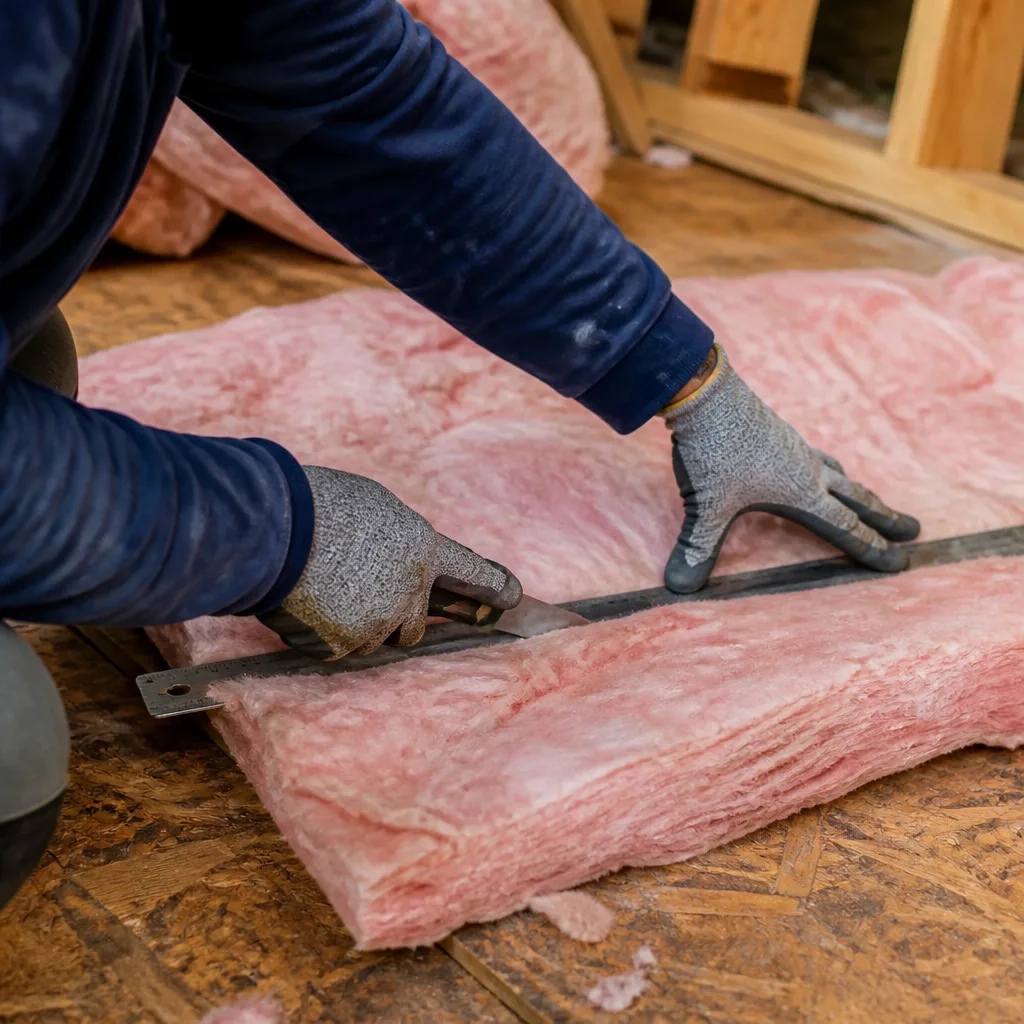
Our crews work throughout the northern Austin metro, including Lakeway, Round Rock, Brushy Creek, Wells Branch, and Pflugerville. If you’re outside Lakeway city limits but within the Lake Travis or northern Travis County area, the same response times and pricing structure apply. Dispatch coordinates from our Austin office for the full service region.
Serving Lakeway, TX - Our Local Coverage Area
We’re based in the Lakeway area and know this community well. Use the map below to see our service coverage - if you’re nearby, we can almost certainly help.
FAQs - Blown-In Insulation in Lakeway
The daylight-basement or walkout lower-level ceiling was likely left uninsulated during original construction because it wasn’t visible from the attic hatch. Builders in the 1990s-2000s routinely skipped this assembly. We map it with infrared, then dense-pack the cavity with cellulose or fiberglass to create a proper thermal boundary. Call (737) 259-7528 for a free assessment - we’ll show you exactly where the gap is before we quote.
Yes, blown-in fiberglass is specifically suited to cathedral assemblies where compressed original batt has created thermal bridging. We access through the ridge or remove select roof decking, blow fresh material to full depth, and verify coverage with thermal imaging. Most Lakeway cathedral jobs run $1,800-$3,200 with documented before-and-after blower-door numbers.
It changes the sequence, not just the material. Lakeway’s persistent summer humidity means vapor management and air sealing are as critical as R-value. We seal all top plates, can lights, and penetrations before adding insulation, and we specify moisture-tolerant materials like Rockwool or CertainTeed in vulnerable assemblies. The blower-door test confirms the air barrier is intact before we leave.
Properly sealed and insulated homes maintain livable temperatures hours longer during outages. The 2021 freeze showed that Lakeway homes optimized only for heat gain had almost no thermal buffer against sustained cold. Air sealing plus adequate R-value slows heat loss dramatically - it’s not a generator, but it buys you critical time. We document the improvement with before-and-after blower-door readings so you know exactly what you have.
Usually yes, but the access points are small and repairable. We typically enter through soffits, exterior siding, or interior drywall in closets or utility areas where patching is invisible. We photograph every access point, repair before we leave, and include the photo record in your documentation. The alternative - leaving the ceiling uninsulated - costs far more in energy bills over time. Call (737) 259-7528 and we’ll walk you through the exact access plan for your home.
We were called to a custom Hill Country home off Lakeway Boulevard where the walkout lower-level game room stayed 8-10°F hotter than the rest of the house and the attic was already full of settled batt. We dense-packed the exposed lower-level ceiling with GreenFiber cellulose and blew Owens Corning fiberglass over the vaulted great-room cathedral section, and the infrared scan afterward showed the lower floor finally holding within a couple degrees of the main level. The homeowner’s documentation included the blower-door readings, the photo record, and the written warranty. That’s how every job closes.
Written by Wes Okafor, Owner at Envelope Insulation Co., operating under The Haven Standard since 2016. Call (737) 259-7528 for your free written estimate on blown-in insulation in Lakeway.