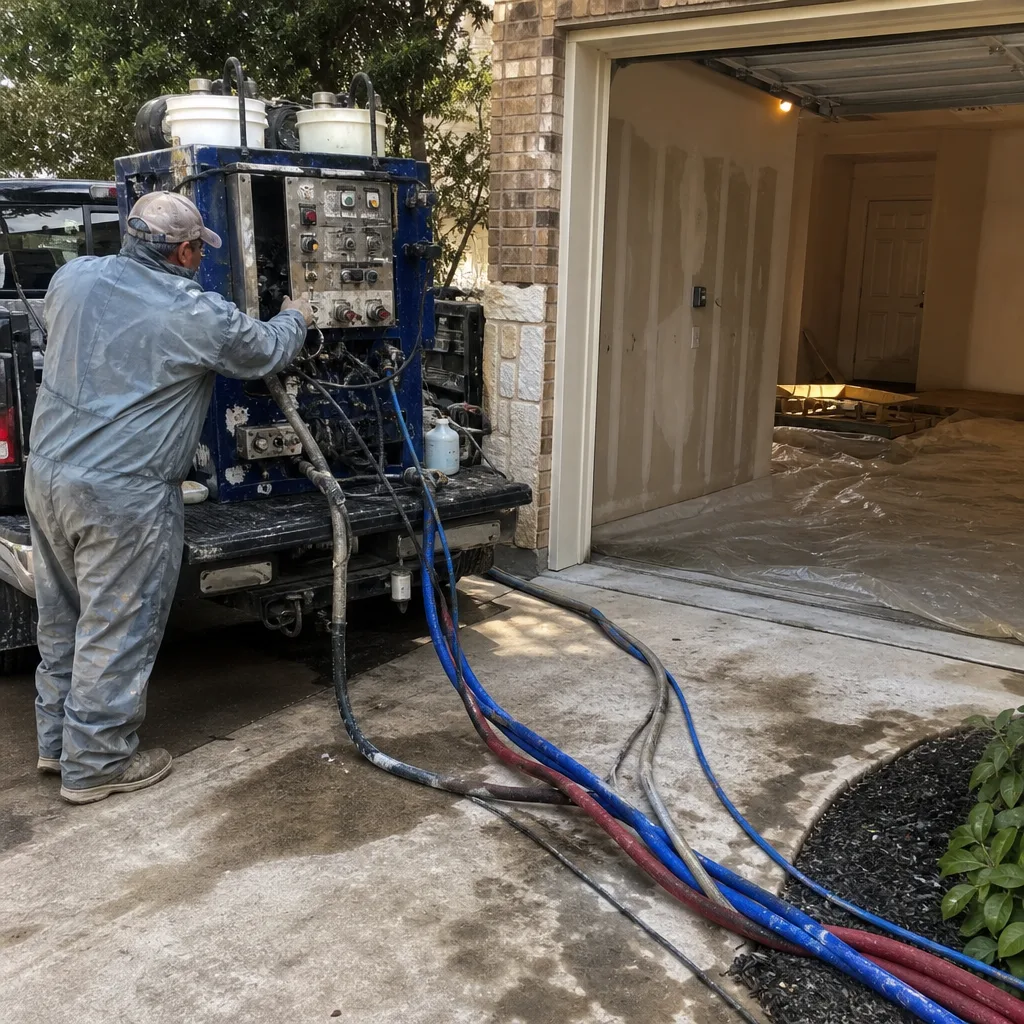
Fast, Reliable Spray Foam Insulation Across Taylor
Spray foam insulation in Taylor, TX typically costs $1.80-$3.40 per board foot for open-cell and $3.20-$5.50 for closed-cell, with most residential jobs running $2,800-$7,500 depending on cavity size and access. We’re usually on-site in Taylor within 24-48 hours of your call, and same-day assessments are common for urgent cases like post-freeze pipe damage or failed inspections in new construction.
We know Taylor’s housing stock because we’ve worked in it. Our crews have sprayed foam in balloon-frame cottages on Talbot Street, sealed rim joists in post-war ranch homes near Murphy Park, and insulated metal building shells along the SH-79 corridor. Dispatch and scheduling run through our Austin office, but the crews serving Taylor live in and around Williamson County. They understand what 100°F+ Blackland Prairie summers do to an unsealed attic, and what happens when a 1912 wall cavity has no fire blocking. Call (737) 259-7528 for a written price before any work starts.
Why Topside Attic Insulation Round Rock Is Taylor’s Preferred Spray Foam Insulation Company
We’ve sealed and insulated over 9,000 homes since 2016, and a growing share of them are in Taylor. The reviews that matter to us are the specific ones: homeowners who can cite their before-and-after blower-door numbers, or who noticed their HVAC cycling less after we foamed the roof deck. We don’t chase star averages; we chase documented results.
Response time to Taylor averages same-day or next-day for assessments. For spray foam jobs, material cure times mean scheduling matters, so we coordinate crew dispatch to minimize your downtime. We’ve worked with Taylor’s building department on permit requirements for both historic retrofits and new commercial shell insulation, and we know which inspectors want fire-blocking documentation before they’ll sign off on foam in balloon-frame construction.
Our Spray Foam Insulation in Taylor work follows the same protocol we use everywhere: air seal first, then insulate. In Taylor, that sequence matters more than most places. The balloon-frame cottages in the historic core have continuous vertical wall cavities that function as chimneys until they’re blocked and foamed. New subdivisions off SH-95 often have top plates and can lights that were never sealed before the drywall went up. We fix the leaks, then we add the foam, then we test.
Our Spray Foam Insulation Services in Taylor
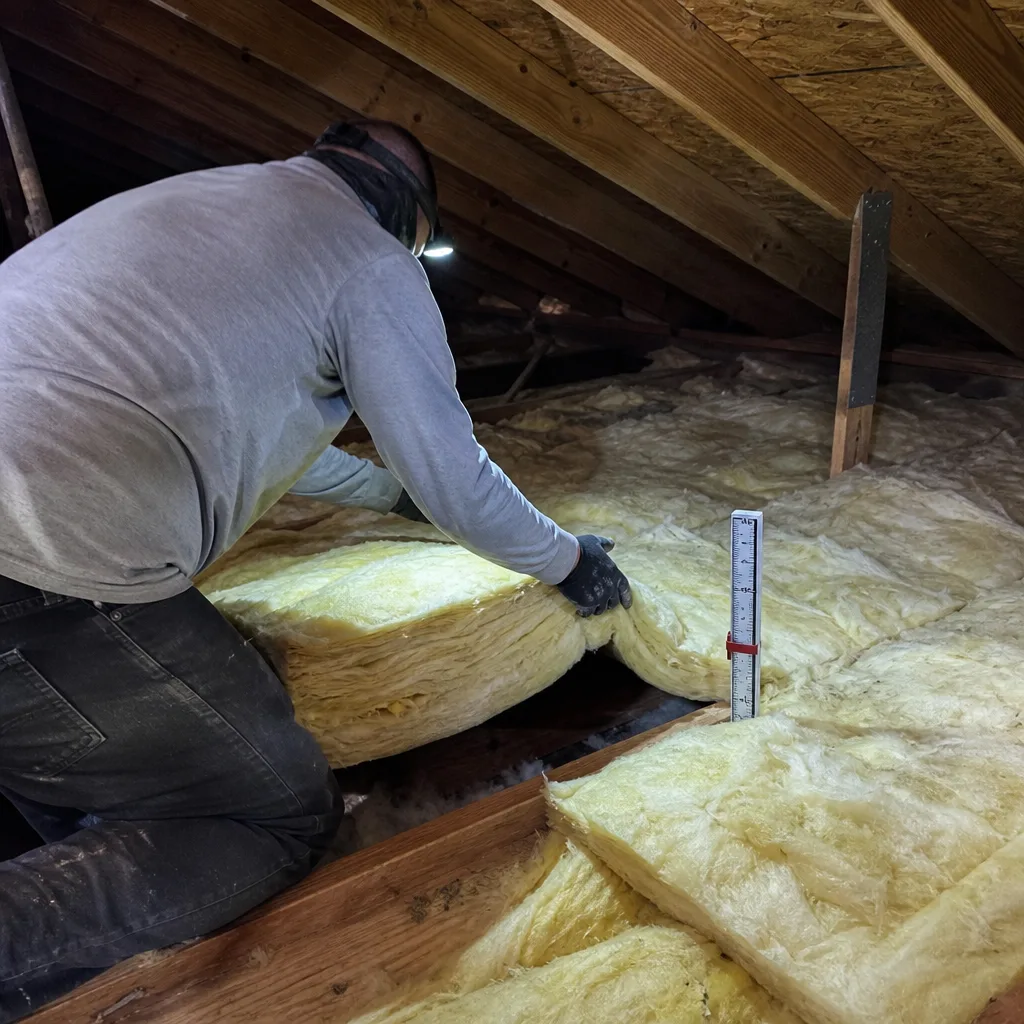
Closed-Cell Spray Foam
Closed-cell spray foam is our go-to for Taylor’s historic homes and any application where moisture, structure, or R-value per inch matters. At roughly R-6.5 per inch, it packs more thermal resistance into tight cavities than any alternative. In Taylor, we use it most often for rim joist sealing in crawlspaces, exterior wall fills in balloon-frame cottages where cavity depth is limited, and any roof deck where the attic will remain conditioned. The foam also adds structural rigidity, which matters in older Taylor homes where framing has settled or sagged. We source closed-cell products from Johns Manville and Demilec, spec’d to the cavity and climate load.
Open-Cell Spray Foam
Open-cell runs lighter and less expensive at about R-3.6 per inch, and its vapor-permeable nature makes it appropriate for certain attic applications in Taylor where moisture needs to dry to the interior. We use it in pitched roof decks with proper venting strategy, and in above-grade walls where cavity depth isn’t constrained. The key in Taylor’s new construction is verifying thickness: we’ve inspected homes in subdivisions along the SH-79 corridor where open-cell was sprayed thin to meet framing schedules, leaving effective R-values far below code. Our crews measure every lift with a depth gauge and document it.
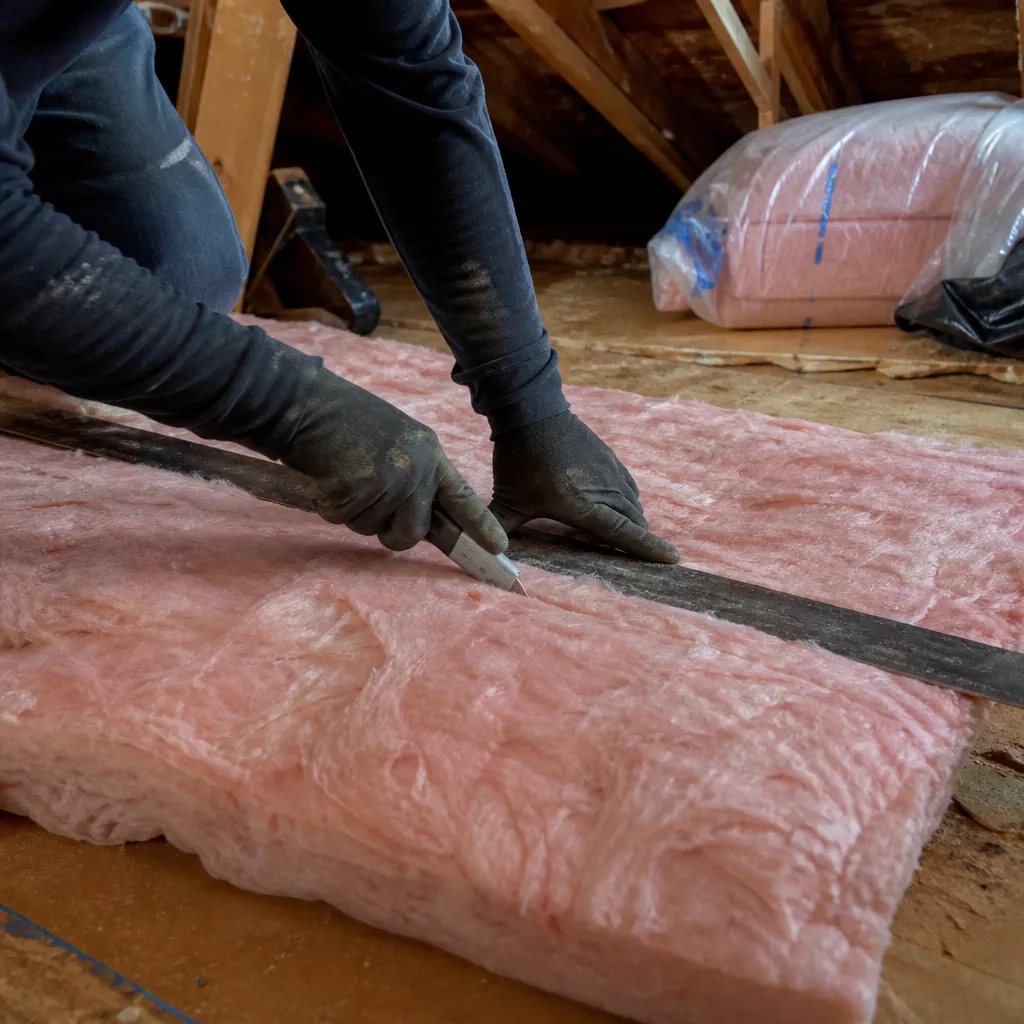
Rim Joist Spray Foam
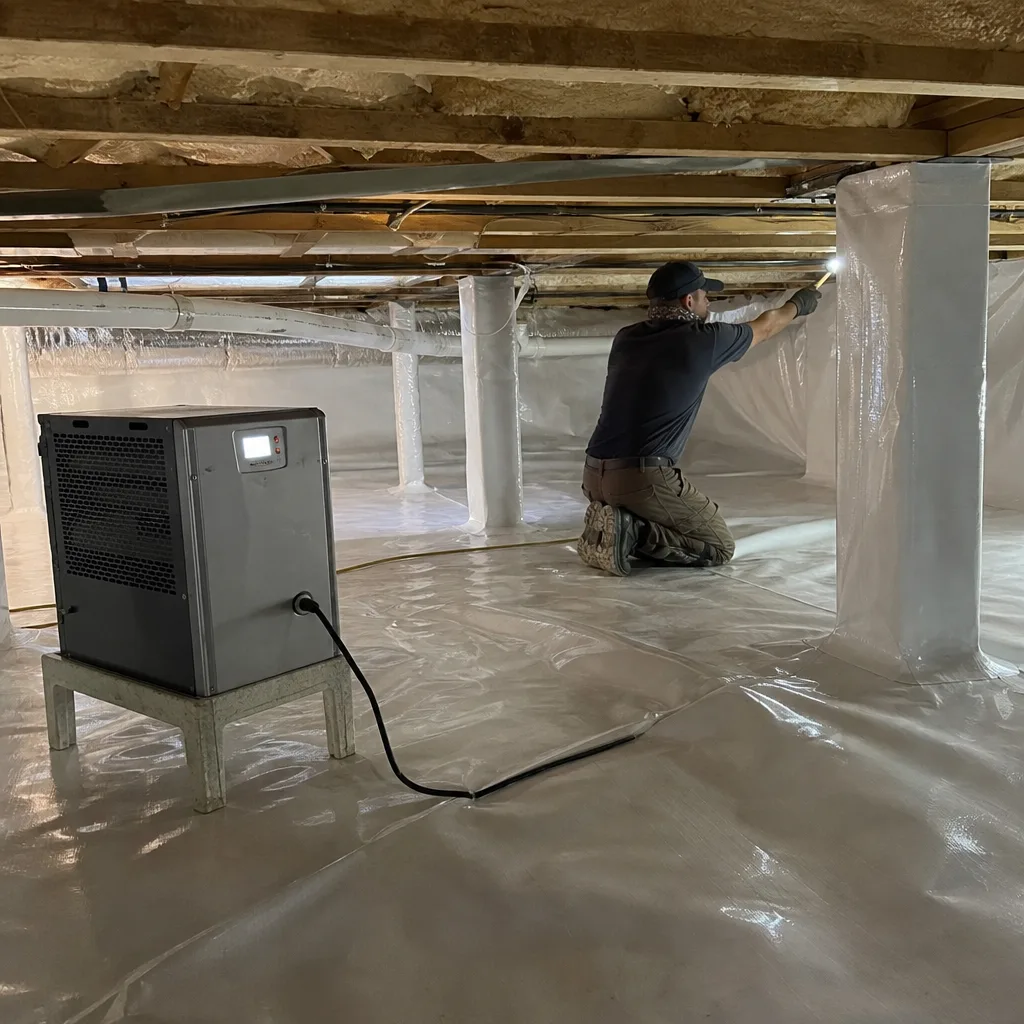
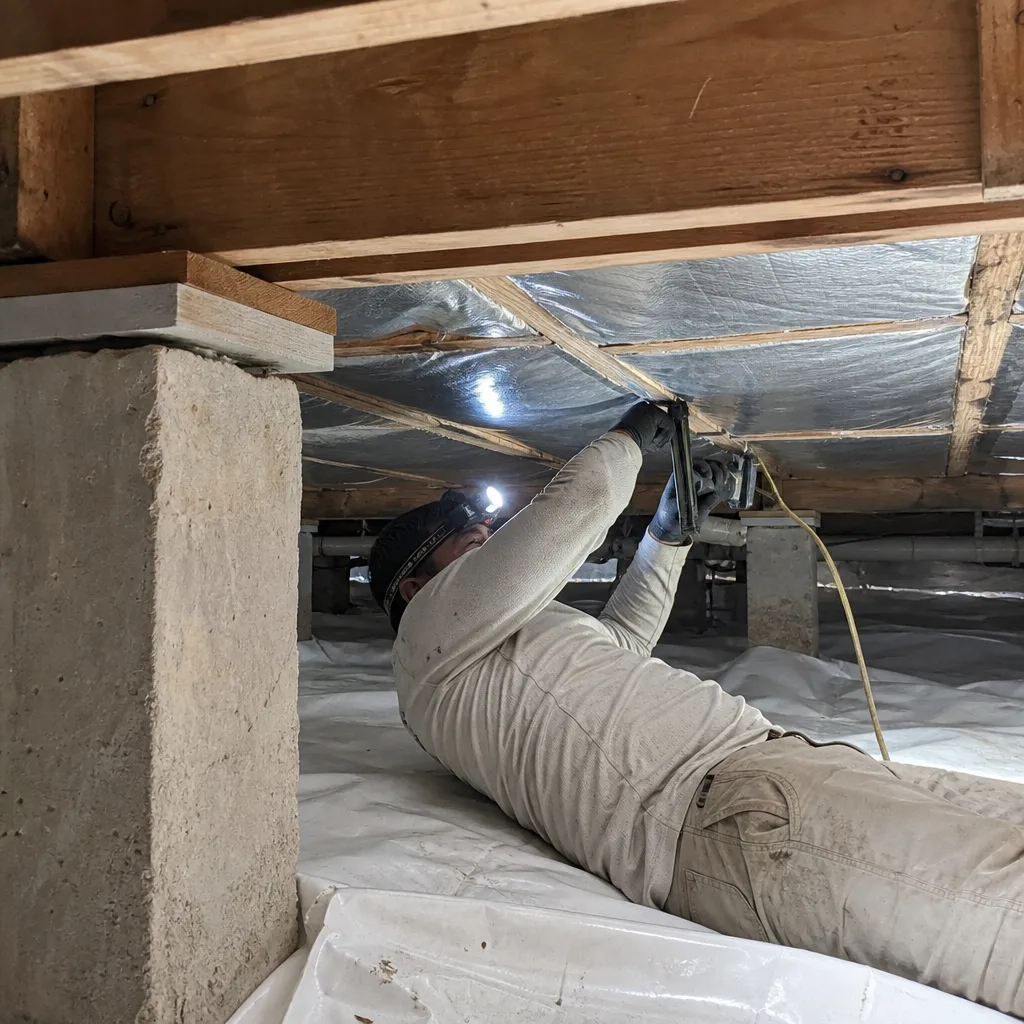
The rim joist is where your foundation meets your first floor, and in Taylor it’s often the leakiest part of the building envelope. In historic homes with pier-and-beam or block foundations, unsealed rim joists pull humid summer air into the floor system and let conditioned air escape year-round. We spray closed-cell foam across the full rim joist surface, extending to the sill plate and subfloor intersection. In the Talbot Street cottage we referenced, rim joist foam was the first step in breaking the stack effect that had frozen pipes in two walls. Every rim joist job gets a photo record and, where accessible, a post-seal visual inspection.
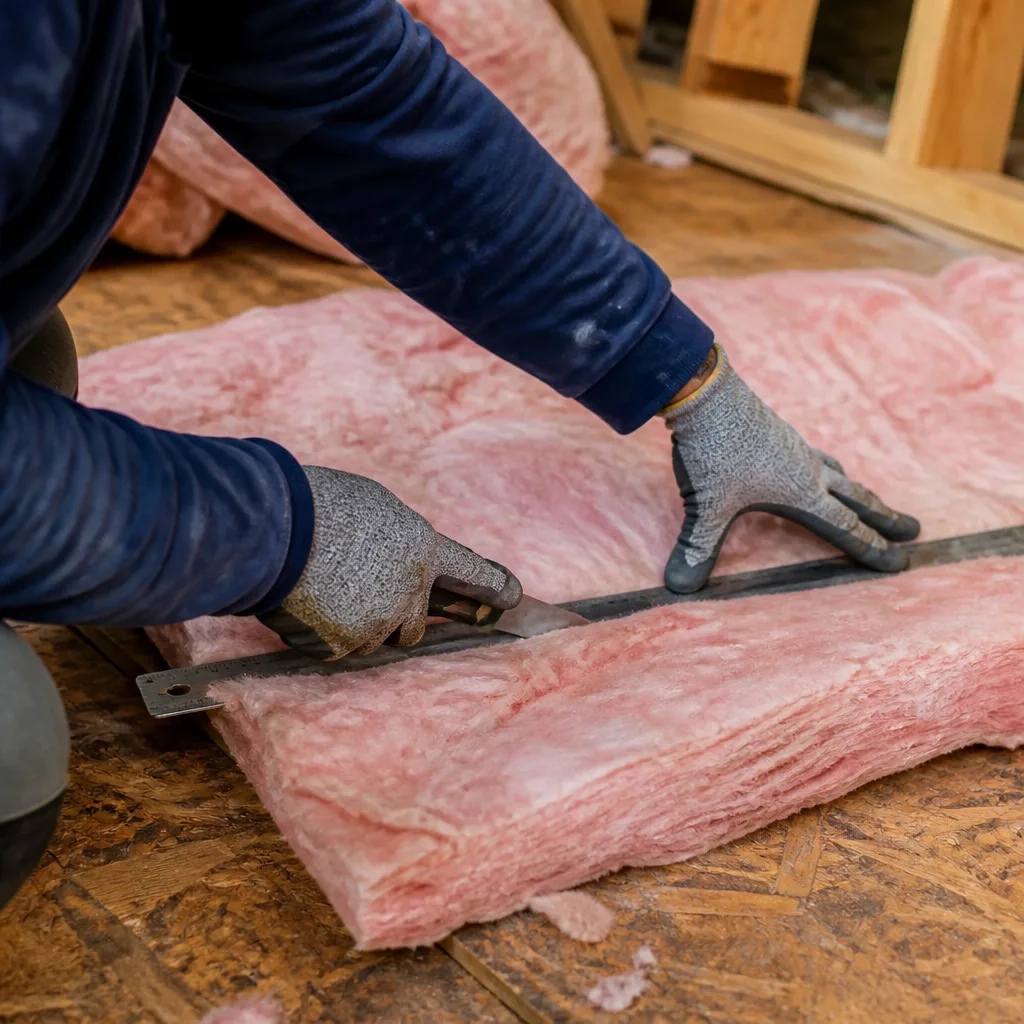
Garage Ceiling Spray Foam
Garage ceilings in Taylor are often overlooked thermal bridges, especially in homes where the garage sits under a bonus room or bedroom. We spray open-cell or closed-cell foam depending on whether the garage is conditioned and what fire separation is required. In newer Taylor subdivisions with attached three-car garages, this is one of the most cost-effective comfort upgrades we offer. The foam blocks garage fumes, reduces noise transfer, and stabilizes temperature in the rooms above.
Spray Foam Roof Deck
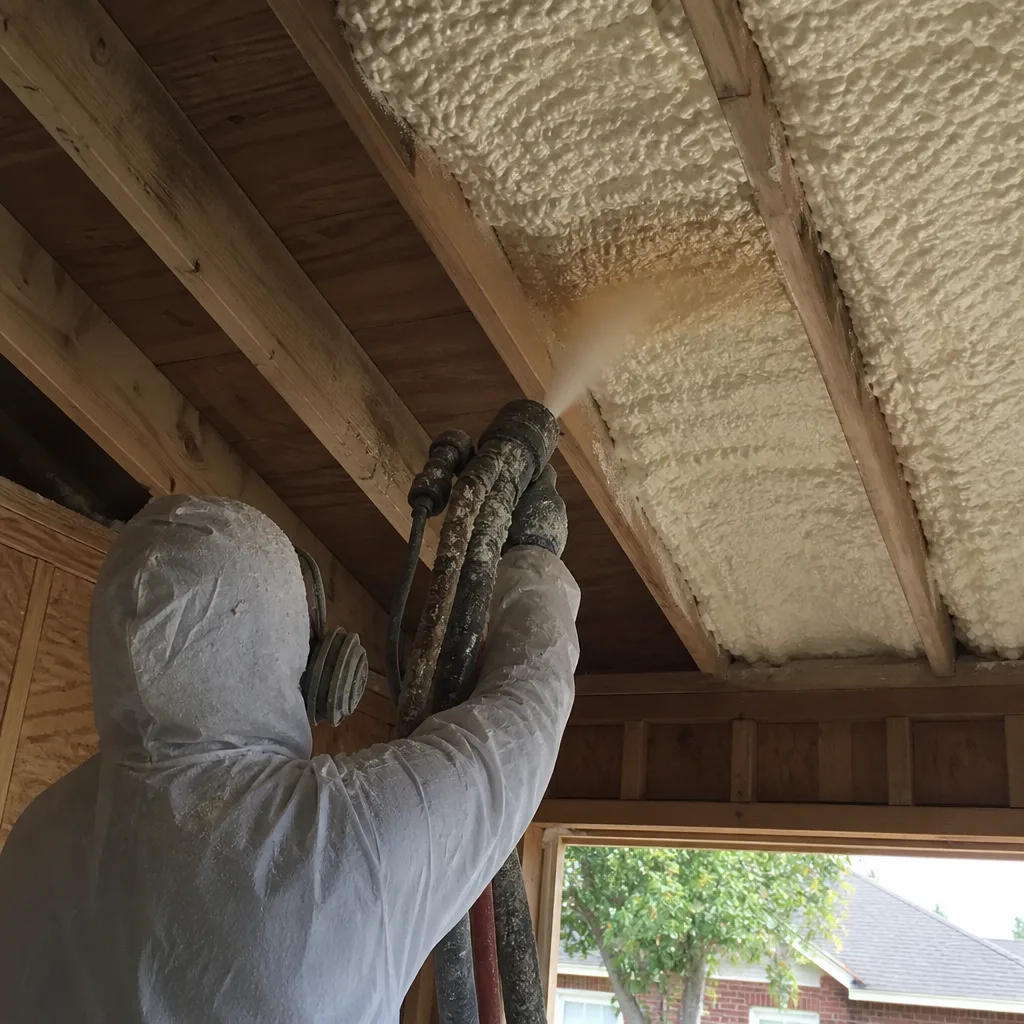
Spray foaming the roof deck turns your attic into a conditioned space, which is often the right move in Taylor’s climate. With summer attic temperatures hitting 150-160°F, moving the thermal boundary from the attic floor to the roof deck reduces duct losses and HVAC load significantly. We use closed-cell foam at the roof deck in most Taylor applications, with open-cell as an alternative where weight or budget is a constraint. Every roof deck job includes a pre-seal assessment of top plates, chimney chases, and penetrations, because foam over a leaky deck is foam wasted.
What happens when you call
- 1
A real person answersNo phone trees - you reach a local pro.
- 2
You get an upfront price rangeHonest numbers before anyone is dispatched.
- 3
A background-checked tech heads outLicensed & insured, dispatched right away.
- 4
You approve before work beginsNothing starts until you say go.
Trusted Brands We Service in Taylor
We don’t lock you into proprietary products. Our materials come from Johns Manville, Knauf, Rockwool, CertainTeed, and other established manufacturers, chosen for the specific application rather than a distributor relationship. For Taylor jobs, we stock common closed-cell and open-cell formulations locally to avoid supply-chain delays that can push your project. If your architect or builder has specified a particular product for a Taylor commercial shell or historic retrofit, we’ll source and install it to spec, with the same written price and documentation we provide on every job.
Common Spray Foam Insulation Problems We See in Taylor Homes
- Balloon-frame cavities without fire blocking. In Taylor’s historic core, pre-1940 homes have continuous wall studs from foundation to roof. Spray foam applied without first installing fire blocking can escape downward through these open channels, leaving voids that look filled on inspection but aren’t. We block every bay before we foam.
- Under-thickness open-cell in new construction. Builders on aggressive schedules in Taylor’s SH-79 and SH-95 subdivisions sometimes spray open-cell below labeled thickness to keep crews moving. The result is an R-value shortfall that homeowners don’t discover until their first summer electric bill arrives. We measure and document every lift.
- Foam detachment from metal building purlins. The steel warehouses rising near the Samsung fab site expand and contract dramatically in Taylor’s 100°F+ heat cycles. Spray foam spec’d without accounting for this movement pulls away from purlins and creates thermal breaks. We use formulations and application techniques designed for metal substrate movement.
- Attic moisture from skipped air sealing. Whether it’s a 1920s cottage near Main Street or a 2023 build off FM 112, spraying foam over unsealed can lights and top plates traps moisture in the attic assembly. We seal first, test with a blower door, then foam.
Pricing for Spray Foam Insulation in Taylor, TX
| Application | Typical Range in Taylor |
|---|---|
| Open-cell spray foam (attic, per board foot) | $1.80 - $3.40 |
| Closed-cell spray foam (rim joist/walls, per board foot) | $3.20 - $5.50 |
| Typical attic roof deck (1,500 sq ft home) | $3,200 - $5,800 |
| Rim joist only (crawlspace/basement) | $1,400 - $2,600 |
| Historic balloon-frame wall fill (per wall) | $2,800 - $4,500 |
| Metal building shell (per sq ft, large commercial) | $1.10 - $1.85 |
What moves your price within these ranges: cavity depth and square footage, access difficulty (steep roof pitches, tight crawlspaces), whether fire blocking or old insulation removal is needed first, and whether blower-door testing is included. We provide a written price before any work starts, always, with a flat scope and no add-on surprises. Bring us any competing written estimate for a Free Second Opinion. Call (737) 259-7528 for your specific number.
We Also Serve Cities Near Taylor
Our crews work throughout Williamson County and north Travis County, including Hutto, Pflugerville, Round Rock, and Georgetown. Each city has different housing stock and code enforcement practices, and we adjust our approach accordingly. If you’re outside Taylor city limits but in the surrounding area, the same crew, same materials, and same written-price protocol apply. Our Spray Foam Insulation team coordinates scheduling from our Austin office to keep response times short across the full service area.
Serving Taylor, TX - Our Local Coverage Area
We’re based in the Taylor area and know this community well. Use the map below to see our service coverage - if you’re nearby, we can almost certainly help.
FAQs - Spray Foam Insulation in Taylor
Blown-in insulation requires a contained cavity, and Taylor’s pre-1940 balloon-frame homes don’t have one. Their wall studs run continuous from foundation to roof with no fire blocking, so blown material settles or escapes entirely. Spray foam, properly applied after fire blocking is installed, adheres to the framing and creates an air barrier that blown insulation cannot. Call (737) 259-7528 for a Free Second Opinion if another contractor has quoted blown-in for your historic Taylor home.
Yes, when it’s part of a systematic approach. In the Talbot Street cottage we worked on, closed-cell spray foam at the rim joist and foamed blocking in each balloon bay broke the stack effect that was pulling sub-freezing air into the walls. The pipes held the following winter, and heating costs dropped. Foam alone won’t save poorly routed plumbing, but sealing the air leaks that deliver cold air to pipe locations is often the critical fix. We’ll assess your specific routing and cavity configuration.
Closed-cell is denser, R-6.5 per inch, and moisture-resistant; we use it at roof decks that will be conditioned spaces and anywhere structure or moisture is a concern. Open-cell is R-3.6 per inch, lighter, and vapor-permeable; we use it in vented attic applications where drying to the interior is desired. In Taylor’s climate, with attic temperatures exceeding 150°F, closed-cell at the roof deck is usually the better long-term investment for homes with ductwork in the attic. We’ll recommend based on your roof geometry and HVAC location.
It holds up well when spec’d for thermal movement. Steel building shells in Taylor experience significant expansion and contraction across 100°F+ daily and seasonal temperature swings. Standard residential foam formulations can pull away from purlins. We use commercial-grade closed-cell products with higher elongation properties and apply them in lifts that accommodate substrate movement. We’ve insulated metal buildings to 50,000+ square feet on the SH-79 corridor, with photo-documented adhesion tests.
Not if the assembly is designed correctly. Moisture problems occur when foam is applied over air leaks that allow humid exterior air to reach cold surfaces, or when vapor drive isn’t managed at the assembly boundaries. In Taylor, we see this most often when foam is sprayed over unsealed can lights or chimney chases. Our protocol is seal first, foam second, verify with blower-door testing. Under Haven Standard, you get the before-and-after numbers in writing.
Key Takeaways for Taylor Homeowners
- Taylor’s housing split - historic balloon-frame cottages versus new fast-built subdivisions - demands different spray foam approaches in the same city.
- Air sealing is prerequisite, not optional; we block and seal before any foam goes in.
- Closed-cell foam is usually the right choice for Taylor’s historic homes, rim joists, and metal buildings.
- Every job gets a written price first, a Documented Photo Record, and applicable blower-door numbers.
- The 365-Day Done Right Promise applies to all completed work.
Ready to see what spray foam can do for your Taylor home or building? Call (737) 259-7528 for a free estimate with a written price before any work starts. A live person answers 24/7.
Written by Wes Okafor, Owner at Topside Attic Insulation Round Rock, serving Taylor since 2016.
Spray Foam Insulation in Nearby Areas