
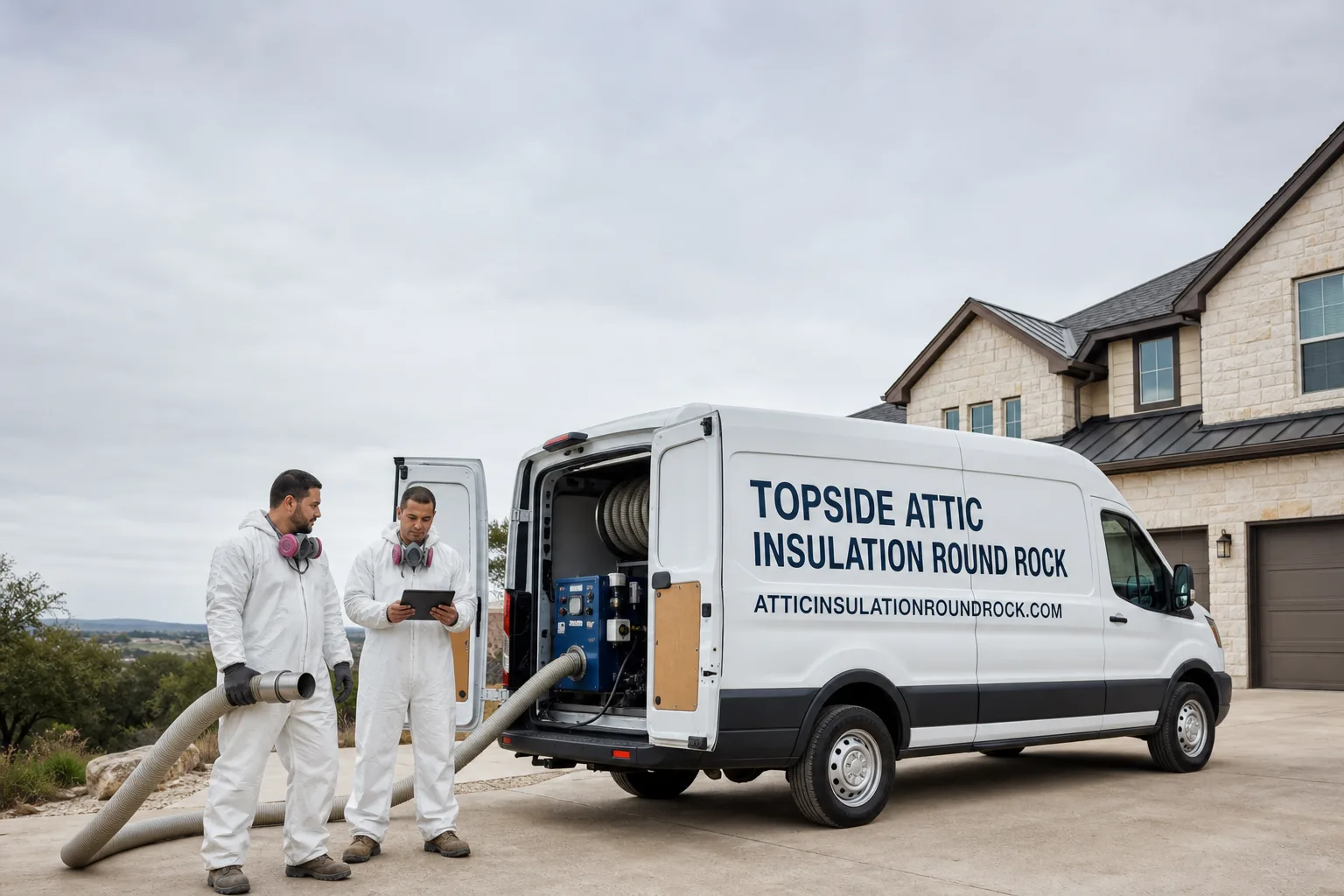
How Much Does Attic Cleaning & Rodent Proofing Cost in Round Rock?
Attic cleaning and rodent proofing in Round Rock, TX typically runs between $1,200 and $4,800 for a standard single-story home, depending on the size of the attic, the severity of contamination, and how many entry points need to be sealed. Most jobs we see in Round Rock fall in the $1,800 to $3,200 range – that covers full insulation removal, debris and dropping cleanup, sanitization, and a complete rodent exclusion seal of the roofline. Get a written price before any work starts: under Haven Standard Clause 1, you receive a flat price and written scope before anyone enters your attic.
Attic Cleaning & Rodent Proofing Cost Breakdown (2026)
Attic cleaning and rodent proofing aren’t one service – they’re a sequence of tasks, each priced separately but almost always performed together. Breaking the line items apart is the only way to compare competing quotes honestly. Below is what each component typically costs in the Round Rock market as of 2026.
| Service Component | Typical Cost Range (Round Rock, TX) | Notes |
|---|---|---|
| Contaminated insulation removal | $600 – $1,800 | Priced per bag or per square foot; most 1,500 sq ft attics need 25-40 bags |
| Attic debris & dropping cleanup | $200 – $600 | Increases with nesting material volume; worst cases we see are in older Round Rock neighborhoods built before 1995 |
| Sanitization & odor treatment | $150 – $450 | Enzyme-based treatment kills biological residue; required before new insulation goes in |
| Rodent exclusion / entry-point sealing | $400 – $1,200 | Covers sealing of soffits, fascia gaps, pipe penetrations, gable vents; price scales with number of access points found |
| Attic air sealing (top plates, can lights, penetrations) | $350 – $900 | Done before any new insulation is installed – this is a prerequisite at Envelope Insulation Co., not an add-on |
| New insulation installation (blown-in) | $900 – $2,200 | R-38 to R-60 per Texas energy code; most Round Rock homes built 2000-2015 need a top-up to meet current standards |
| Full project (cleaning + proofing + new insulation) | $1,800 – $4,800 | Most common scope for a 1,500-2,500 sq ft Round Rock home |
| Large home or heavy infestation surcharge | $500 – $1,500 added | Triggered by attics over 2,500 sq ft or severe contamination (e.g., long-term Norway rat colonies) |
What moves a job toward the lower end of those ranges: a smaller attic, a recent infestation caught early, and clean framing with few penetrations. What pushes it toward the top: an attic that hasn’t been inspected in a decade, heavy Norway rat or roof rat activity (both are common in Round Rock’s older Brushy Creek and Meadows of Brushy Creek neighborhoods), a lot of recessed lighting that was never air-sealed, or an attic built with complex hip-roof geometry that limits access.
One cost factor that surprises people: the number of rodent entry points found during inspection often doubles between the initial estimate and what the technician actually counts once they’re in the attic with a light. A quote based on “a few holes” that turns into 22 sealed penetrations is a common source of post-job disputes with contractors who price by the job rather than by written scope. Under Attic Cleaning & Rodent Proofing in Round Rock through Envelope Insulation Co., the inspection maps every entry point before the scope is written – not after.
What Affects Attic Cleaning & Rodent Proofing Pricing in Round Rock
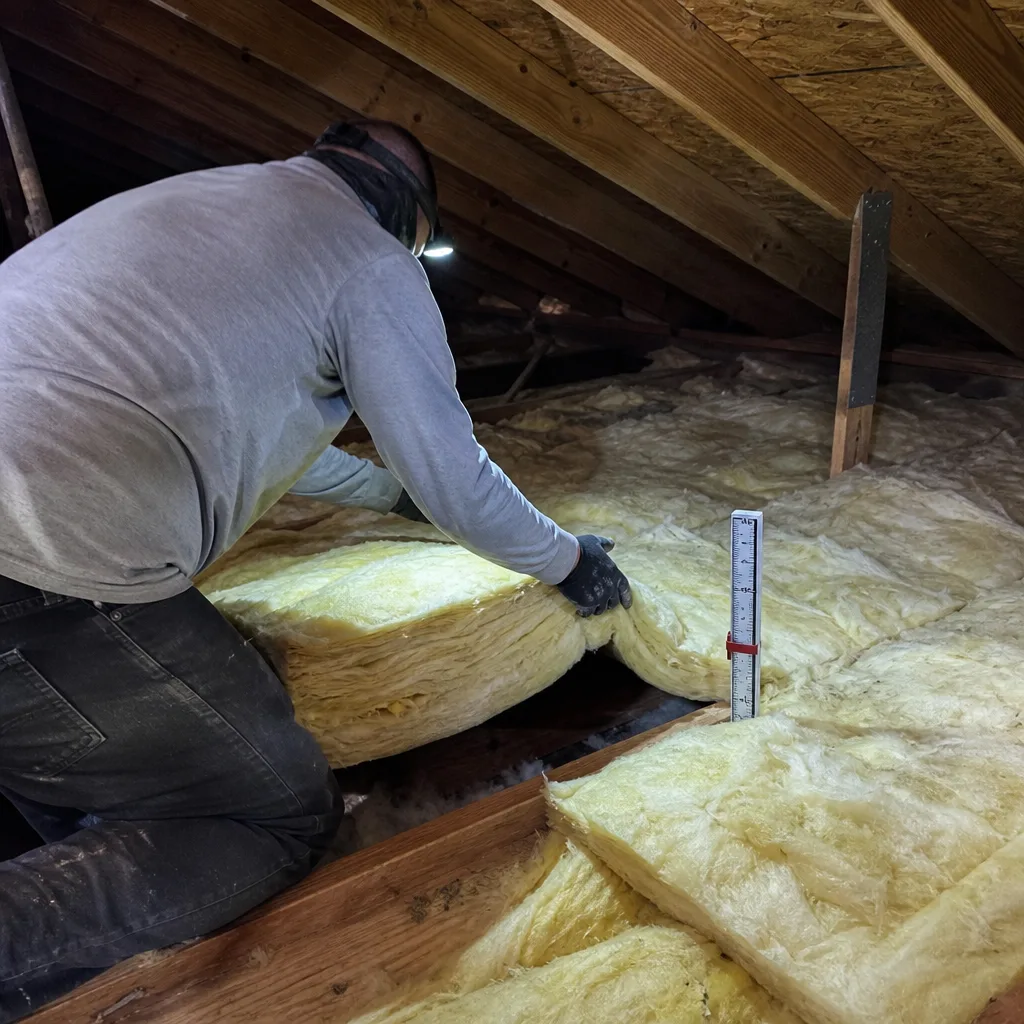
Several variables push the final number up or down. Here’s what we look at during every Round Rock inspection, and why each one matters to your price.
- Attic square footage and access difficulty. A 1,200 sq ft attic in a single-story ranch off Gattis School Road is a straightforward job. A 2,800 sq ft attic in a two-story home in Teravista with low-pitch sections and multiple access hatches takes significantly longer to clean and seal. Labor cost scales with how much of the attic a technician can actually reach – and Round Rock has a lot of homes with minimal knee-wall clearance near the eaves.
- Contamination severity and insulation depth. Rat droppings concentrated in one corner cost less to remediate than droppings distributed through 10 inches of blown-in fiberglass that has to be fully removed before the attic floor is visible. We measure contamination in bags removed – in Round Rock, a moderate infestation in a 1,800 sq ft attic typically yields 25 to 35 bags. A severe case can reach 50 or more.
- Number and type of entry points. Round Rock’s climate – hot summers, mild winters, and predictable rain cycles tied to the Williamson County weather pattern – means rodents push hard into attic spaces during both the summer heat (seeking shade) and the fall cool-down. Older homes built in the 1980s and early 1990s along the Old Settlers Boulevard corridor frequently have original fascia boards with gaps that have widened over decades. More gaps mean more material, more labor, and a higher exclusion cost.
- Whether air sealing is included or skipped. Some contractors clean the attic, seal the exterior, and walk away without touching the top plates, can light boots, or duct penetrations through the ceiling plane. That’s a problem: those interior gaps are how conditioned air leaks out of the living space and how any rodent that gets back in finds easy travel routes. At Envelope Insulation Co., air sealing of the attic floor happens before new insulation is installed on every job – it’s not priced separately as an upsell. The blower-door test – a pressurization reading that shows, in one number, how much air your building envelope is losing – is used on applicable jobs to document the before and after. This adds time and some cost, but it’s the step that actually changes your energy bills.
- Insulation replacement spec (R-value target). Texas Energy Code currently calls for R-38 minimum in new construction in the Round Rock area, but homes built before 2010 frequently have R-19 to R-25 after settling. If the goal is R-49 or R-60 – which is what Williamson County’s climate zone justifies for meaningful energy savings – the material cost increases. Blown-in insulation from brands like Owens Corning or GreenFiber is priced by the bag installed; more R-value means more bags.
- Pest control coordination. Attic cleaning and rodent proofing by an insulation contractor addresses the physical entry points and the contaminated material – it doesn’t include trapping or baiting. If there are live animals in the attic when we inspect, you’ll need a licensed wildlife removal company to clear them first. In Round Rock, that typically adds $150 to $500 to the project depending on the pest control provider and the number of traps required. We can usually refer you to someone who can coordinate scheduling so there’s no gap between clearance and our crew arriving.
How to Save on Attic Cleaning & Rodent Proofing in Round Rock
The single biggest money-saver is catching the problem early. A roof rat colony that’s been in a Round Rock attic for six months has done more structural and insulation damage than one that’s been there for three weeks. Homeowners who schedule an inspection the first time they hear scratching or find a dropping in the living space consistently spend less than those who wait until the smell reaches the hallway.
Beyond timing, here’s what actually reduces the total cost without cutting corners on the work itself.
- Request a line-item written scope before signing anything. A single-number quote (“$2,400 for everything”) gives you no way to compare what two contractors are actually proposing. A written scope that lists the square footage being cleaned, the number of entry points being sealed, the R-value of the insulation being installed, and the sanitization product being used lets you compare apples to apples. This is Haven Standard Clause 1 – and it protects you, not just us.
- Combine services when the attic is already open. If the attic is being cleaned and re-insulated anyway, adding attic air sealing at the same time costs a fraction of what it would cost as a standalone visit. The attic floor is already exposed, the crew is already there, and the air sealing of top plates and can lights – which is the step that actually changes blower-door numbers – takes a few hours, not a full day.
- Ask about Austin Energy or Oncor rebates. Round Rock sits in Oncor’s service territory for most neighborhoods. Oncor has historically offered rebates for insulation upgrades that meet certain R-value thresholds – the specific programs and amounts change year to year, so the right move is to ask your contractor which rebate applications they can support with documentation. A Documented Photo Record of R-value and installed footage is exactly what rebate applications require, and it’s included on every Envelope Insulation Co. job.
- Get a second opinion on any written estimate. If another contractor has given you a written quote and you’re not sure it’s fair or complete, bring it to us. We’ll read it with you at no charge – that’s the Free Second Opinion on Any Written Estimate that’s part of every engagement we take on. In Round Rock, we see a wide range of quote quality: some are thorough, some omit the air sealing step entirely, and some price the exclusion work by “job” rather than by documented entry point count.
- Don’t pay for rodent proofing that doesn’t include a re-entry guarantee. A sealed attic that gets re-infested in four months cost you full price twice. Ask every contractor what their warranty covers and get it in writing. The 365-Day Done Right Promise at Envelope Insulation Co. is written into every scope – if something we sealed wasn’t sealed correctly, we come back and make it right.
For a free written estimate on your Round Rock home, call (737) 259-7528. A live person answers – not voicemail, not a callback queue. You’ll get a named technician and a text when they’re on the way.
Round Rock-Specific Factors That Affect Attic Cleaning Costs
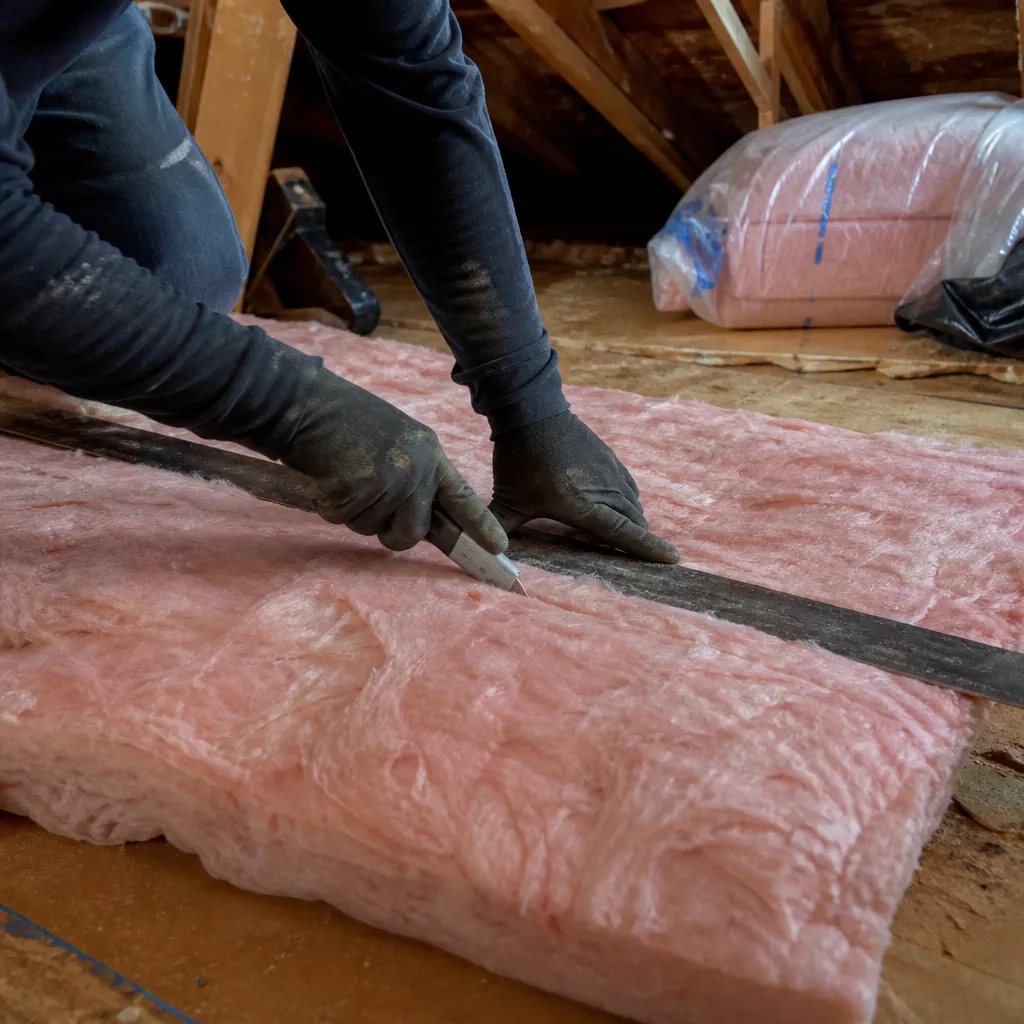
Round Rock’s housing stock is concentrated in a few distinct eras, and each era comes with its own attic problems.
Homes built in the 1980s and early 1990s in neighborhoods like Brushy Creek, Forest Creek, and the streets west of IH-35 near the old downtown core were constructed before radiant barriers were common in Texas and before modern energy codes required continuous soffit blocking. The result: soffit gaps that are now 30 to 40 years old and have widened with Texas heat expansion and contraction cycles. Roof rats, in particular, need an opening of about half an inch to enter – and these homes frequently have several along the fascia-to-soffit joint.
Homes built between 2000 and 2015 in master-planned communities like Teravista, Paloma Lake, and Stone Canyon tend to have better initial construction but higher attic complexity. More square footage, more hip-roof sections, and more can lights punched through the ceiling plane means more potential air leaks and more rodent entry points if any construction gaps were never addressed. We regularly find attics in this era where the insulation was blown in without the top plates or can light boots ever being sealed – a blower-door test on these homes often reads significantly higher than the homeowner expects.
Homes built after 2015 along the Hutto border and in newer Round Rock developments closer to the 45 Toll are generally better sealed to begin with, but they’re also the ones where an infestation is most often caught early because the homeowner is paying close attention. Early-stage jobs in this category are typically at the lower end of the cost range.
Climate plays a role too. Round Rock’s position in central Texas means attic temperatures regularly exceed 140 degrees Fahrenheit in July and August. Contaminated insulation that’s been baked at those temperatures for a summer holds odor compounds more deeply than insulation in a milder climate. That’s why enzyme-based sanitization – not just vacuuming and wiping – is a necessary step before new insulation goes in, and it’s priced into every scope we write.
What the Job Actually Looks Like, Start to Finish
Understanding the sequence helps you evaluate what any contractor is proposing – and whether they’re skipping steps.
A full attic cleaning and rodent proofing job in Round Rock follows this order:
- Inspection and entry-point mapping. The technician photographs every visible entry point, measures the attic, assesses contamination depth, and documents the existing insulation R-value. You receive a written scope and flat price before any work starts.
- Live animal clearance (if needed). If active rodents are present, trapping or wildlife removal happens first – before the attic is opened for cleaning. This is typically handled by a coordinated pest control provider and is scheduled before our crew arrives.
- Contaminated insulation removal. Blown-in or batt insulation that shows contamination – droppings, urine saturation, nesting material, or compromised R-value from compaction – is vacuumed out and bagged. The attic floor framing is fully exposed when this step is complete.
- Debris and nesting cleanup. Any remaining nesting material, droppings, and debris is hand-removed. The attic floor, rafters, and decking are cleared.
- Sanitization. Enzyme-based treatment is applied to the attic floor framing, decking, and any surfaces that show biological contamination. It needs time to work before the next step begins.
- Attic air sealing. Top plates – the framing members between the ceiling drywall and the attic floor – are sealed with fire-rated foam or caulk. Recessed can light boots, plumbing penetrations, duct boots, and electrical chases are all sealed. This step is completed before any new insulation is installed. At Envelope Insulation Co., this is a prerequisite, not an upsell: we will not blow insulation over an unsealed attic floor.
- Rodent exclusion sealing. Every entry point mapped during inspection is sealed with appropriate material – galvanized hardware cloth, copper mesh, or fire-rated foam depending on the gap type and location. Soffit vents, gable vents, pipe penetrations through the roofline, and fascia gaps are all addressed.
- New insulation installation. Blown-in insulation is installed to the specified R-value. Depth markers are set and photographed as part of the Documented Photo Record.
- Blower-door test (on applicable jobs). A before-and-after pressurization reading – the blower-door test – documents the air-sealing result in a single number so the homeowner can verify what changed. This is part of what distinguishes a job that actually performed from one that just looked finished.
- Documented Photo Record delivered. Photos of every stage, including entry points before and after sealing, insulation depth, and sanitization, are delivered when the crew leaves.
That sequence is non-negotiable on every job Envelope Insulation Co. completes in Round Rock. A contractor who skips step 6 – air sealing before insulation – is giving you a job that will show up as an unchanged blower-door number. Ask for it in writing before they start.
FAQs – Attic Cleaning & Rodent Proofing Cost in Round Rock
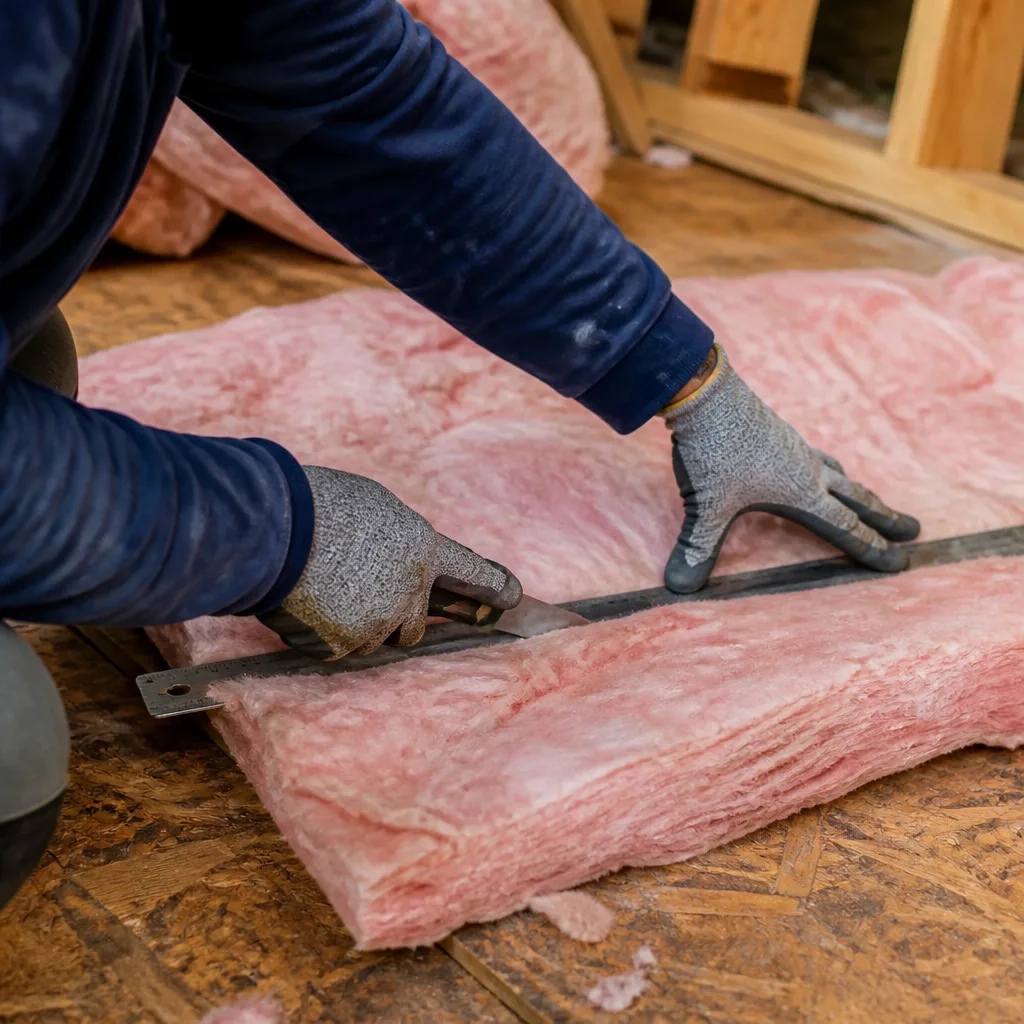
How much does attic cleaning cost in Round Rock, TX?
Attic cleaning alone – removal of contaminated insulation, debris, droppings, and sanitization – typically costs $800 to $2,400 in Round Rock depending on attic size and contamination level. A 1,500 sq ft attic with moderate roof rat activity and six inches of contaminated blown-in insulation usually falls in the $1,100 to $1,600 range for the cleaning portion. That number goes up if the contamination is severe or if the attic has limited access sections. Call (737) 259-7528 for a written estimate specific to your home’s square footage – it’s free and it’s a flat price, not a range you’ll negotiate later.
How much does rodent proofing cost in Round Rock?
Rodent exclusion – sealing entry points around the roofline, soffits, fascia, gable vents, and pipe penetrations – runs $400 to $1,200 in Round Rock as a standalone service. The range is that wide because the number of entry points varies dramatically: a newer home in Teravista might have four gaps; an older home near Brushy Creek with original fascia boards might have 20 or more. Any quote that doesn’t specify the number of entry points being sealed is a quote you should push back on. Call (737) 259-7528 to schedule an inspection that maps every point before the scope is written.
Is it worth replacing attic insulation after a rodent infestation?
Yes – contaminated insulation loses R-value from compaction and moisture from urine saturation, and the biological material it holds creates odor and indoor air quality problems that don’t resolve on their own. In Round Rock’s summer heat, insulation that has been through one or two rodent infestations and baked at 140-plus degrees is rarely performing at its rated R-value. Replacing it to R-49 or R-60 after a full cleaning typically drops summer cooling costs measurably – the before-and-after blower-door test documents the air-sealing portion of that improvement in a single number. The insulation replacement portion is harder to isolate in one measurement but shows up over the billing cycle. Call (737) 259-7528 for a written scope that includes the current R-value reading from your attic.
How long does attic cleaning and rodent proofing take in Round Rock?
Most jobs in Round Rock take one to two full days. A smaller attic with moderate contamination and straightforward access can be completed in a single day. A larger attic – anything above 2,000 sq ft – or a job with heavy contamination and many entry points typically runs into a second day. The sanitization step also requires dwell time before new insulation can be installed, which sometimes means the cleaning happens on day one and insulation goes in on day two. You’ll get the specific timeline in writing as part of the scope before any work starts.
Does attic cleaning prevent rodents from coming back?
Cleaning alone does not prevent re-entry – exclusion sealing does. The cleaning removes the contaminated material and the odor trails that attract new rodents; the exclusion sealing physically closes the entry points. Both have to be done together, and the sealing has to be thorough. A sealed attic with one missed gap is not a sealed attic – roof rats will find the gap within weeks. The 365-Day Done Right Promise covers every entry point we sealed: if we missed one and a rodent gets back in through a point we were paid to seal, we come back and make it right. That promise is written into the scope before we start. Call (737) 259-7528 to ask exactly how we document the entry points we close.
What’s the difference between attic cleaning and attic sanitization?
Attic cleaning removes the physical contamination – insulation, droppings, nesting material, and debris. Attic sanitization treats the surfaces that remain after cleaning with an enzyme-based solution that breaks down biological residue and neutralizes odor compounds. In Round Rock’s heat, skipping sanitization means the odor baked into the framing and decking continues to off-gas into the living space and continues to attract new rodents. Sanitization adds $150 to $450 to a Round Rock job and is a required step in every scope we write – it’s not optional if you’re installing new insulation over that attic floor.
Key Takeaways
- Attic cleaning and rodent proofing in Round Rock, TX costs $1,200 to $4,800 for most single-family homes; the majority of jobs fall between $1,800 and $3,200.
- The job is a sequence – inspection, removal, cleanup, sanitization, air sealing, exclusion sealing, new insulation – and every step needs to happen in that order. Skipping air sealing before insulation is the most common shortcut we see on competitor jobs in Round Rock.
- The number of entry points found during inspection is the biggest variable in exclusion cost. Get a written scope that lists every point before you sign anything.
- Round Rock’s pre-1995 housing stock in Brushy Creek and the IH-35 corridor typically has the most severe entry-point problems; newer construction in Teravista and Paloma Lake tends toward fewer gaps but higher attic complexity.
- A blower-door test before and after air sealing documents what actually changed – not just what the technician says changed.
- The 365-Day Done Right Promise applies to every job: written scope, written warranty, written price before any work starts.
- Envelope Insulation Co. has completed work on 9,000+ homes since 2016, every one with a written price before work started and a Documented Photo Record when the crew left.
Ready to Get a Written Estimate for Your Round Rock Home?
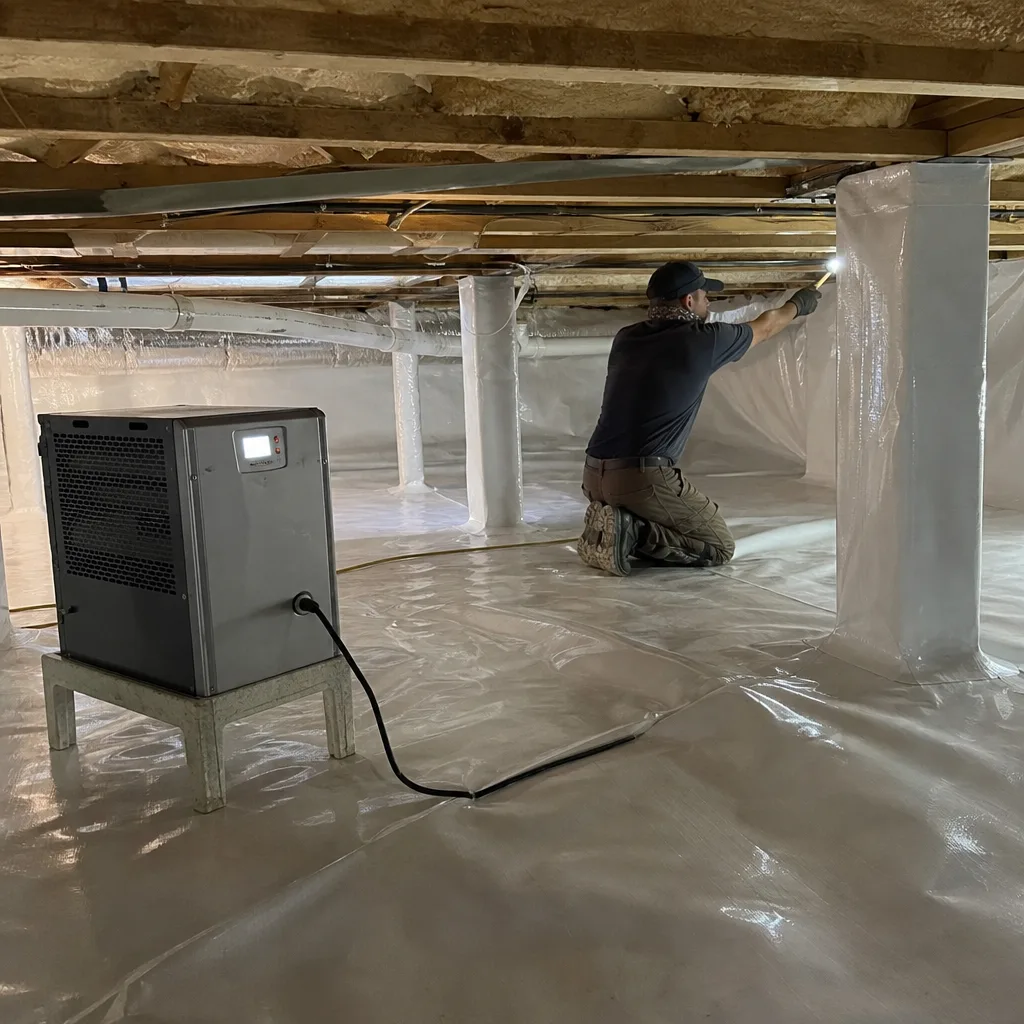
If you’ve found evidence of rodents in your attic – droppings, scratching sounds, nesting material, or a smell you can’t locate – the next step is a documented inspection, not a guess. Envelope Insulation Co., operating under The Haven Standard since 2016, provides a written price before any work starts and a Documented Photo Record when the job is done. On applicable jobs, you’ll also receive before-and-after blower-door numbers so you can verify the air-sealing result in a single measurement.
Call (737) 259-7528 to schedule a free estimate for Attic Cleaning & Rodent Proofing in Round Rock. A live person answers. You’ll get a named technician, a text when they’re on the way, and a written scope and flat price before anyone opens your attic hatch. If you already have a written quote from another contractor, bring it – we offer a Free Second Opinion on any written estimate at no charge.
Envelope Insulation Co. serves Round Rock and the surrounding Williamson County area. For more on our approach to the full building envelope, visit our home page.
Written by Wes Okafor, Owner at Envelope Insulation Co. (operating as Topside Attic Insulation Round Rock), serving Round Rock, TX since 2016.
Pricing reflects the Round Rock market as of 2026. Topside Attic Insulation Round Rock offers free estimates – call (737) 259-7528.
What Our Customers Say
"The winter gas bill dropped by about a third. They had estimated a quarter, so they under-promised."
- Genevieve R."Crawl space encapsulation done properly. Photographs of the vapour barrier at every seam, and the damp smell in the hallway is gone."
- Ainsley P."They air-sealed the attic floor before insulating and showed me the blower-door number before and after. The upstairs is finally the same temperature as downstairs."
- Marisol D.