
Insulation in Taylor, TX
Crawl space encapsulation and vapor barrier installation in Taylor, TX typically runs $2,800-$6,500 for most homes, with jobs on century-old pier-and-beam foundations often landing at the higher end due to access constraints and pre-existing moisture damage. We’re Envelope Insulation Co., and we’ve sealed and insulated more than 9,000 homes since 2016 under The Haven Standard - every one starting with a written price and closing with a documented photo record. If your crawl space smells musty, your floors are cold in winter, or you’ve noticed cupping hardwood near the kitchen, call us at (737) 259-7528. We dispatch crews to Taylor from our Austin office, and a live person answers the phone 24/7.
Why Taylor Homes Are Different
Taylor sits on the Blackland Prairie where summer attic temperatures routinely climb past 150°F and winter cold snaps like February 2021’s Storm Uri can freeze pipes in under-insulated walls for days. The city’s housing stock is split between two extremes: late-1800s to early-1900s balloon-frame cottages and bungalows built during the railroad era with little or no original wall insulation, and fast-built subdivisions along SH-79 and SH-95 corridors where aggressive framing schedules mean insulation quality deserves a second look. No other Williamson County city is navigating this collision of pre-1940 under-insulated stock and post-2021 construction boom simultaneously. The Samsung semiconductor megafab has also drawn industrial development along SH-79, creating demand for metal-building insulation at a scale Taylor contractors haven’t seen before.
Our Main Taylor Services
Most Taylor homeowners who call us start with one of these three services:
Attic Insulation in Taylor
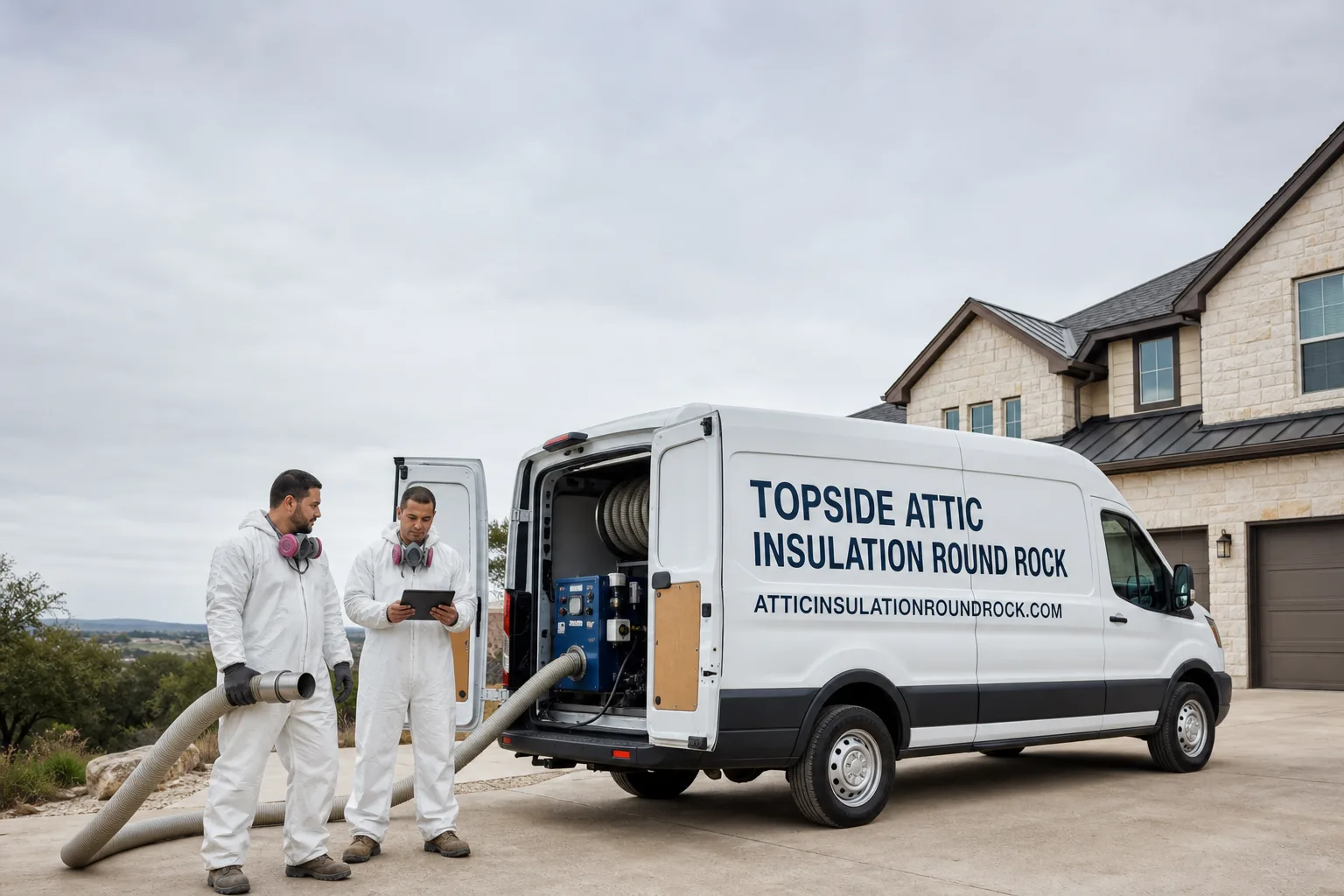
Attic insulation in Taylor means dealing with 150°F summer temperatures and the compressed, often rodent-damaged material we find in historic homes near downtown. We measure existing depth, check for air leaks at top plates and can lights, and only then recommend blown-in fiberglass, batt replacement, or spray foam. Every attic job includes a Documented Photo Record and, when applicable, before-and-after blower-door numbers. Attic Insulation in Taylor
Spray Foam Insulation in Taylor
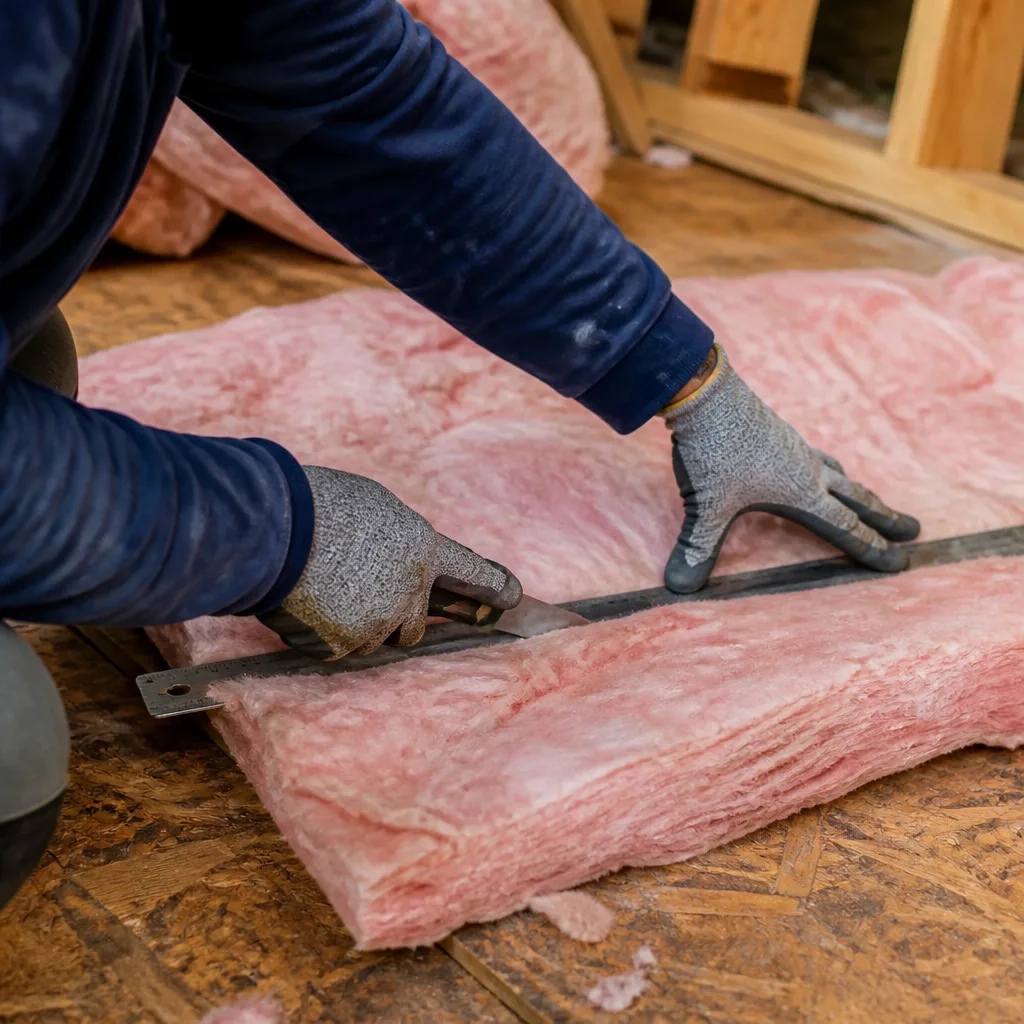
Spray foam insulation in Taylor is increasingly called for in new construction near the Samsung corridor and in metal-building conversions where traditional insulation won’t perform. We use open-cell and closed-cell products from Johns Manville and Demilec, specifying closed-cell for crawl spaces and open-cell for attic roof decks where moisture management matters. Written scope and warranty are delivered before the rig arrives. Spray Foam Insulation in Taylor
Blown-In Insulation in Taylor
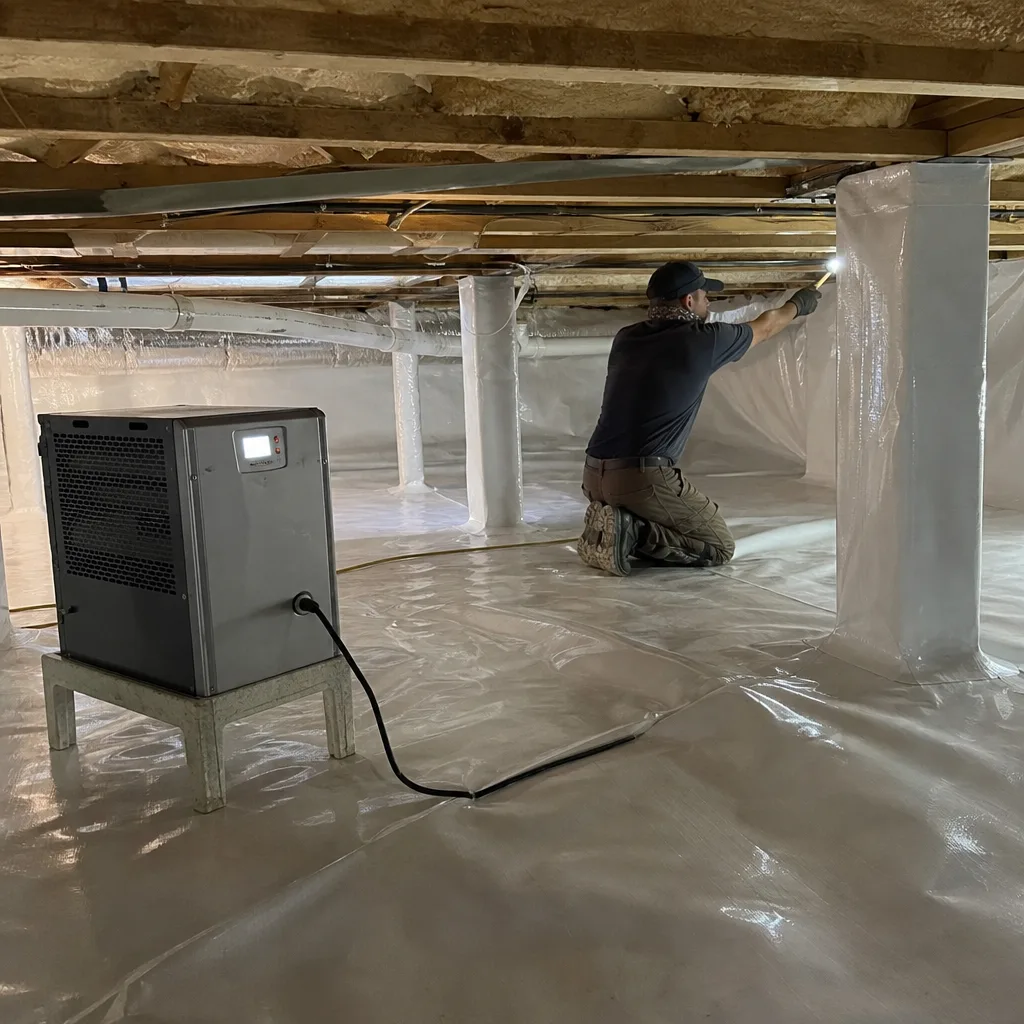
Blown-in insulation in Taylor is the most common upgrade for post-war ranch homes and newer subdivisions where attics were under-filled at construction. We blow Knauf or GreenFiber cellulose or fiberglass to R-38 or R-49 after sealing air leaks, never before. The blower-door test confirms the seal; the insulation holds the conditioned air. Blown-In Insulation in Taylor
What happens when you call
- 1
A real person answersNo phone trees - you reach a local pro.
- 2
You get an upfront price rangeHonest numbers before anyone is dispatched.
- 3
A background-checked tech heads outLicensed & insured, dispatched right away.
- 4
You approve before work beginsNothing starts until you say go.
Crawl Space Encapsulation & Vapor Barrier in Taylor
Taylor’s historic core is built on pier-and-beam foundations with vented crawl spaces that pull humid Blackland Prairie air underneath the floorboards year-round. In summer, that moisture condenses on cool joists and HVAC ducts; in winter, cold air bleeds through unsealed perimeter gaps and makes hardwood floors inhospitable. The February 2021 freeze proved how vulnerable these spaces are when wind finds every crack. Crawl Space Encapsulation & Vapor Barrier is the systematic fix: seal the perimeter, block the ground moisture, and condition the air below the living space.
Crawl Space Vapor Barrier
Signs you need it
Your crawl space has standing water after rain, fiberglass batts are sagging and black at the edges, or you smell earthiness indoors that air fresheners won’t touch.
What it costs in Taylor
A 6-mil to 20-mil vapor barrier installed over bare earth in a Taylor crawl space typically runs $1,200-$2,800, with 20-mil reinforced polyethylene at the higher end for rocky or root-disturbed ground.
How we do it
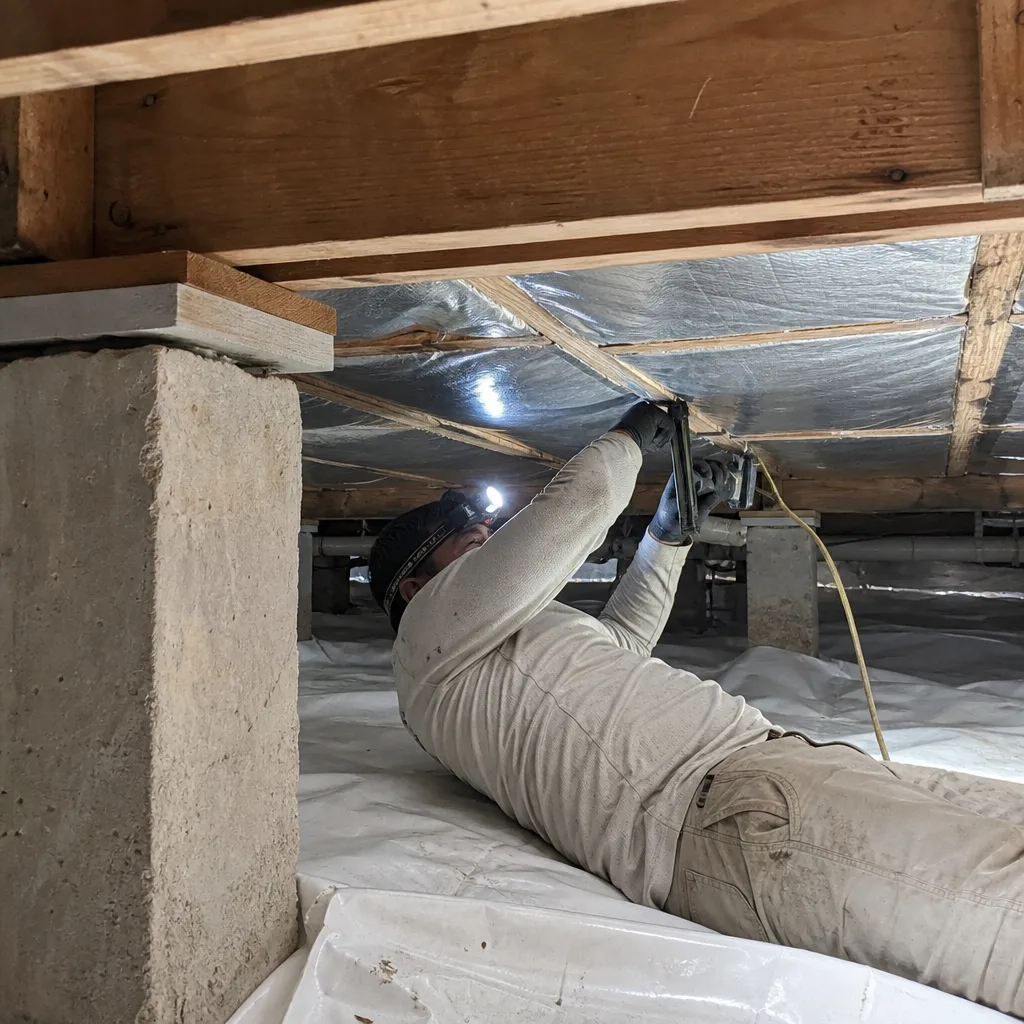
We remove debris and old fallen insulation, grade the soil for drainage, seam-seal the barrier with tape at every overlap, and run it 6 inches up the piers and walls before mechanical fastening.
Crawl Space Encapsulation
Signs you need it
Your HVAC runs constantly in summer, floor insulation is falling down in sheets, or you’ve had mold remediation in the crawl space within the last two years.
What it costs in Taylor
Full encapsulation with sealed walls, conditioned air supply, and dehumidification for a typical Taylor pier-and-beam home ranges from $4,500-$8,500, with larger footprints or extensive rot repair pushing toward the top.
How we do it
We seal all vents and perimeter gaps with rigid foam and closed-cell spray foam, install the vapor barrier across 100% of the ground surface, add a mechanical dehumidifier on a dedicated circuit, and deliver before-and-after humidity readings in your documentation packet.
What Crawl Space Encapsulation & Vapor Barrier Costs in Taylor
| Item | Typical range in Taylor |
|---|---|
| Vapor barrier (6-20 mil, ground only) | $1,200 - $2,800 |
| Partial encapsulation (walls + barrier, no conditioning) | $3,200 - $5,500 |
| Full encapsulation with dehumidifier | $4,500 - $8,500 |
How long does crawl space encapsulation take in Taylor?
Most Taylor crawl space encapsulations finish in two to three days, with day one for prep and sealing, day two for barrier installation and dehumidifier placement, and day three for testing and documentation. Older homes with limited access or active rot repair add a day.
Will encapsulation stop my floors from being cold?
Yes, sealing the crawl space perimeter and adding a vapor barrier typically raises floor surface temperatures by 8-12°F in winter by stopping the cold air infiltration that makes pier-and-beam homes uncomfortable. Call (737) 259-7528 for a free inspection and written price.
Radiant Barrier Installation in Taylor
Taylor attic temperatures exceed 150°F regularly from June through September, and homes with dark shingle roofs or west-facing pitches absorb radiant heat that conductive insulation alone cannot block. A radiant barrier - a reflective foil or coated roof-deck product - rejects up to 97% of radiant heat before it reaches your attic floor, reducing the load on ductwork and ceiling insulation. In Taylor’s historic homes with minimal original attic protection and in new subdivisions where builder-grade R-values meet code but don’t perform, this is often the highest-ROI single upgrade. Radiant Barrier Installation pays for itself fastest where cooling dominates the utility bill.
Attic Radiant Barrier
Signs you need it
Your attic insulation is rated R-38 or higher but upstairs rooms still hit 85°F by 4 PM, or your AC runs 14+ hours daily in July.
What it costs in Taylor
Loose radiant barrier foil stapled to attic truss bottoms in a typical Taylor home runs $1,100-$2,400, with spray-applied radiant coating on the roof deck at $1,800-$3,500 for complex pitches.
How we do it
We install perforated foil across the attic floor joists or spray a low-emissivity coating directly to the roof deck underside, maintaining ventilation channels and documenting the work with thermal imaging.
Radiant Barrier Roof Deck
Signs you need it
You’re re-roofing or building new in Taylor and want the barrier integrated at construction rather than retrofitted later, or your attic has limited headroom for floor-mounted foil.
What it costs in Taylor
Radiant barrier roof-deck installation during new construction or re-roofing in Taylor typically adds $1,500-$3,200 to the project, with foil-faced sheathing at the lower end and spray-applied coatings at the higher.
How we do it
We specify foil-faced OSB or apply a ceramic-based radiant coating to the roof deck before shingles go on, ensuring the product faces an air gap and meets ASTM C1313 reflectivity standards.
What Radiant Barrier Installation Costs in Taylor
| Item | Typical range in Taylor |
|---|---|
| Loose foil, attic floor/truss installation | $1,100 - $2,400 |
| Spray-applied radiant roof-deck coating | $1,800 - $3,500 |
| Radiant barrier integrated at re-roof | $1,500 - $3,200 |
Does radiant barrier work with existing insulation?
Yes, radiant barrier complements rather than replaces conductive insulation; we install it after air sealing and before adding blown-in material so both systems work together. The combined upgrade typically reduces summer cooling load by 15-25% in Taylor homes.
How long until I see lower electric bills?
Most Taylor homeowners see measurable cooling-cost reduction within one billing cycle, with full payback in three to five years depending on current insulation depth and AC efficiency. Call (737) 259-7528 for a free estimate with written pricing.
Insulation Removal & Replacement in Taylor
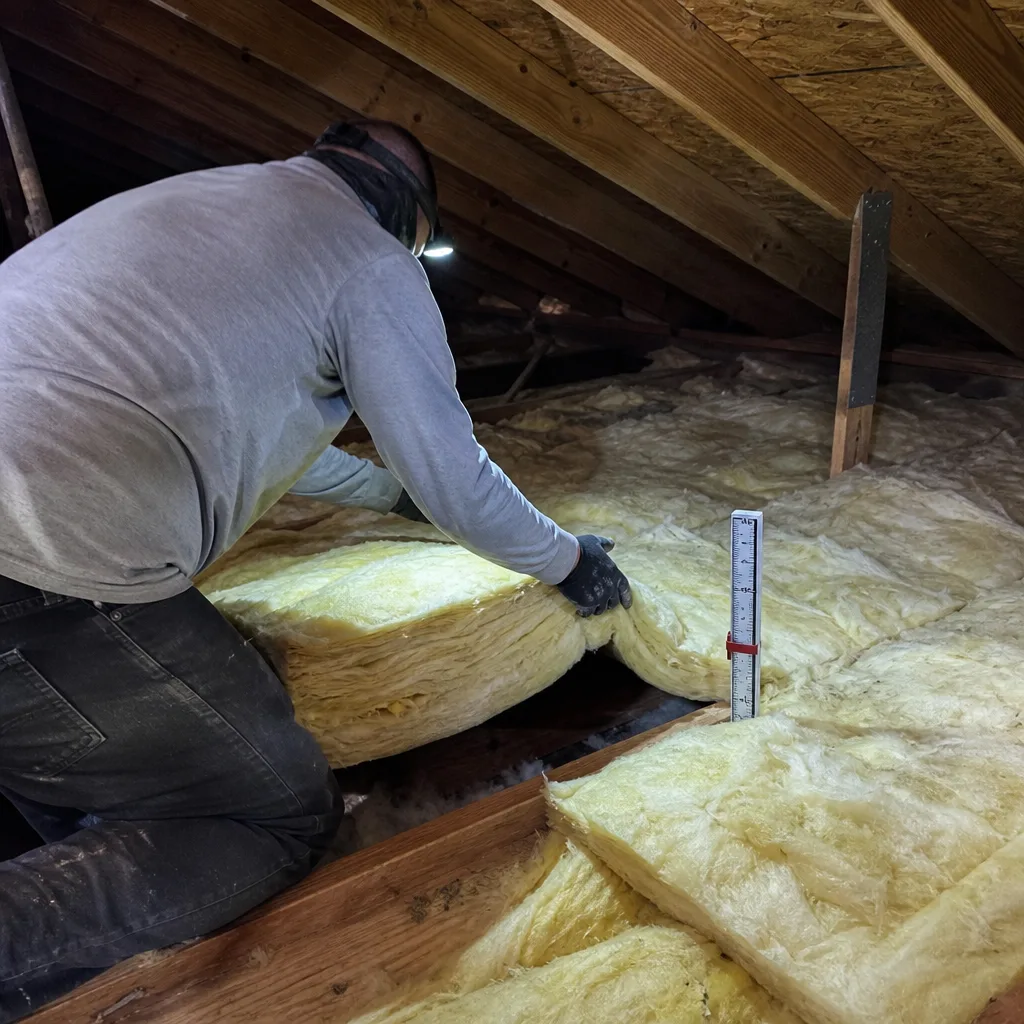
Taylor’s century-old homes contain insulation that has settled, been compromised by roof leaks, or harbored rodents for decades; newer subdivisions sometimes hide construction debris or under-specified batts behind drywall. We remove and replace insulation only after documenting what’s there - contaminated material requires different handling than compacted fiberglass, and vermiculite in pre-1990 homes demands EPA-aware protocols. Insulation Removal & Replacement in Taylor always starts with a written scope and hazard assessment, never a blanket quote.
Contaminated Insulation Removal
Signs you need it
Your attic insulation smells of urine or mildew, shows dark staining across broad areas, or you’ve had raccoon or squirrel occupation confirmed by a pest professional.
What it costs in Taylor
Contaminated insulation removal with HEPA containment and disposal in Taylor runs $2,000-$4,500 for a typical attic, with severe biohazard or extensive droppings requiring full PPE protocols at the higher end.
How we do it
We erect negative-air containment, remove material in sealed bags, HEPA-vacuum all surfaces, apply enzyme-based sanitizer, and deliver photos of the cleaned deck before any new insulation is specified.
Insulation Replacement
Signs you need it
Your attic insulation measures below R-19, has visible water damage or compression paths from foot traffic, or was installed before 1990 and never upgraded.
What it costs in Taylor
Insulation replacement with new blown-in fiberglass or cellulose to R-38 in a typical Taylor attic runs $1,800-$3,600 after removal, with spray foam replacement at $3,500-$7,000 for the same footprint.
How we do it
We air seal the attic floor first, then install the specified material to uniform depth with rulers visible for inspection, and close with a blower-door test when the scope includes sealing.
What Insulation Removal & Replacement Costs in Taylor
| Item | Typical range in Taylor |
|---|---|
| Contaminated insulation removal (attic) | $2,000 - $4,500 |
| Standard insulation removal + disposal | $800 - $1,800 |
| Insulation replacement to R-38 (blown-in) | $1,800 - $3,600 |
Do I have to leave my house during removal?
No, our HEPA containment and negative-air setup keeps living spaces isolated, though we recommend sensitive individuals leave for the day if heavy contamination is present. We notify you before breaking containment.
Can you match new insulation to old wall thickness?
We specify material by performance target, not thickness; dense-pack cellulose in walls achieves R-13 to R-15 in a standard 2×4 cavity, outperforming the original compressed batts most Taylor homes contain. Call (737) 259-7528 for a free second opinion on any existing quote.
Attic Air Sealing in Taylor
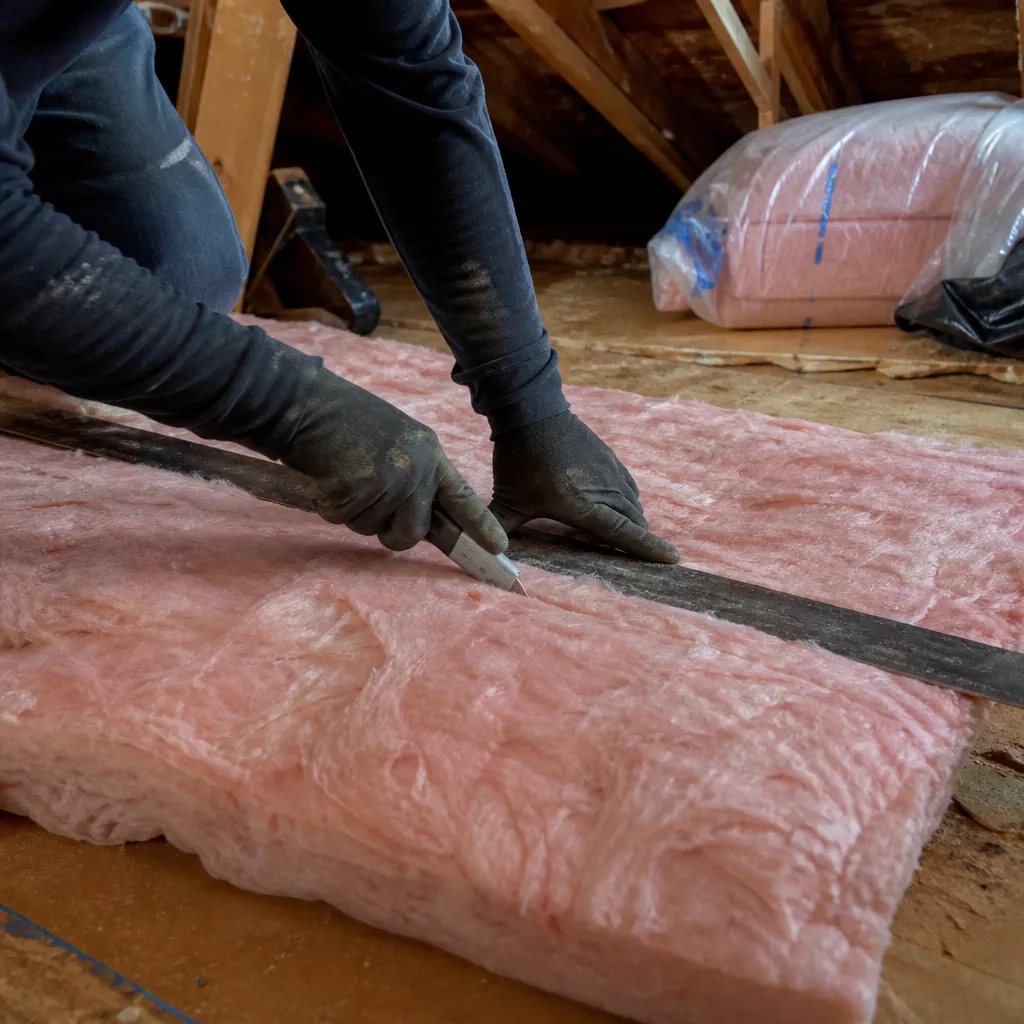
Taylor’s balloon-frame historic homes and even some newer tract builds share a common problem: conditioned air escapes through gaps at top plates, wire penetrations, and unsealed can lights faster than insulation can hold it. A blower-door test - a pressurization reading that shows, in one number, how much air your building envelope is losing - regularly reveals 3,500+ CFM50 in pre-1940 Taylor homes before we start. Attic Air Sealing is the prerequisite step we never skip; we seal first, then insulate, in that order, every time.
Top Plate & Penetration Sealing
Signs you need it
Your blower-door test shows excessive infiltration, you feel drafts at interior wall tops in winter, or your attic insulation has dark streaks where filtered air has passed through.
What it costs in Taylor
Top plate and penetration sealing for a typical Taylor attic runs $1,400-$2,800, with complex multi-level homes or extensive rewiring passages at the higher end.
How we do it
We foam-seal every top plate joint, electrical penetration, and plumbing stack with one-part or two-part polyurethane, then verify with a mid-job blower-door test to confirm reduction before insulation goes in.
Can Light & Duct Boot Sealing
Signs you need it
Your recessed can lights are IC-rated but not airtight, or your HVAC duct boots show dust accumulation on the attic side where conditioned air is leaking out.
What it costs in Taylor
Sealing can lights with pre-formed covers and mastic-sealing duct boots in a typical Taylor attic adds $800-$1,800 to the air-sealing scope, with ten or more fixtures pushing toward the top.
How we do it
We install fire-rated airtight covers over every can light, seal duct boots with fiber-reinforced mastic, and pressure-test the duct system when the scope includes duct sealing.
What Attic Air Sealing Costs in Taylor
| Item | Typical range in Taylor |
|---|---|
| Top plate & penetration sealing | $1,400 - $2,800 |
| Can light & duct boot sealing | $800 - $1,800 |
| Full attic air sealing (comprehensive) | $2,200 - $4,200 |
Is air sealing worth it without new insulation?
Yes, sealing alone typically reduces heating and cooling load by 15-30% in leaky Taylor homes, though we recommend pairing it with insulation replacement for maximum performance; we quote both options so you can decide.
How do I know the sealing worked?
We provide before-and-after blower-door numbers on every air-sealing job - you’ll see the CFM50 reduction in writing, with photos of every sealed location in your Documented Photo Record. Call (737) 259-7528 to schedule.
Wall Insulation in Taylor
Taylor’s railroad-era balloon-frame homes were built with no wall insulation at all, just clapboard siding, sheathing, and lath-and-plaster interior; post-war ranches often contain thin, settled batts that perform below half their labeled R-value. The February 2021 freeze made the consequences visible when pipes in exterior walls froze in homes that should have been protected. Wall Insulation in Taylor requires methods that don’t require gutting the house - injection foam and drill-and-fill techniques that we specify based on wall construction, not a one-size-fits-all approach.
Injection Foam Wall Insulation
Signs you need it
Your exterior walls feel cold to the touch in winter, your home was built before 1945 with balloon framing, or you’ve verified empty wall cavities with a thermal camera.
What it costs in Taylor
Injection foam wall insulation for a typical 1,200-square-foot Taylor home runs $3,500-$6,500, with two-story homes or complex floor plans at the higher end due to access requirements.
How we do it
We drill 2-inch holes at stud-bay intervals, inject slow-rise foam that fills without bowing the walls, patch with matching siding or interior texture, and verify fill with thermal imaging before we leave.
Drill & Fill Wall Insulation
Signs you need it
Your walls contain some insulation but it’s thin, settled, or damaged, and you want improved R-value without the cost of full foam injection or interior demolition.
What it costs in Taylor
Drill-and-fill with dense-pack cellulose in a typical Taylor home runs $2,800-$5,200, with stucco or brick exteriors requiring specialized patching at the higher end.
How we do it
We remove a course of siding or drill through mortar joints, blow cellulose to 3.5 pounds per cubic foot density for no-settle performance, seal penetrations, and deliver density-test documentation.
What Wall Insulation Costs in Taylor
| Item | Typical range in Taylor |
|---|---|
| Injection foam (full fill, typical home) | $3,500 - $6,500 |
| Dense-pack cellulose drill-and-fill | $2,800 - $5,200 |
| Exterior wall insulation (retrofit, per sq ft) | $3.50 - $6.00 |
Will injection foam damage my plaster walls?
No, slow-rise injection foam is specifically formulated to fill without exerting pressure that cracks lath-and-plaster; we’ve used it in dozens of Taylor historic homes with zero wall damage. We monitor pressure at the injection gun in real time.
Can you insulate walls from the outside only?
Yes, exterior-only access is standard for our drill-and-fill and injection methods; we match siding patches or mortar color so the penetration points are nearly invisible. Call (737) 259-7528 for a free inspection and written price.
Attic Cleaning & Rodent Proofing in Taylor
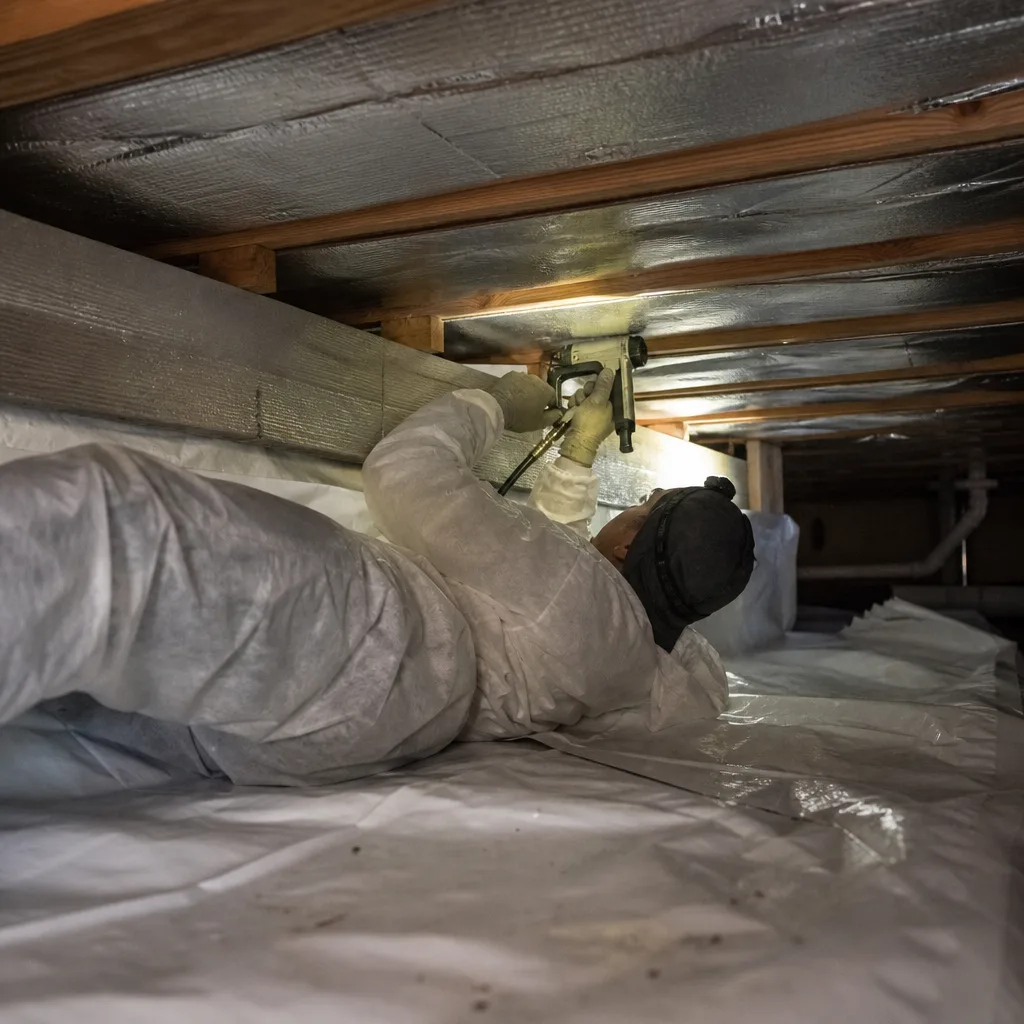
Taylor’s mature tree canopy and historic neighborhoods with aging soffits create entry points that squirrels, rats, and raccoons exploit to nest in attics, contaminating insulation and compromising air quality. The Blackland Prairie’s oak and pecan corridors provide continuous wildlife highways from rural Williamson County right into downtown rooflines. Attic Cleaning & Rodent Proofing in Taylor is remediation and prevention together - we clean what’s there, then seal how they got in, with photo documentation of every entry point.
Attic Sanitizing & Decontamination
Signs you need it
Your attic has visible droppings, a persistent organic smell that enters through ceiling penetrations, or you’ve found dead wildlife during a routine inspection.
What it costs in Taylor
Attic sanitizing and decontamination with enzyme treatment and HEPA cleanup in Taylor runs $1,500-$3,200, with heavy accumulation or multiple species requiring extended remediation at the higher end.
How we do it
We remove contaminated insulation, apply hospital-grade enzymatic sanitizer to all surfaces, HEPA-vacuum to bare deck, and deliver before-and-after photos with a written clearance statement.
Rodent Proofing & Exclusion
Signs you need it
You hear scratching in walls seasonally, have found gnaw marks on soffit vents, or have had recurring pest-control visits that never address the structural entry points.
What it costs in Taylor
Rodent proofing and exclusion for a typical Taylor home runs $1,200-$2,800, with complex rooflines, multiple dormers, or deteriorated fascia requiring more extensive metalwork at the higher end.
How we do it
We inspect every roof penetration, soffit joint, and foundation gap with a camera, seal with galvanized steel mesh and one-way exclusion doors, and provide a written warranty on our exclusion work.
What Attic Cleaning & Rodent Proofing Costs in Taylor
| Item | Typical range in Taylor |
|---|---|
| Attic sanitizing & decontamination | $1,500 - $3,200 |
| Rodent proofing & exclusion | $1,200 - $2,800 |
| Full attic restoration (cleanout + proofing + insulation) | $4,500 - $9,000 |
Do you remove dead animals from attics?
Yes, we locate and remove carcasses as part of our sanitizing scope, then treat the area with enzyme neutralizer to eliminate the odor that would otherwise attract insects and new wildlife. We document the location in your photo record.
How do I know the rodents won’t come back?
Our exclusion warranty covers re-entry through any sealed point for one year; we use galvanized steel, not foam or caulk, at every penetration because rodents can chew through softer materials. Call (737) 259-7528 for a free inspection.
Home Energy Audit in Taylor
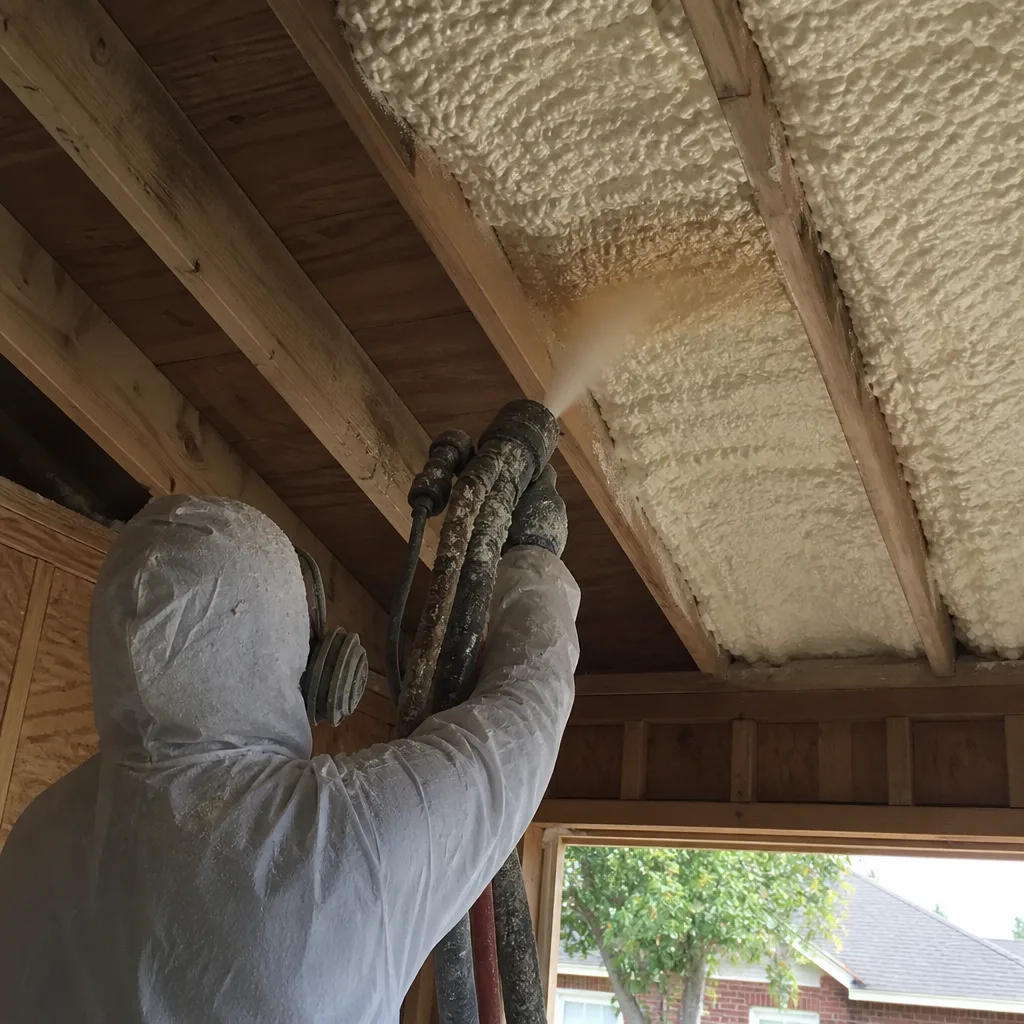
A home energy audit in Taylor is the diagnostic starting point for every major upgrade we recommend - especially critical given the split between uninsulated historic stock and new construction with unknown installation quality. The blower-door test reveals what you cannot see: the cumulative leakage of every gap, crack, and bypass in your building envelope, expressed as a single CFM50 number that we can compare to post-improvement performance. Home Energy Audit in Taylor includes thermal imaging, duct testing, and a written priority list with pricing for each recommendation.
Blower Door Test
Signs you need it
Your utility bills are 30% higher than comparable homes, you feel drafts despite closed windows, or you’re considering insulation work and want to measure the result.
What it costs in Taylor
A standalone blower-door test with thermal imaging in Taylor runs $350-$650, with whole-house energy audits including duct testing and combustion safety at $450-$850.
How we do it
We depressurize the house to 50 Pascals with a calibrated fan, measure total leakage, then use a smoke pencil and thermal camera to locate the dominant leakage paths for your written report.
Thermal Imaging Inspection
Signs you need it
You suspect missing insulation in walls or ceilings, have had ice damming or moisture staining, or want to verify contractor work from a recent renovation.
What it costs in Taylor
Thermal imaging as part of a full energy audit is included in the $450-$850 range; standalone thermal inspection for a specific concern runs $250-$450.
How we do it
We scan every exterior surface with a FLIR camera during controlled conditions, mark thermal anomalies on photos, and interpret patterns to distinguish air leakage from missing insulation from moisture intrusion.
What Home Energy Audit Costs in Taylor
| Item | Typical range in Taylor |
|---|---|
| Blower-door test with thermal imaging | $350 - $650 |
| Comprehensive home energy audit | $450 - $850 |
| Standalone thermal imaging inspection | $250 - $450 |
Will an audit tell me what to fix first?
Yes, your written report ranks recommendations by cost-effectiveness and comfort impact, with estimated savings and payback periods for each; most Taylor homeowners prioritize attic air sealing and insulation as the first dollar.
Can I use audit results for utility rebates?
Yes, our audit documentation meets Austin Energy and Texas Gas Service rebate requirements where applicable; we note eligible measures in your report. Call (737) 259-7528 to schedule - estimates are free.
Brands We Service in Taylor
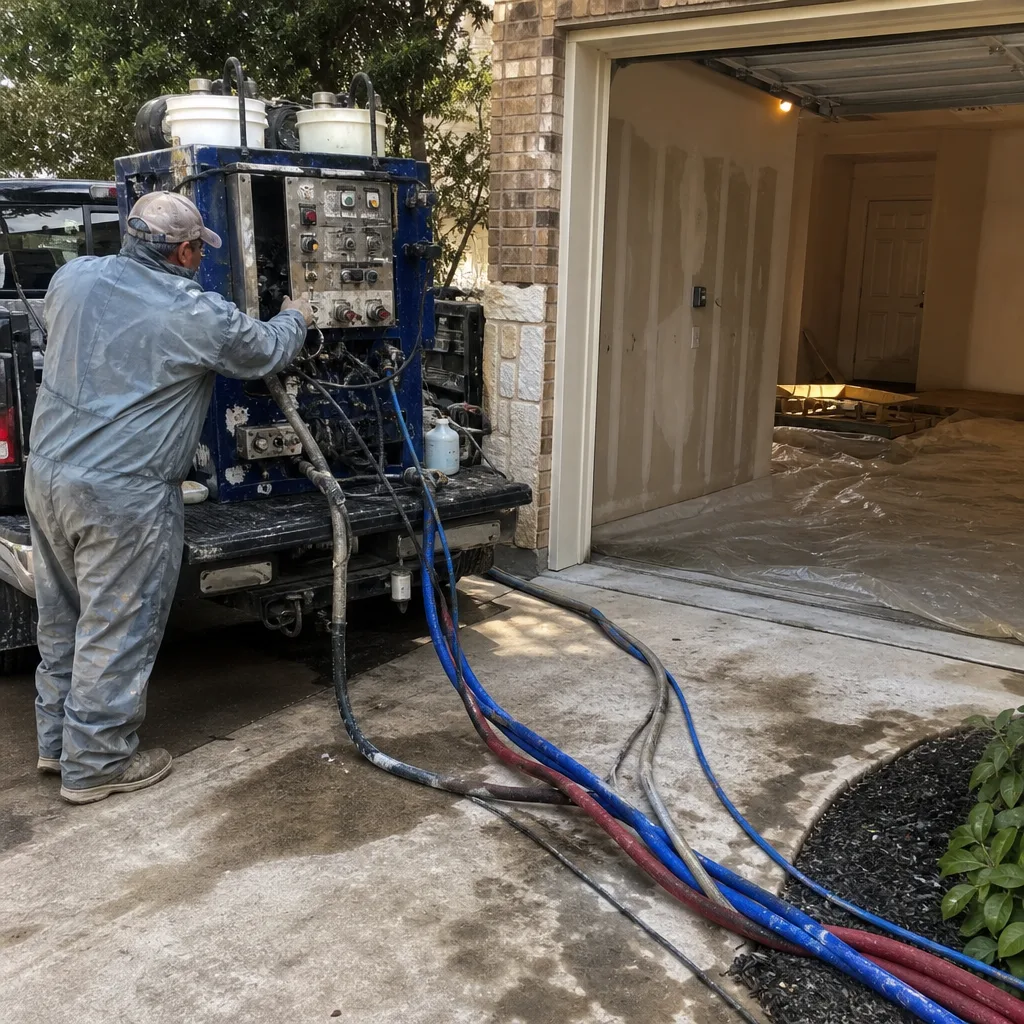
We specify materials from Johns Manville, Knauf, Rockwool, and CertainTeed based on the application, not a proprietary lock-in. Our Austin office stocks common batts, blown-in, and rigid board for Taylor jobs, with most specialty orders arriving in 48 hours. See our brands for full specifications.
Pricing for Insulation in Taylor, TX
| Service | Typical range in Taylor |
|---|---|
| Crawl space vapor barrier | $1,200 - $2,800 |
| Full crawl space encapsulation | $4,500 - $8,500 |
| Radiant barrier (attic foil) | $1,100 - $2,400 |
| Radiant barrier roof deck | $1,500 - $3,200 |
| Contaminated insulation removal | $2,000 - $4,500 |
| Insulation replacement (blown-in) | $1,800 - $3,600 |
| Attic air sealing (comprehensive) | $2,200 - $4,200 |
| Injection foam wall insulation | $3,500 - $6,500 |
| Dense-pack cellulose walls | $2,800 - $5,200 |
| Attic sanitizing & decontamination | $1,500 - $3,200 |
| Rodent proofing & exclusion | $1,200 - $2,800 |
| Home energy audit (comprehensive) | $450 - $850 |
Prices in Taylor trend higher for homes with limited access, active moisture damage, or hazardous material like vermiculite requiring special handling. Every job begins with a written price before any work starts - Haven Standard Clause 1 - and we offer a Free Second Opinion on any competing written estimate.
Neighborhoods We Serve in Taylor
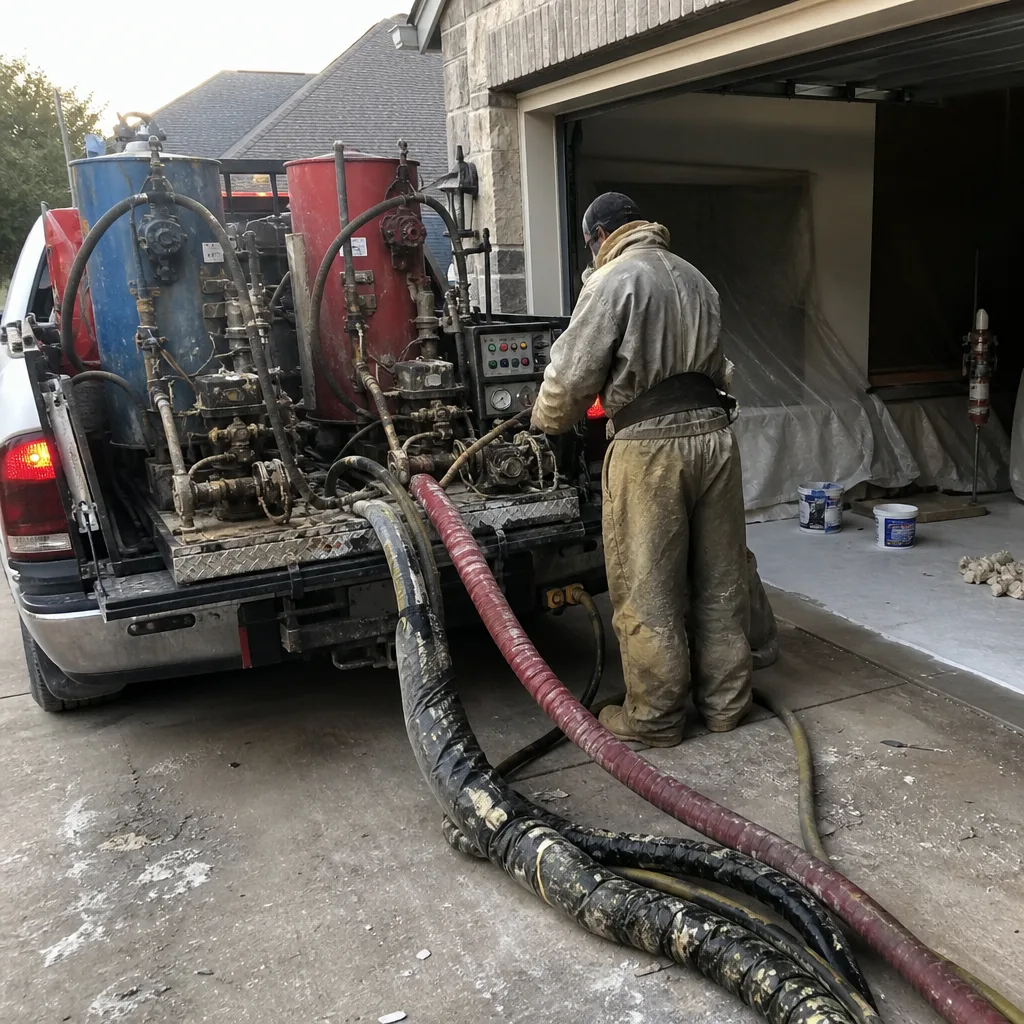
We work across Taylor’s full range of housing eras and styles, from downtown historic districts to new developments near the Samsung corridor. Most Taylor appointments are scheduled within 24-48 hours of call.
- Downtown Taylor Historic District
- Murphy Park area
- Mustang Ridge Estates
- SH-79 corridor new construction
- North Taylor near Howard Park
Service Area - Cities Near Taylor
Our crews serve Taylor directly from our Austin dispatch office, with same-day and next-day availability throughout Williamson County and northern Travis County. We also work regularly in Hutto, TX, Pflugerville, TX, Round Rock, TX, and Georgetown, TX.
Serving Taylor, TX - Our Local Coverage Area
We’re based in the Taylor area and know this community well. Use the map below to see our service coverage - if you’re nearby, we can almost certainly help.
FAQs About Insulation in Taylor
Most attic and wall insulation upgrades in Taylor do not require a permit if you’re not altering structure or electrical, though crawl space encapsulation with conditioned air supply may trigger mechanical inspection; we handle permit research as part of our written scope when applicable.
We schedule most Taylor inspections within 24-48 hours, with emergency calls for active leaks or no-heat situations answered by a live person 24/7; crews dispatch from our Austin office with text notifications when your technician is en route.
Yes, we’ve worked extensively in Taylor’s pre-1940 balloon-frame stock and understand the access constraints, lath-and-plaster considerations, and moisture patterns specific to these homes; every historic job includes a written preservation-aware scope.
Ready to see what your home is losing? Call (737) 259-7528 for a free estimate with upfront pricing, a written scope before any work starts, and the documented proof that The Haven Standard requires.
What happens when you call
- 1A real person answersNo phone trees - talk to a local insulation pro.
- 2You get an upfront price rangeHonest numbers before anyone is dispatched. No surprises.
- 3A background-checked tech heads outLicensed & insured, typically within the hour.
- 4You approve before work beginsNothing starts until you say go.
What Taylor Customers Say
"The winter gas bill dropped by about a third. They had estimated a quarter, so they under-promised."
- Genevieve R."Crawl space encapsulation done properly. Photographs of the vapour barrier at every seam, and the damp smell in the hallway is gone."
- Ainsley P."They air-sealed the attic floor before insulating and showed me the blower-door number before and after. The upstairs is finally the same temperature as downstairs."
- Marisol D.