
How Much Does Insulation Removal & Replacement Cost in Round Rock?
Insulation removal and replacement in Round Rock, TX typically runs between $1,400 and $3,800 for a standard attic in a 1,500-to-2,500-square-foot home, with most jobs landing around $2,200 when you factor in old-material removal, air sealing, and fresh blown-in insulation. The range is wide because no two attics in Round Rock are the same – a 1970s ranch in Brushy Creek with original fiberglass batts sitting on a leaky top plate is a very different job than a 2010 home in Teravista that just needs a contaminated-insulation swap after a rodent issue. Get a written price before any work starts, and make sure that price covers both the removal and the replacement – not just one or the other.
Insulation Removal & Replacement Cost Breakdown (2026)
Here is how the numbers break down across the most common project types in Round Rock. These are real ranges based on current labor and material costs in the Central Texas market, not national averages pulled from a trade publication.
| Project Type | Typical Range | Notes |
|---|---|---|
| Attic insulation removal only (per sq ft) | $1.00 – $2.25/sq ft | Blown-in or batt; includes bag-out and haul |
| Attic air sealing (top plates, can lights, penetrations) | $400 – $950 | Completed before new insulation is installed |
| Blown-in attic insulation replacement (per sq ft) | $1.10 – $2.00/sq ft | Cellulose or fiberglass; R-38 to R-60 depth |
| Full removal + air seal + replacement (1,500 sq ft attic) | $1,400 – $2,600 | Most common single-story home in Round Rock |
| Full removal + air seal + replacement (2,000-2,500 sq ft attic) | $2,200 – $3,800 | Larger footprints, complex truss systems |
| Rodent or mold contamination surcharge | $350 – $700 | HEPA vacuum, attic sanitization included |
| Batt insulation removal (walls, if applicable) | $1.50 – $3.00/sq ft | Rare; usually tied to a remodel |
| Radiant barrier installation (add-on) | $600 – $1,400 | Common in Round Rock given summer attic temps |
| Blower-door test (before and after) | Included on applicable jobs | Pressure reading that verifies air-sealing result |
A few things to understand about that table. The removal cost per square foot is not just about vacuuming out old material – it includes the labor to suit up and enter a Texas attic in summer (often 140°F up there), industrial-grade HEPA vacuum equipment, sealed disposal bags, and proper haul-off. Contractors who quote removal-only prices well below $1.00 per square foot are either skipping PPE or skipping the haul, which means your old insulation ends up bagged in your garage instead of gone.
Air sealing is the line item most contractors quietly drop from their proposals to make their number look smaller. At Envelope Insulation Co., it is not optional – air sealing of top plates, can lights, and penetrations is completed before any new insulation goes in. That is not an upsell; it is the correct sequence. Blowing fresh cellulose over an unsealed attic floor just buries the problem and guarantees the homeowner will be uncomfortable for the next decade despite spending thousands.
On applicable jobs, we provide before-and-after blower-door numbers – a pressurization reading that shows, in one figure, how much conditioned air your home was losing before the work and how much it loses after. Most Round Rock homes we test read between 3,800 and 5,500 CFM50 before sealing. After a thorough air-seal pass, that number commonly drops to 2,200-3,100 CFM50. That is a documented, measurable result – not a feeling.
What Affects Insulation Removal & Replacement Pricing in Round Rock
Several variables move the final number up or down. Some are about your house; some are about decisions made by a previous contractor or the original builder.
- Attic square footage and layout complexity. A simple rectangular attic over a single-story slab home in Round Rock’s Stone Canyon neighborhood is faster to work in than a two-story home in Mayfield Ranch with multiple knee walls, drop soffits, and HVAC equipment crowding the floor. Complex layouts add labor time, and labor is the largest cost variable in any insulation job.
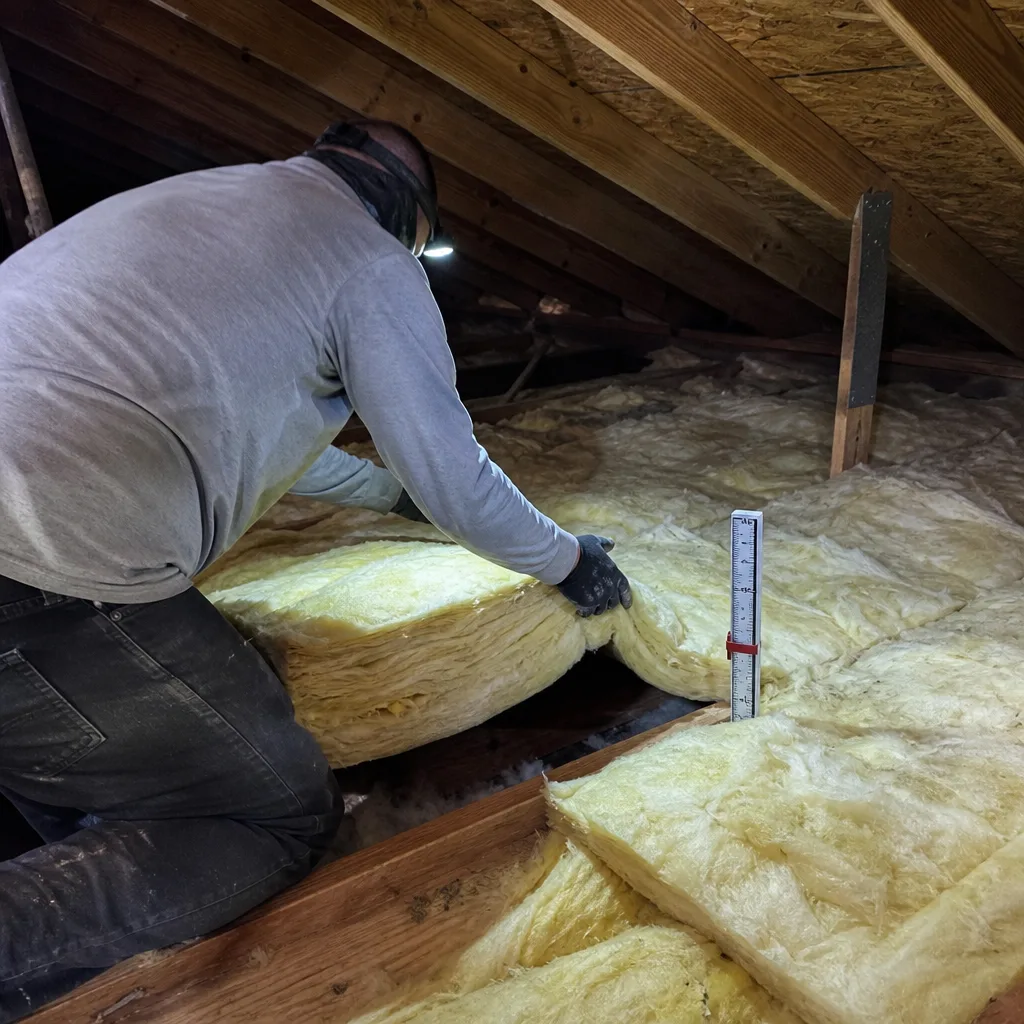
- Type and depth of existing insulation. Blown-in cellulose and blown-in fiberglass are both manageable to remove. Old-school fiberglass batts that have been stapled, compressed, and partially covered by a second layer take longer to extract cleanly. Vermiculite (an older material sometimes found in Round Rock homes built before 1980) requires asbestos testing before any removal work begins – that is a separate cost and a non-negotiable safety step.
- Contamination – rodents, moisture, or mold. Round Rock’s proximity to brushy creek corridors and its mix of mature tree canopy means attic rodent activity is common, especially in older neighborhoods north of 620. Contaminated insulation requires HEPA-rated removal, a sanitizing treatment, and sometimes pest exclusion work before replacement. Budget $350-$700 more than a clean-removal job.
- Air sealing scope. A 1990s-era home in Round Rock typically has dozens of unsealed top-plate penetrations and open can lights. A newer build from 2018 in Forest Creek may already have spray-foamed penetrations, so the air-sealing scope is lighter. The inspector’s notes after an attic walkthrough determine this – there is no honest way to price it without looking first.
- Target R-value for replacement. Texas’s climate zone 2 (where Round Rock sits) calls for R-38 to R-60 in attic assemblies under current energy code. Getting from a compressed R-11 batt to a full R-49 blown-in cellulose layer takes meaningful material volume. The deeper the target R-value, the more material is needed, and material costs are real in 2026 – Owens Corning, Johns Manville, and GreenFiber products all carry current market pricing that shows up in your quote.
- Attic accessibility. If the only hatch is a pull-down stair in a hallway with three feet of clearance, equipment setup takes longer. Some Round Rock homes have no attic access at all when we arrive and we need to create one. That adds time and material cost, but it also needs to be documented in the written scope so there are no surprises on the invoice.
Round Rock-Specific Factors That Change the Calculation
Round Rock’s climate pushes insulation removal and replacement costs in directions that national pricing guides miss entirely. The city sits in Central Texas where summer attic temperatures routinely exceed 140°F from June through September. That thermal load does two things: it degrades certain insulation materials faster than in northern climates, and it makes attic labor significantly more difficult and time-intensive during summer months. We schedule summer attic work in early-morning windows and require crew rotations – that is built into our pricing rather than tacked on as a heat-weather surcharge.
The older parts of Round Rock – neighborhoods like Heritage, Brushy Creek, and areas near downtown along Mays Street – were built in the 1970s and 1980s when R-11 was considered adequate. Many of these attics have never had their insulation touched. A removal and full replacement in these homes often reveals top plates that were never sealed at all, wiring penetrations open to the conditioned space, and, occasionally, vermiculite that needs to be tested before the crew touches it. These are not hypothetical scenarios; they are what we regularly find.
Round Rock also sits in Williamson County, which follows the 2021 International Energy Conservation Code as adopted by the Texas Department of Licensing and Regulation. For attic insulation in Climate Zone 2, the current code minimum is R-38, but the cost difference between R-38 and R-49 or R-60 is small enough per square foot that most homeowners doing a full replacement choose the higher R-value. We walk through that math in every written estimate so you can make the decision with real numbers in front of you.
If your home was built during the Round Rock building boom of the late 2000s and early 2010s (a significant share of homes in Teravista, Cat Hollow, and Walsh’s Landing were built between 2006 and 2014), you may have adequate R-value but poor air sealing from an era when builders moved fast. In those homes, the removal is sometimes partial – we remove and replace only the problem areas rather than the entire floor – and the bulk of the job cost shifts toward air sealing rather than new material.
How to Save on Insulation Removal & Replacement
There is a short list of things that actually reduce your total cost, and a longer list of shortcuts that reduce your quote while increasing your total cost over time. This section is about the first list.
Get a written price that covers the full scope. The most common way homeowners overspend on insulation projects is by accepting a low bid that covers removal but not haul-off, or replacement but not air sealing. When the hidden items show up mid-job as change orders, you have no negotiating position. Under the Haven Standard, every Envelope Insulation Co. estimate is a flat, written price covering the full scope – removal, air sealing, replacement, documentation – before anyone starts.
Ask for a second opinion on any written estimate you already have. If another contractor has given you a written quote, we will read it with you at no charge. That is a standing offer – no strings attached. A second set of eyes on a written scope often catches items that were excluded, materials that were downgraded, or R-values that don’t match the stated goal. Call (737) 259-7528 and mention you have an existing estimate; we will schedule a free review.
Combine removal with other envelope work. If you are also considering a Insulation Removal & Replacement in Round Rock alongside a radiant barrier or crawl space vapor barrier, scheduling those together reduces mobilization costs. Each crew visit carries a fixed overhead; combining two or three envelope improvements into one visit spreads that overhead across a larger job value, which often moves the per-square-foot cost down meaningfully.
Check for utility rebates before you commit. Austin Energy and Bluebonnet Electric Cooperative (depending on which side of Round Rock your address falls on) have historically offered rebates on qualifying insulation upgrades. Rebate programs change annually, so we do not publish specific dollar amounts here – but we do verify current eligibility as part of the written estimate process and document the R-values and air-sealing data in a format that supports rebate applications.
Don’t delay past the fall window. This is not urgency theatre – it is practical scheduling math. Round Rock attic temperatures make summer insulation work genuinely harder, and contractor availability in the fall is higher than in spring. October through February is typically when scheduling is most flexible and when attic conditions are tolerable enough that a crew can work efficiently. A job that takes six hours in November might take eight in July; that difference shows up in labor cost.
Verify the contractor carries proper coverage before work starts. An uninsured subcontractor working in your attic is a liability that lands on your homeowner’s policy if something goes wrong. Ask for a certificate of insurance before anyone steps on your property. Envelope Insulation Co. is insured and bonded; documentation is available before any work begins.
FAQs – Insulation Removal & Replacement Cost in Round Rock
How much does attic insulation removal cost in Round Rock, TX?
Attic insulation removal in Round Rock runs $1.00 to $2.25 per square foot, including the vacuum-out, bagging, and haul-off. For a typical 1,500-square-foot attic, that is $1,500 to $3,375 for removal alone. Contaminated material – rodent droppings, mold, or excessive moisture damage – adds $350 to $700 for HEPA-grade removal and sanitization. If you have a quote in hand and want a written comparison, call (737) 259-7528.
Is it cheaper to add insulation on top of old insulation rather than removing it first?
Adding new insulation over old material costs less upfront – typically $0.80 to $1.50 per square foot instead of $2.00 to $4.00 for removal plus replacement – but it is the wrong answer in most Round Rock attics. Compressed or contaminated old insulation loses R-value, and blowing fresh cellulose over an unsealed attic floor traps the air leaks underneath the new layer where they continue to drive energy loss. The correct sequence is: inspect, air-seal, then insulate. If the existing material is in clean, uncompressed condition and the attic has no odor or moisture history, topping off can make sense; if it doesn’t meet those conditions, the upfront savings become a long-term cost.
How long does a full insulation removal and replacement take in Round Rock?
A standard 1,500-to-2,000-square-foot attic removal, air-seal, and replacement takes one full day for most homes in Round Rock – typically six to eight hours depending on attic complexity and conditions. Larger homes in Teravista or Stone Canyon with 2,500-plus square feet of attic floor may run into a second day, particularly if the air-sealing scope is substantial. We document the start and end condition with a photo record on every visit, so you have a clear before-and-after regardless of job size.
Does insulation removal and replacement qualify for a tax credit or rebate in Round Rock?
The federal 25C energy efficiency tax credit covers qualifying insulation improvements at 30% of material cost, up to $1,200 per year through 2032 under current law. Round Rock homeowners served by Austin Energy or Bluebonnet Electric may also qualify for utility rebates on top of that. Eligibility depends on R-value achieved and installation documentation, which is why the written scope and blower-door record we provide on applicable jobs matters beyond the job itself – it becomes the paper trail for the rebate or credit application.
What does “air sealing before insulation” actually mean, and why does it affect the price?
Air sealing means physically closing every gap between your conditioned living space and the attic – top plates, can-light penetrations, wiring and plumbing chases, drop soffits – using spray foam and mastic before any new insulation is installed. It adds $400 to $950 to the project cost but addresses the single largest driver of energy loss in most Round Rock homes. A blower-door test – a pressurization measurement that shows, in one number, how much air your building envelope is losing – taken before and after the air-seal pass is the only honest way to verify the result. Skipping air sealing and only replacing insulation is like patching a roof with new shingles while leaving the flashing open; the insulation does its job, but the air leaks keep working against you.
Can you remove and replace insulation the same week in Round Rock?
In most cases, yes – scheduling within the same week is realistic from October through April when attic temperatures allow efficient work. Summer scheduling (May through September) is tighter because we limit crew exposure to extreme heat and book early-morning start times; lead times in that window run three to seven business days depending on job volume. Call (737) 259-7528 to get a current availability window for your address.
What the Job Looks Like, Start to Finish
Most homeowners who contact us about insulation removal and replacement have one of three situations: their energy bills have climbed steadily over the past two or three summers with no obvious explanation; they have found evidence of rodent activity in the attic and know the existing material is contaminated; or they are buying or have recently bought a home in Round Rock and want a fresh start with a documented building envelope. Each situation calls for the same sequence, just with different emphasis.
The process starts with an attic walkthrough. Before any price is set, a technician enters the attic, measures the existing insulation depth, checks for moisture staining or odor, inspects top-plate penetrations and can lights, notes the HVAC equipment and duct condition, and takes the first set of photos. That inspection is the basis for the written price. Under Haven Standard Clause 1, no work starts without a flat, written scope and price that you have approved – not a verbal ballpark, not a “we’ll know more once we get in there.”
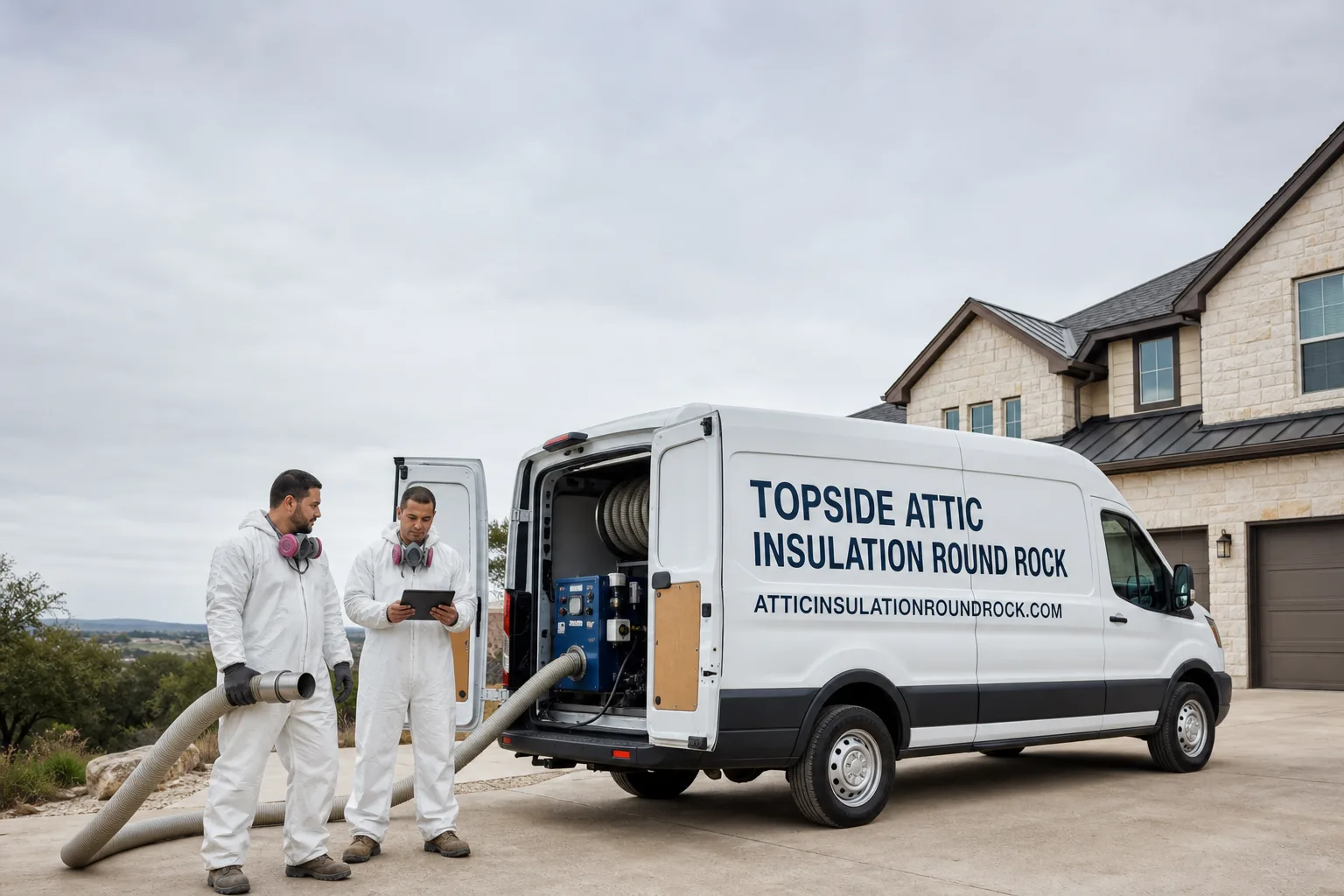
Once the scope is approved, removal comes first. The crew uses an industrial insulation vacuum connected to a truck-mounted unit to extract old material from the attic floor. Bags are sealed, staged, and removed from the property. If contamination is present, the attic surface is treated with an enzyme-based sanitizer after extraction.
Air sealing follows removal, before any new material is installed. A technician seals every identified penetration – top plates, can-light boxes, wiring chases, plumbing vents, drop soffits – using either two-component spray foam or mastic depending on gap size and location. This is the step that most insulation contractors skip or treat as optional. It is not optional here.
Then the new insulation goes in. Material selection – cellulose, fiberglass, or in some cases open-cell spray foam in a specific assembly – is matched to the home’s construction type and the homeowner’s goals. We source from Owens Corning, Johns Manville, GreenFiber, and other established manufacturers. We do not have a proprietary product to push, which means the material recommendation is based on the attic’s characteristics rather than margin.
On applicable jobs, a blower-door test is conducted after the air sealing and before the insulation is blown in, and again after completion. The before-and-after readings are documented in writing and included in the job record. You leave with a photo record, a written warranty, and, where applicable, the blower-door numbers that show what changed.
That is the Haven Standard: a written price before anyone starts, a documented record when the crew leaves, and a 365-Day Done Right Promise that covers the work – in writing – if anything is not right. Wes Okafor built Envelope Insulation Co. around that sequence because it is the only way to run a building-envelope business where the homeowner can verify the result rather than take the contractor’s word for it.
If you are comparing contractors for an insulation removal and replacement project in Round Rock, the question to ask is simple: will you give me a written price before the crew arrives, and will you provide before-and-after air-sealing measurements in writing when the job is done? If the answer to either question is no, the lower quote is not a savings.
Key Takeaways
- Insulation removal and replacement in Round Rock, TX costs $1,400 to $3,800 for most homes, with the average full-service job (removal, air sealing, replacement) landing around $2,200.
- Removal alone runs $1.00 to $2.25 per square foot; replacement runs $1.10 to $2.00 per square foot for blown-in insulation to R-38 through R-60.
- Air sealing adds $400 to $950 but is the most important single step – and should always precede new insulation installation, not follow it.
- Rodent or mold contamination adds $350 to $700 in Round Rock and requires HEPA-rated removal and sanitization.
- The federal 25C tax credit covers 30% of qualifying insulation material costs up to $1,200 per year; utility rebates may stack on top depending on your Round Rock service territory.
- Before-and-after blower-door numbers, a photo record, and a written warranty should be standard deliverables – not extras – on any insulation job in Round Rock.
- Get a written price covering the full scope before any work starts. That is Haven Standard Clause 1, and it applies to every job Envelope Insulation Co. touches.
Get a Written Price for Your Round Rock Home
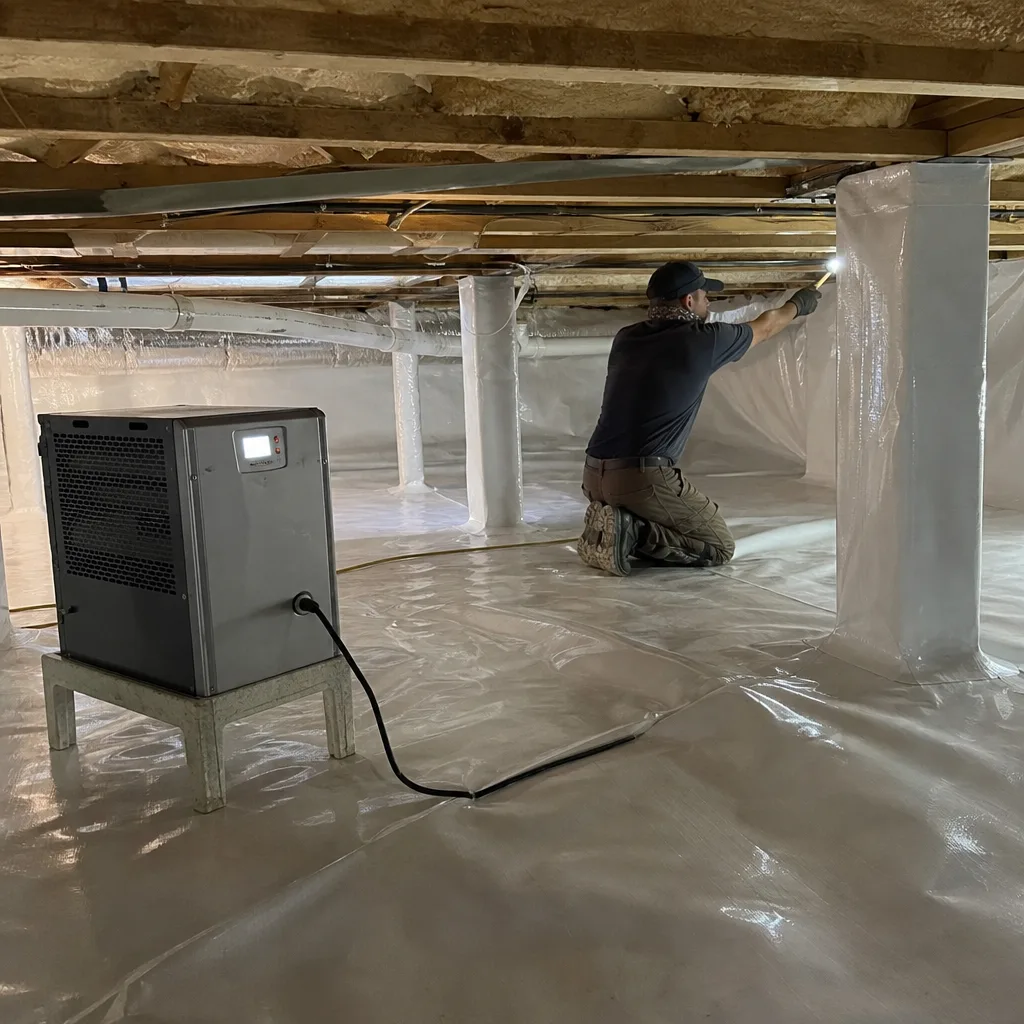
If you are at the research stage and want to know what removal and replacement would actually cost for your specific home in Round Rock, the fastest path to a real number is a brief attic walkthrough – not a phone estimate, not a per-square-foot guess based on your square footage. Wes Okafor and the Envelope Insulation Co. team have completed insulation work on homes across Round Rock, from the older neighborhoods near downtown to newer builds in Teravista and Forest Creek, and every one of those jobs started with a written price before the crew touched anything.
You can also learn more about what the full service covers on our Insulation Removal & Replacement in Round Rock service page, or visit our home to see the complete building-envelope service line.
To schedule a free estimate or ask for a second opinion on a written quote you already have, call (737) 259-7528. A live person answers – no voicemail, no callback window. You will get a named technician, a text when they are on the way, and a written price before anyone starts work.
Pricing reflects the Round Rock market as of 2026. Topside Attic Insulation Round Rock offers free estimates – call (737) 259-7528.
Written by Wes Okafor, Owner at Envelope Insulation Co., serving Round Rock, TX since 2016.
What Our Customers Say
"The winter gas bill dropped by about a third. They had estimated a quarter, so they under-promised."
- Genevieve R."Crawl space encapsulation done properly. Photographs of the vapour barrier at every seam, and the damp smell in the hallway is gone."
- Ainsley P."They air-sealed the attic floor before insulating and showed me the blower-door number before and after. The upstairs is finally the same temperature as downstairs."
- Marisol D.