
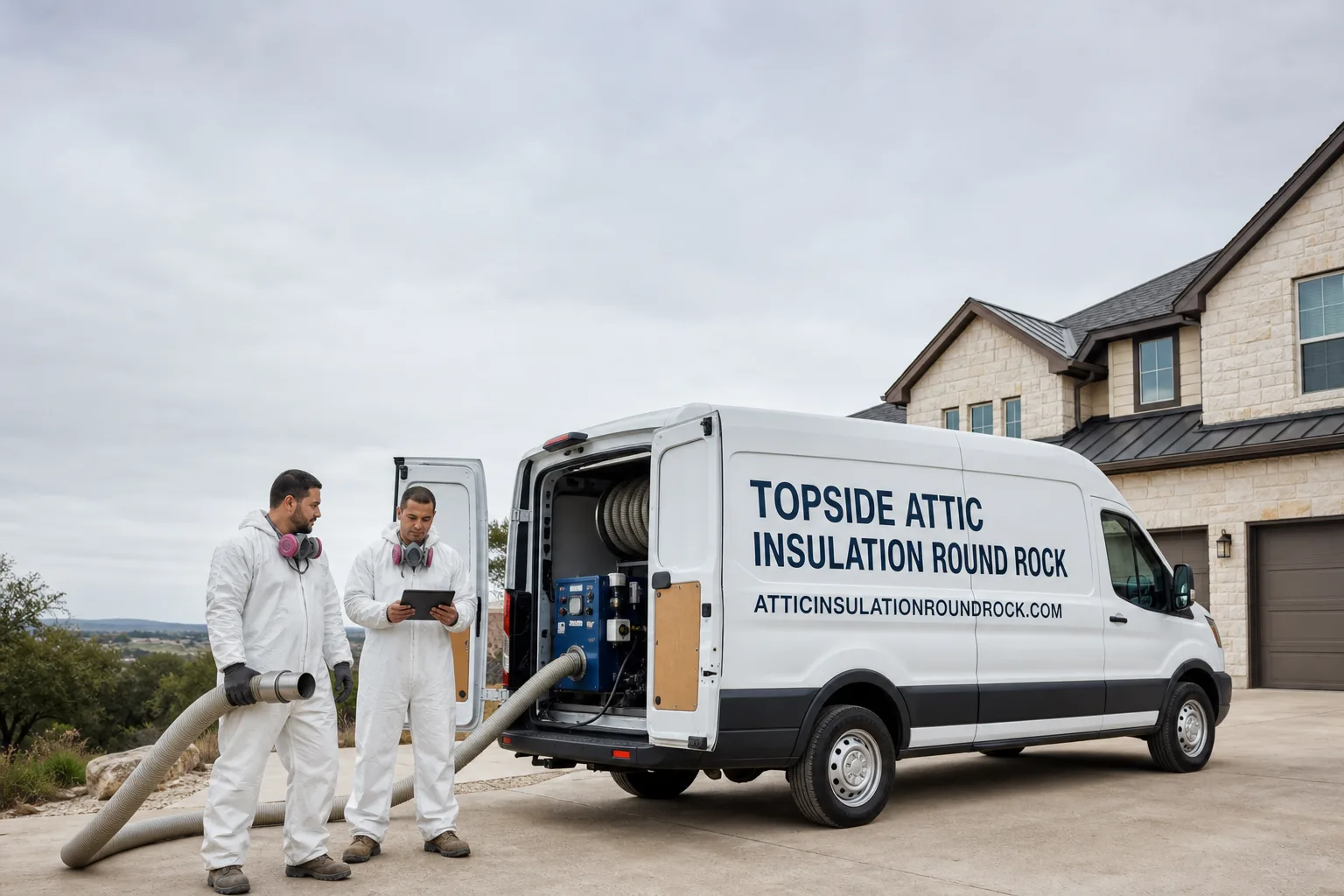
How Much Does Blown-In Insulation Cost in Round Rock?
Blown-In Insulation services in Round Rock, TX typically cost between $1,400 and $3,800 for a standard attic, depending on square footage, current insulation depth, and whether air sealing is completed first. Most Round Rock homes in the 1,800-to-2,800-square-foot range land between $1,700 and $2,900 for a complete attic blow-in with air sealing included. You’ll see that price in writing before anyone touches your attic – that’s how we work at Envelope Insulation Co., and it’s been that way since 2016.
Blown-In Insulation Cost Breakdown (2026)
The table below reflects actual pricing in the Round Rock market as of early 2026. These are the ranges we see on real jobs – not national averages pulled from a calculator. Round Rock’s mix of late-1990s and early-2000s construction, combined with Central Texas heat loads, shapes these numbers more than most homeowners expect.
| Job Type | Typical Range | Notes |
|---|---|---|
| Attic blown-in only (no air sealing), 1,200-1,800 sq ft | $900 – $1,500 | Rare that we recommend this approach; see note below |
| Attic blown-in only, 1,800-2,800 sq ft | $1,300 – $2,000 | Existing insulation depth and access affect this range |
| Attic blown-in only, 2,800-3,800 sq ft | $1,900 – $2,800 | Two-story homes often add $150-$300 for hatch access |
| Attic air sealing + blown-in, 1,200-1,800 sq ft | $1,400 – $2,000 | Most common job size in Brushy Creek and Teravista neighborhoods |
| Attic air sealing + blown-in, 1,800-2,800 sq ft | $1,700 – $2,900 | Most requested package in Round Rock; blower-door readings included |
| Attic air sealing + blown-in, 2,800-3,800 sq ft | $2,400 – $3,800 | Larger homes in Forest Creek or Sendero Springs often in this band |
| Old insulation removal + air sealing + new blown-in | $2,200 – $4,800 | Necessary when existing material is contaminated or heavily settled |
| Dense-pack wall cavities (blown-in to existing walls) | $1.50 – $3.00 per sq ft of wall | Depends on access method and cavity depth |
| Per bag of blown-in cellulose or fiberglass (materials only) | $18 – $32 per bag | Round Rock market rate; number of bags depends on depth target |
| Blower-door test only (standalone) | $250 – $450 | Included at no additional charge on applicable Envelope jobs |
A few things move these numbers. If your home has a standard pull-down stair hatch with good clearance and clean existing insulation, you’re toward the lower end. If the attic has knee walls, multiple HVAC penetrations, or settled material from a 1998 build that never got air-sealed at the top plates, the job takes longer and costs more – but the performance difference is also much larger. In Round Rock neighborhoods like Vista Oaks and Stone Oak Ranch, we frequently see attics where every can-light penetration is an open gap; sealing those before blowing adds time but is the reason the blower-door number drops at all.
One pricing note that’s specific to our work: we don’t quote blown-in insulation without first assessing whether air sealing is needed. Blowing insulation over an unsealed attic floor is a documented way to spend money without getting the energy performance you paid for. Under Blown-In Insulation in Round Rock jobs we scope, air sealing of top plates, can lights, and penetrations is completed before a single bag of insulation goes in – and that sequencing is reflected in the price you see on the written scope, not added as a surprise line item afterward.
What Affects Blown-In Insulation Pricing in Round Rock
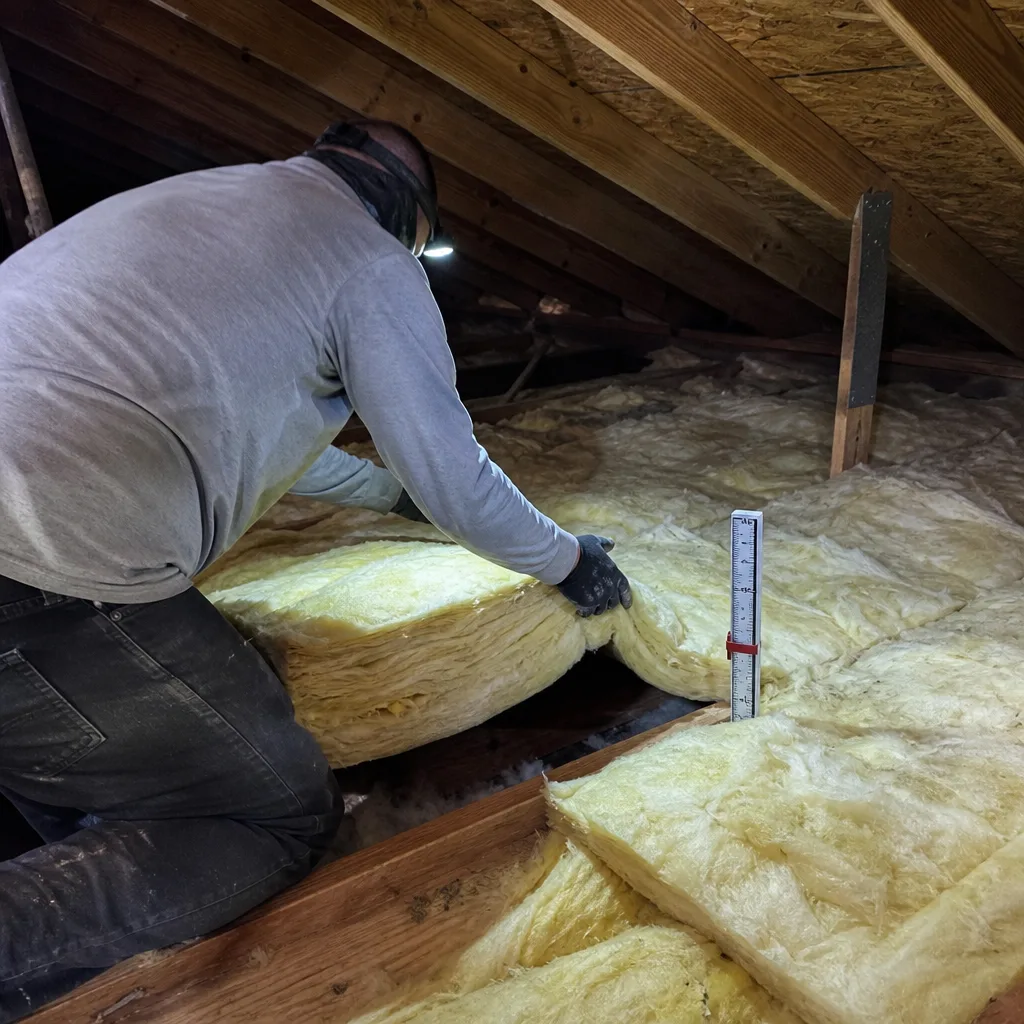
- Current insulation depth and condition: Round Rock has a lot of 1996-2008 construction sitting at R-19 or below when R-38 to R-60 is the appropriate target for a Central Texas climate. Topping up from R-19 to R-38 is straightforward; removing and replacing degraded material from a 25-year-old home near Gattis School Road adds both labor and disposal costs.
- Attic access and layout: A wide pull-down stair is easy. A 14-inch scuttle hole on a two-story home in Highlands at Mayfield Ranch means more time moving equipment and material, which is a real cost driver. Homes with multiple valleys, dormers, or finished bonus rooms above the attic space add complexity.
- Air sealing scope: The number of can lights, top-plate gaps, plumbing chases, and HVAC boots open to the attic determines how long air sealing takes before insulation starts. A 2,200-square-foot home in Teravista with recessed lighting throughout can have 40 or more penetrations to seal; a similar-sized home with surface-mount fixtures in Stone Canyon might have eight.
- Material choice – cellulose vs. fiberglass: Blown cellulose (from brands like GreenFiber) typically runs 10-15% less per installed R-value than blown fiberglass from Owens Corning or Johns Manville. Both perform well in Round Rock’s climate. Cellulose settles slightly over time; fiberglass doesn’t. We carry both and will tell you which one fits your situation rather than defaulting to whichever has the better margin.
- Existing HVAC equipment in the attic: Round Rock homes with attic-mounted air handlers require careful sequencing around ductwork. If ducts are uninsulated or unsealed, a proper job addresses those before blowing – adding to scope and cost, but also to actual savings on your Austin Energy bill.
- Removal of old material: Cellulose from the 1980s and 1990s, vermiculite (rare but present in some older Round Rock properties), and rodent-contaminated fiberglass all require removal before new insulation goes in. Removal runs $500 to $1,800 depending on depth, volume, and whether disposal requires special handling. We document the before condition with photos on every job so you can see exactly what was there.
- Time of year: Central Texas summers mean attic temps over 140 degrees by 9 a.m. Jobs scoped for July and August sometimes carry a modest scheduling premium for crews working in those conditions safely. Spring and fall are easier on everyone.
Round Rock-Specific Factors That Don’t Show Up on National Price Guides
Most pricing guides for blown-in insulation are written for a national audience and use national averages. Round Rock has a few characteristics that push local pricing in specific directions, and homeowners researching here deserve to know them.
The 1995-2008 Build Wave
A large portion of Round Rock’s housing stock was built during the city’s rapid growth period between 1995 and 2008. These homes were code-legal when built but typically landed at R-19 to R-22 attic insulation – the minimum standard at the time. Current Texas building code targets R-38; ENERGY STAR in our climate zone recommends R-49 to R-60. The gap between what’s there and what’s needed is meaningful, and filling it is where most Round Rock homeowners are starting when they call us.
Central Texas Heat Load
Round Rock sits in IECC Climate Zone 2B/3A. Summer cooling loads here are severe – 100-plus-degree days from June through September are routine, not exceptional. The attic floor is the most important thermal boundary in a Central Texas home because radiant heat gain from the roof deck is the primary driver of cooling costs. Blowing insulation without addressing air leaks first means your HVAC is still pulling hot, humid outside air through every gap, regardless of how many inches of fluff are sitting on top of the ceiling drywall.
Austin Energy Rebates
Homes in Round Rock served by Austin Energy may qualify for insulation and air-sealing rebates that reduce out-of-pocket cost. As of 2026, Austin Energy’s rebate program has offered up to $0.10 per square foot for attic insulation upgrades meeting specific R-value thresholds. Rebate programs change; the current schedule is posted at the Austin Energy website. We document the work in a way that supports rebate applications – the written scope, before-and-after blower-door readings, and photo record give you everything a rebate claim typically requires. We don’t file the rebate for you, but we make sure you have the documentation to do it yourself.
Soil Movement and Settlement
Round Rock’s expansive clay soils cause foundation movement that can open gaps at top plates over time – more than you’d see in regions with stable soil. In neighborhoods like Chandler Creek and Brushy Creek Ranch, homes that were reasonably air-sealed at construction can develop meaningful leaks over 15-20 years just from seasonal soil movement. A blower-door test before the job starts gives you a baseline; the after-reading shows what sealing and insulating actually did. We publish both numbers on every applicable job, and that’s not typical in this market.
How to Save on Blown-In Insulation in Round Rock
Understand What You’re Actually Buying
The lowest bid isn’t always the cheapest job. A contractor who quotes $900 for blown-in without air sealing may be giving you a real price for a service that won’t move your energy bill much. Ask any contractor you’re considering: what is your air-sealing scope before blowing? If the answer is “we’ll do some” or “that’s extra,” you’re looking at a different product than what we scope. Get the answer in writing before you compare numbers.
Combine Jobs When Possible
If you’re having attic insulation blown in, the incremental cost of adding a radiant barrier at the same visit is lower than scheduling it as a separate job. Same logic applies to HVAC duct sealing – if a crew is already in the attic, the mobilization cost is absorbed. We scope combination jobs frequently and the written price will show you exactly what each component adds.
Get a Second Opinion on Any Written Estimate
We offer a free second opinion on any written estimate – bring us a competing quote and we’ll read it with you, line by line. That’s Haven Standard policy, not a sales tactic. A second opinion helps you understand what’s included and what isn’t. Call (737) 259-7528 to schedule.
Time Your Project for Spring or Fall
March through May and October through November are the easiest windows in the Round Rock market. Attic temps are manageable, crews aren’t stretched across emergency HVAC-related work, and scheduling is more flexible. Pricing doesn’t swing dramatically by season, but availability does.
Use the Utility Rebate Window
If you’re eligible for an Austin Energy rebate, make sure your contractor documents the work in a way that supports the claim. The before-and-after blower-door readings, the written scope listing R-value achieved, and the photo record we provide on every job are exactly the documentation Austin Energy’s rebate process has historically required. Not every contractor provides this automatically – ask before you hire.
Don’t Pay for Insulation You Don’t Need
A proper job starts with measuring what’s already there. If your attic already has R-26 of settled cellulose, the right scope is a top-up to R-49 – not a full removal and replacement. We document existing conditions with photos before any work starts so the scope is based on what we actually find, not a worst-case assumption.
What You Receive When Envelope Insulation Co. Completes a Job
This section exists because a lot of homeowners in Round Rock don’t know what “done” should look like when an insulation contractor leaves. Here’s what every applicable job closes with:
- Written scope and price before any work starts – Under Haven Standard Clause 1, no work begins without a flat written price and written scope. Not an estimate range. A written number.
- Before-and-after blower-door readings – A pressurization test that gives you one number – CFM50 – showing how much conditioned air your home was losing before sealing, and how much it’s losing after. The difference is the air-sealing result you paid for, expressed in a unit you can verify.
- Documented photo record – Photos of existing conditions, air-sealing work in progress, final insulation depth, and coverage. Included on every job, not available on request.
- Written warranty – Delivered before work starts, not after. The 365-Day Done Right Promise applies to all completed work: if it’s not done right, we make it right.
- Materials documentation – We work with Owens Corning, Johns Manville, GreenFiber, Knauf, Rockwool, CertainTeed, Icynene, and Demilec. The product installed on your job is on the written scope; there’s no proprietary product lock-in.
Wes Okafor has led every job scoped under the Haven Standard since Envelope Insulation Co. began operating in 2016. In that time we’ve completed work on more than 9,000 homes – every one with a written price before anyone started and a documented record when the crew left.
Key Takeaways
- Most Round Rock attic blown-in jobs with air sealing run $1,700 to $2,900 for a 1,800-to-2,800 sq ft home.
- Air sealing before blowing is not optional if you want the energy performance you’re paying for – it’s the reason the blower-door number moves.
- Round Rock’s 1995-2008 housing stock is commonly sitting at R-19 to R-22; current climate-zone recommendations are R-38 to R-60.
- Austin Energy rebates may reduce out-of-pocket cost; the documentation we provide supports rebate applications.
- You get a written price, written warranty, before-and-after blower-door readings, and a photo record on every job – before anyone starts, not after.
- A free second opinion on any written estimate is available; call (737) 259-7528.
FAQs – Blown-In Insulation Cost in Round Rock, TX
How much does blown-in insulation cost per square foot in Round Rock?
Blown-in insulation in Round Rock runs approximately $0.85 to $1.65 per square foot of attic floor for materials and labor when air sealing is included. Jobs without air sealing come in lower – roughly $0.60 to $1.10 per square foot – but we don’t recommend scoping it that way in a Central Texas home. The per-square-foot number shifts based on target R-value, current depth, and access conditions. A written price specific to your home is more useful than a per-square-foot estimate; call (737) 259-7528 and we’ll get you that number.
Is blown-in or batt insulation cheaper for a Round Rock attic?
Blown-in is typically 10 to 20% less expensive than batt insulation for attic applications in Round Rock, and it performs better at filling irregular joist bays and working around HVAC equipment. Batts require precise fitting to avoid gaps; blown-in material conforms to the space. For topping up an existing attic with good structure, blown-in is the standard choice in this market. Batt insulation makes more sense in specific wall and crawl-space applications where a different form factor is needed.
How long does blown-in insulation last in Central Texas?
Quality blown-in fiberglass from Owens Corning or Johns Manville doesn’t degrade materially in normal attic conditions and can last 20 to 30 years or more without significant R-value loss. Blown cellulose settles somewhat in the first few years – typically 15 to 20% – which is accounted for in the initial depth installed. What does reduce effective lifespan is moisture intrusion (from a roof leak or poorly managed humidity) or rodent activity. Both of those are documented in our photo record so the condition is on file. If you suspect either issue in a Round Rock home, that’s worth assessing before new insulation goes in.
Will blown-in insulation lower my energy bill in Round Rock?
In most Round Rock homes we’ve worked in, moving from R-19 to R-49 attic insulation – with proper air sealing completed first – corresponds to a 15 to 30% reduction in cooling load based on blower-door and energy modeling data. The before-and-after blower-door number we provide on every applicable job shows the air-tightness change; your utility bill over the following summer shows the cooling result. We don’t guarantee a specific dollar amount of savings because HVAC efficiency, thermostat habits, and occupancy all vary. What we can document is the physical change in your building envelope – and that documentation is yours to keep.
Can I install blown-in insulation myself to save money?
Box-store blown-in setups using rental blower machines run approximately $500 to $900 in materials for a typical Round Rock attic, so the DIY cost is real. The gap is in air sealing: can-light penetrations, top-plate gaps, and plumbing chases require foam, mastic, and technique to seal correctly before insulation is added. Missing that step means you’ve added R-value without reducing air leakage – the primary driver of cooling costs in a Central Texas home. If you’re comfortable working in an attic that hits 130-140 degrees by mid-morning in summer, have the right equipment, and are confident in your air-sealing work, the labor savings are genuine. If you’d like a professional scope and written price to compare against, call (737) 259-7528.
Does Envelope Insulation Co. serve all of Round Rock, including newer developments?
We serve all of Round Rock, TX – including established neighborhoods like Teravista, Forest Creek, Brushy Creek Ranch, Vista Oaks, Highlands at Mayfield Ranch, Sendero Springs, Stone Canyon, Chandler Creek, and Stone Oak Ranch, as well as newer developments along Gattis School Road and the 620 corridor. The home page has the full service area. If you’re unsure whether your address is in range, call (737) 259-7528 and a live person will confirm – no callback windows, no voicemail loops.
Get a Written Price for Your Round Rock Home
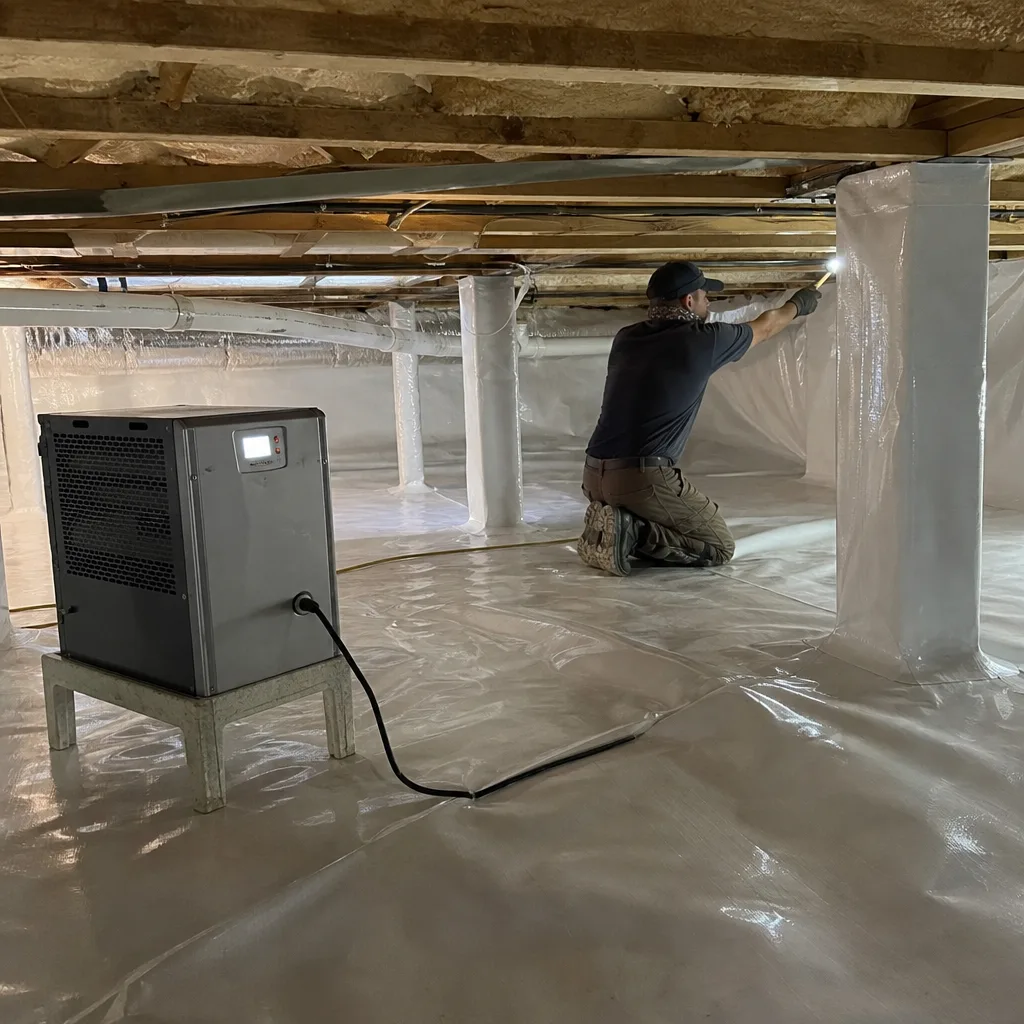
If you’ve read this far, you probably have a real project in mind. The next step is a written price specific to your attic, your current insulation depth, and what air sealing your home actually needs – not a national average applied to your square footage. Wes Okafor and the Envelope Insulation Co. team have been scoping and documenting jobs in Round Rock since 2016. Under Haven Standard Clause 1, the written price comes before any work starts, and the 365-Day Done Right Promise applies to everything we complete. Call (737) 259-7528 – a live person picks up, and you can request a free estimate or bring us a competing written quote for a second opinion. Either way, you’ll leave the conversation with a number, not a callback window.
Written by Wes Okafor, Owner at Envelope Insulation Co., serving Round Rock, TX since 2016.
Pricing reflects the Round Rock market as of 2026. Topside Attic Insulation Round Rock offers free estimates – call (737) 259-7528.
What Our Customers Say
"The winter gas bill dropped by about a third. They had estimated a quarter, so they under-promised."
- Genevieve R."Crawl space encapsulation done properly. Photographs of the vapour barrier at every seam, and the damp smell in the hallway is gone."
- Ainsley P."They air-sealed the attic floor before insulating and showed me the blower-door number before and after. The upstairs is finally the same temperature as downstairs."
- Marisol D.