
Trusted Wall Insulation for Round Rock Homeowners
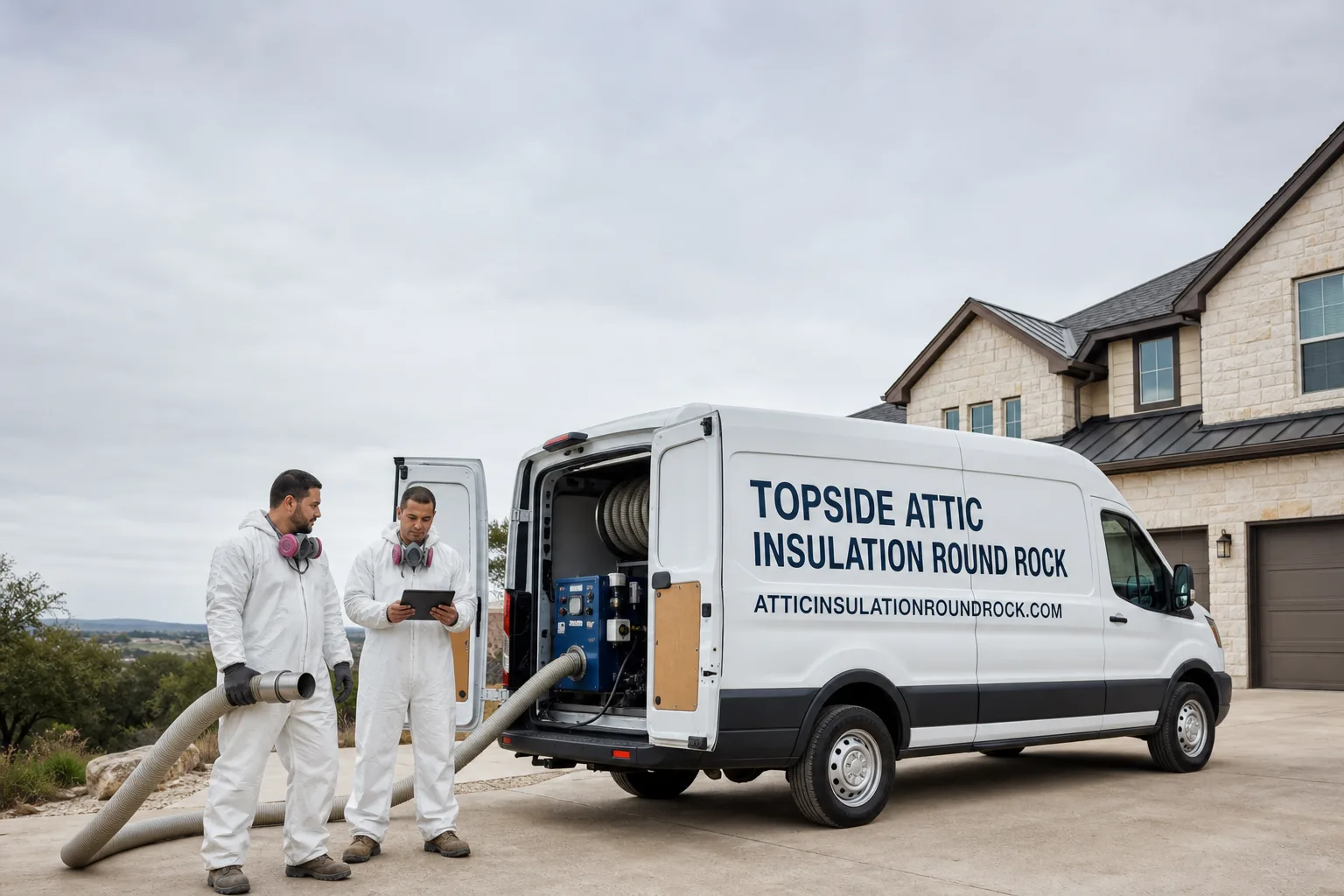
Wall insulation in Round Rock typically runs $2,800-$7,500 for a whole-home retrofit, and most jobs are completed in one to two days with the crew arriving on schedule. We’re Topside Attic Insulation Round Rock, and we’ve been sealing and insulating homes across Williamson and Travis counties since 2016 - over 9,000 homes, every one with a written price before work started and a documented record when the crew left. If your walls are cold to the touch in January, your upstairs bedrooms won’t cool below 78 in August, or your energy bills have climbed 30% since you bought your 2015-2020 build in Forest Creek or Behrens Ranch, the problem is usually empty wall cavities that were never properly filled. Call (737) 259-7528 - a live person answers 24/7, and we’ll put a written estimate in your hands before anyone schedules work.
What Our Wall Insulation Service Includes
Injection Foam Wall Insulation
Injection foam is a water-based resin that expands inside closed wall cavities, filling gaps that batt insulation leaves behind. In Round Rock’s older neighborhoods like Old Town and Kenney Fort, we see this problem constantly: 1970s and 1980s homes built with 2×4 walls and minimal or settled fiberglass batts, where the cavity is 30% air by volume. We drill small holes - usually from the exterior, sometimes from the interior if siding is fragile - and pump the foam under controlled pressure until resistance tells us the cavity is full. The foam cures to an R-13 to R-15 in a standard 2×4 wall, and because it flows around obstructions, it catches the gaps behind electrical boxes and plumbing stacks that batt insulation never reaches. Every injection foam job includes a written scope specifying the fill pressure, the cavity count, and the expected final R-value.
Drill & Fill Wall Insulation
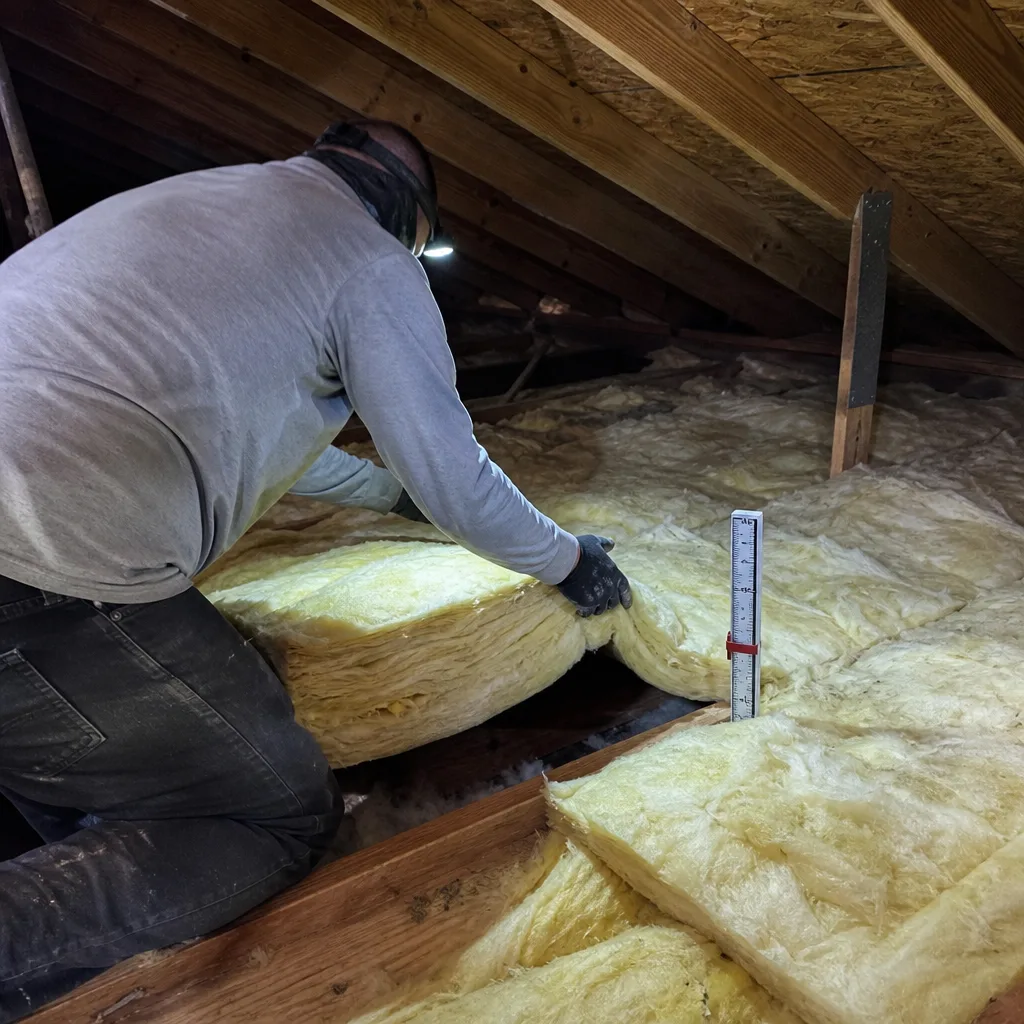
Drill and fill is the retrofit method for walls that have no insulation at all - common in Round Rock homes built before 1980 and in some 1990s spec builds where corners were cut. We remove a row of siding or drill through drywall, bore a 2-inch hole at stud-bay intervals, and blow in dense-packed cellulose or fiberglass to a settled density that prevents settling over time. The key is density: at 3.5 pounds per cubic foot for cellulose, the material creates an air barrier as well as a thermal one. In the Brushy Creek and Wells Branch areas, we’ve found many homes with completely empty exterior walls - the homeowner never knew because the drywall hid the problem. We document every bay with photos before and after filling, and we plug and match the siding or drywall so the repair is invisible. The Haven Standard requires it: written price before any work starts, documented photo record on every visit.
Exterior Wall Insulation
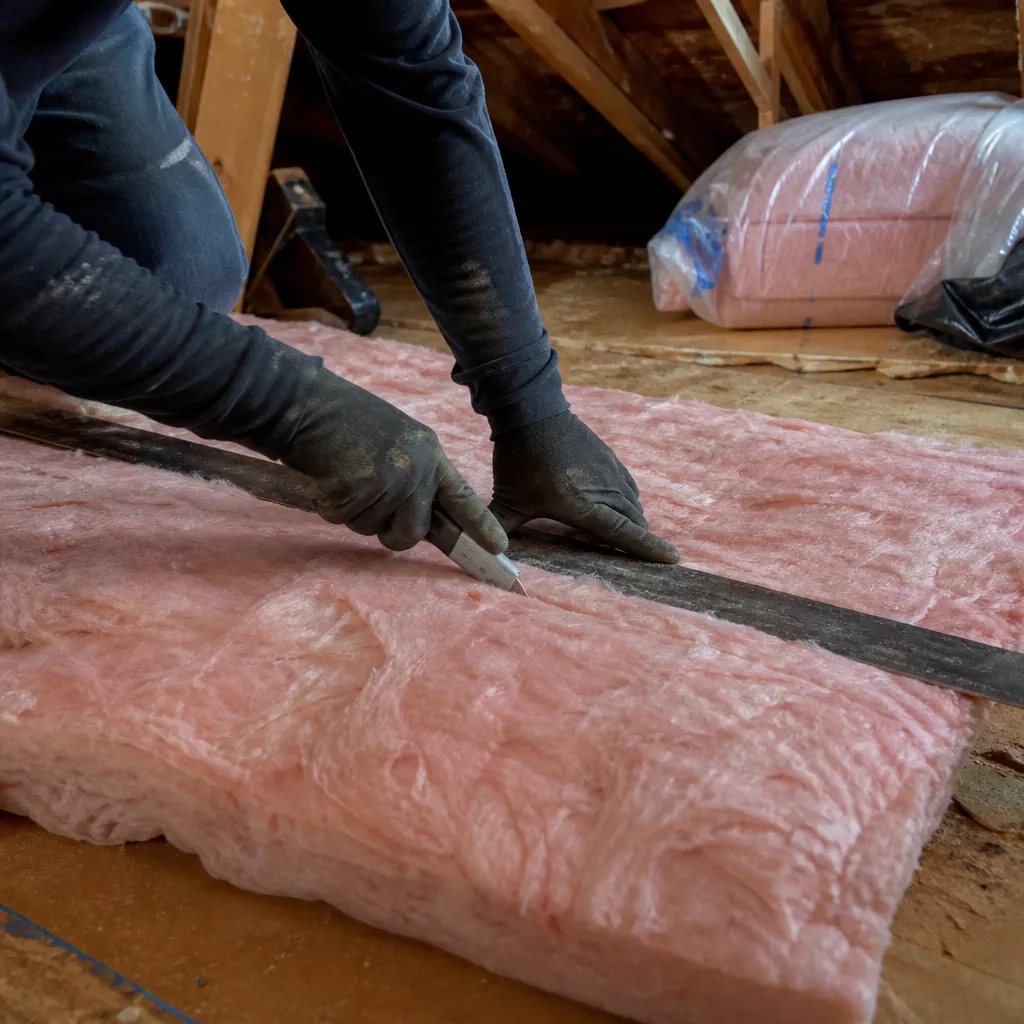
Exterior wall insulation means treating the thermal boundary from the outside - either by removing siding to access sheathing, or by adding continuous insulation over the existing cladding. In Round Rock’s newer subdivisions like Paloma Lake and Siena, where stucco or fiber-cement siding is common, we sometimes recommend exterior rigid foam as part of a re-siding project. The advantage is thermal bridging elimination: wood studs conduct heat directly through the wall, and even a perfect cavity fill leaves 15-25% of the wall area at reduced R-value. A layer of Rockwool Comfortboard or rigid polyiso over the sheathing breaks that bridge. We don’t push this on every job - it’s a significant investment - but when a homeowner is already planning siding replacement, the incremental cost for continuous insulation often pays back in five to seven years given Round Rock’s cooling-dominated climate and rising ERCOT summer peaks.
Interior Wall Soundproofing
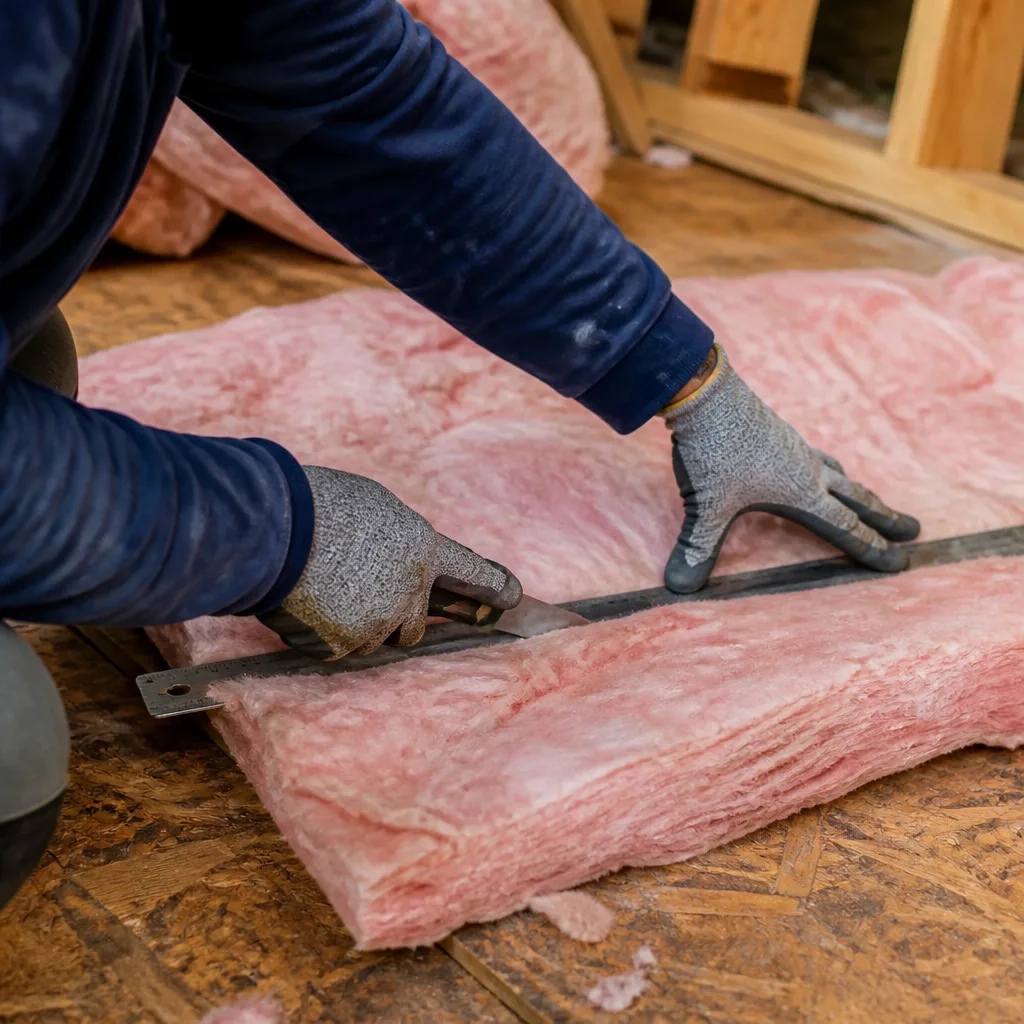
Interior wall soundproofing uses the same access methods as thermal insulation, but the goal is acoustic performance, not R-value. We work with homeowners in Round Rock’s denser infill areas - the townhomes near University Boulevard, the live-work units downtown - where a shared wall transmits every conversation and footstep. The approach is density plus decoupling: we fill the cavity with dense-packed mineral wool, which absorbs mid-range frequencies, and we recommend resilient channel or mass-loaded vinyl when the budget allows. For home offices and media rooms in Brushy Creek and Wells Branch, we’ve found that a standard 2×4 wall with R-13 fiberglass stops almost no sound; replacing it with Rockwool Safe’n’Sound and sealing all penetrations with acoustic caulk drops the STC rating from 33 to 52. We measure and document the improvement when possible, and we always provide a written scope that specifies the material, the coverage area, and the expected acoustic performance.
What happens when you call
- 1
A real person answersNo phone trees - you reach a local pro.
- 2
You get an upfront price rangeHonest numbers before anyone is dispatched.
- 3
A background-checked tech heads outLicensed & insured, dispatched right away.
- 4
You approve before work beginsNothing starts until you say go.
Brands We Service for Wall Insulation
We source wall insulation materials from Owens Corning, Johns Manville, Knauf, Rockwool, CertainTeed, Icynene, Demilec, and GreenFiber - no proprietary product lock-in, no brand exclusivity that limits what’s best for your specific wall assembly. For fiberglass batts and blown-in, we often specify Johns Manville Climate Pro or Knauf Jet Stream; both manufacture to the same ASTM standards, but regional availability and current pricing determine which we stock on any given week. With Rockwool, we’ve completed hundreds of interior soundproofing jobs using their Safe’n’Sound product, which maintains its density and fire resistance for the life of the building - important in Round Rock, where the combination of clay soils and seasonal moisture cycling can degrade organic insulation over decades.
Whether your home currently has CertainTeed InsulSafe, an older Owens Corning system, or no brand-name insulation at all, we can assess what’s there and specify what should replace or supplement it. Our only rule: sealed first, then insulated. We will never blow insulation over an unsealed attic floor, and we apply the same discipline to walls - top plates, electrical penetrations, and plumbing stacks get air-sealed before any new material goes in. The blower-door test, a pressurization reading that shows in one number how much air your building envelope is losing, proves whether the sealing worked.
Signs You Need Wall Insulation Right Now
- Cold walls in winter, hot walls in summer. If you press your hand to an interior wall in January and it feels like the drywall is refrigerated, the cavity behind it is either empty or the insulation has settled below the top plate. In Round Rock, where winter nights drop into the 30s and summer afternoons sit at 102°F, this temperature swing accelerates the discomfort and the energy waste.
- Rooms that won’t maintain temperature despite a running HVAC system. We hear this constantly from homeowners in Forest Creek and Double Creek: the thermostat reads 72, but the bedroom at the end of the duct run never gets below 78 in July. The ductwork may be undersized, but more often the wall behind that room’s exterior corner is uninsulated or poorly insulated, and the conditioned air is fighting a thermal sieve.
- Drafty outlets and switch plates on exterior walls. This is the giveaway that air is moving through the wall cavity. Electrical boxes cut into exterior walls are supposed to be sealed with caulk or foam gaskets, but in production homes they’re often not. If you feel a breeze when you remove the cover plate, the cavity behind it is connected to the attic or the exterior - and that connection means your insulation, if any, is being bypassed by air movement.
- Energy bills 25% higher than comparable homes. We ask every homeowner for their last 12 months of usage. In Round Rock’s 78664 and 78681 ZIP codes, a 2,000-square-foot home built 2015-2020 should run roughly $140-$180 monthly for combined electric and gas. If you’re consistently above $220 and your attic insulation is adequate, the walls are the next place to look.
- Ice damming or condensation staining at wall-ceiling junctions. In our climate, this usually appears in January cold snaps: warm interior air leaks through the top plate into the attic, melts roof snow, and the water refreezes at the eave. The root cause is an unsealed top plate and inadequate wall insulation extending to the full cavity height. We’ve documented this pattern in dozens of Round Rock homes, and the fix is always air sealing first, then insulation.
Our Wall Insulation Process - Step by Step
- 1
Initial assessment and blower-door test. We start with a walk-through and a blower-door test to quantify how much air the home is losing. The test depressurizes the house to 50 Pascals - a standard pressure differential - and measures airflow in CFM50. A typical 2,000-square-foot Round Rock home built 1990-2010 reads 3,500-5,000 CFM50 before any work. We use that number to prioritize air sealing locations and to prove improvement after the job.
- 2
Written price and scope delivered. Under Haven Standard Clause 1, you get a flat price, written scope, and written warranty before anyone lifts a tool. No exceptions. The scope specifies the wall cavities to be treated, the material and density, the access method (interior or exterior), and the expected final R-value or acoustic performance. We also include a Documented Photo Record commitment - photos of every cavity before, during, and after.
- 3
Air sealing of top plates, penetrations, and bypasses. Before insulation touches the wall, we seal every penetration with fire-rated foam or acoustic sealant. In Round Rock’s pier-and-beam and slab-on-grade homes, this means top plates where walls meet attic space, electrical and plumbing penetrations, and any chimney or flue bypasses. The blower-door test guides us: we use a smoke pencil to find the largest leaks and seal those first for maximum impact.
- 4
Insulation installation with density verification. For blown-in applications, we monitor fill density in real time - 3.5 PCF for cellulose, 1.6 PCF for fiberglass - and we probe cavities with a density rod to confirm no voids. For injection foam, we track pump pressure and material volume per cavity. The crew lead signs off on every bay, and the photos are uploaded to your job record before we leave.
- 5
Final blower-door test, documentation, and walk-through. We run the blower-door test again and hand you the before-and-after numbers. A typical wall insulation job in Round Rock drops the CFM50 by 15-30% when combined with proper air sealing. You receive the written warranty, the photo record, and our 365-Day Done Right Promise: if it’s not done right, we make it right. No voicemail loops, no callback windows measured in business days - a live person answers (737) 259-7528 24/7.
How Much Does Wall Insulation Cost in Round Rock?
A typical drill-and-fill or injection foam job for a 1,800-2,400 square foot home in Round Rock runs $2,800-$5,200 for standard 2×4 walls, and $4,500-$7,500 if we’re treating 2×6 walls or adding continuous exterior insulation during a re-siding project. Interior soundproofing for a single room - home office, media room, nursery - typically falls between $1,200 and $2,800 depending on whether we’re working with open drywall or drilling access holes.
What moves the price: cavity count (more exterior wall linear footage means more material and labor), access difficulty (brick veneer costs more to restore than vinyl siding), and whether we discover abandoned wiring or pest damage that needs remediation before insulation can go in. In the Teravista and Mayfield Ranch subdivisions, we’ve found that 2010s builds often have partial insulation - batts in some walls, nothing in others - which requires a hybrid approach and adds complexity.
How to avoid overpaying: get a written scope that specifies the cavity count, the material type and density, and the access method. A quote that says “insulate exterior walls, $4,000” without those details leaves room for corners to be cut. We provide a Free Second Opinion on any written estimate - bring us a competing quote and we’ll read it with you, line by line, and tell you what’s specified and what’s missing. Our estimates are free, detailed, and delivered in writing before any work is scheduled.
What’s included: the blower-door test (before and after), all air sealing of top plates and penetrations, the insulation material and installation, cavity-by-cavity photos, restoration of access holes, and the written warranty. No trip charges, no fuel surcharges, no “disposal fees” added after the fact.
Wall Insulation Near Round Rock - Our Service Area
We work across Williamson and northern Travis counties, with typical drive times under 30 minutes to Brushy Creek, Wells Branch, Pflugerville, Hutto, Jollyville, Cedar Park, Georgetown, Leander, Manor, Taylor, and Austin. In Round Rock proper, we cover the full range from Old Town and Downtown to the newer builds in Paloma Lake, Siena, and Forest Creek. Response time for estimates is usually next-day or same-week; emergency service for issues like ice damming or sudden energy spikes is available with a live person answering (737) 259-7528 24/7. We don’t subcontract wall insulation work - our background-checked, uniformed technicians handle every phase from assessment to final documentation.
Serving Round Rock, TX - Our Local Coverage Area
We’re based in the Round Rock area and know this community well. Use the map below to see our service coverage - if you’re nearby, we can almost certainly help.
Frequently Asked Questions - Wall Insulation in Round Rock
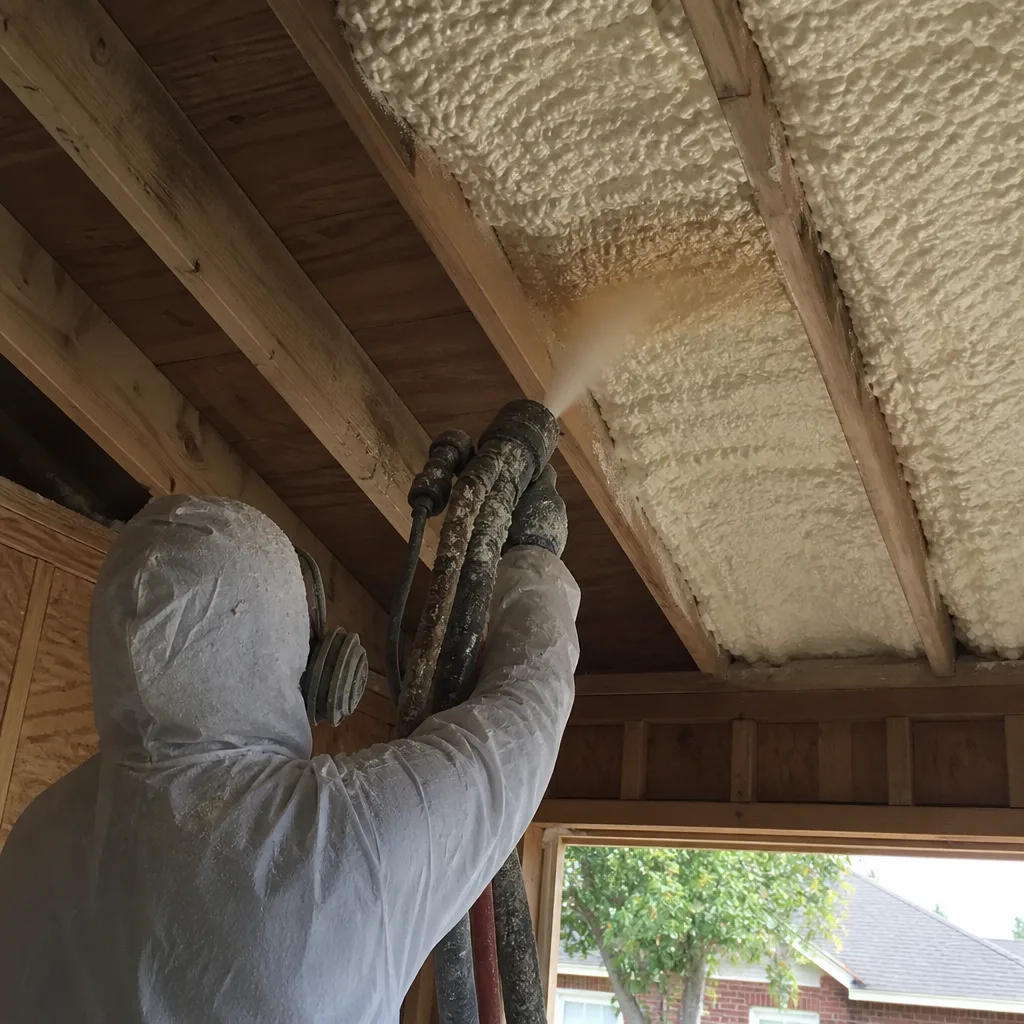
Wall insulation fills the cavities between studs in your exterior walls to slow heat transfer between conditioned indoor space and the outside air. Attic insulation sits above your ceiling and addresses the largest single surface of heat gain or loss, but walls matter too - in a typical Round Rock home, walls account for 15-20% of total thermal load, and in two-story homes with large wall area relative to roof area, that percentage climbs higher. We assess both as a system, but wall insulation requires different access methods and materials than attic work.
Most whole-home wall insulation jobs in Round Rock are completed in one to two days. A single-room soundproofing or partial retrofit can finish in four to six hours. The variable is access: exterior vinyl or wood siding repairs faster than stucco or brick, and homes with finished basements or complex architecture add time. We specify the schedule in our written scope, and we text when the technician is on the way so you’re not waiting on a four-hour window.
Most whole-home wall insulation jobs in Round Rock run $2,800-$5,200 for standard 2×4 walls, with 2×6 walls or exterior continuous insulation projects reaching $4,500-$7,500. Single-room soundproofing typically falls between $1,200 and $2,800. The exact price depends on cavity count, access method, and whether air sealing or repairs are needed. Call (737) 259-7528 for a written estimate - estimates are free, and we provide a Free Second Opinion on any competing quote.
Yes. We work with CertainTeed InsulSafe blown fiberglass, Rockwool Safe’n’Sound and Comfortboard, and all other major brands. We don’t claim exclusive or preferred status with any manufacturer - we specify what performs best for your wall assembly and budget. If your home already has a CertainTeed or Rockwool system that needs supplementing or replacing, we match the material or recommend an upgrade based on current pricing and availability.
We answer calls 24/7 at (737) 259-7528, and we prioritize true emergencies: ice damming with active water intrusion, sudden energy spikes indicating insulation failure, or exposed cavities after storm damage. For standard estimates and scheduled work, we typically offer next-day or same-week appointments. A live person will answer your call, assess urgency, and give you a realistic timeline - no voicemail loops, no callback windows measured in business days.
Every wall insulation job carries our 365-Day Done Right Promise: if it’s not done right, we make it right. The written warranty specifies the material, the installation method, and the expected performance metrics. For injection foam and dense-pack cellulose, we warranty against settling below specified density for 10 years. The Haven Standard requires everything in writing before work starts, and that includes the warranty terms - no verbal promises, no hand-waving.
Move furniture three feet from exterior walls and remove wall hangings, especially on walls where we’ll be drilling access holes. We’ll cover floors and protect furnishings, but the less clutter, the faster and cleaner the job. If we’re working from the exterior, unlock gates and clear patio furniture from the work zone. We’ll text the day before with specific instructions based on your home’s access plan. After the job, you’ll receive the Documented Photo Record and the final blower-door numbers - no preparation needed on your end for that.
Schedule Your Wall Insulation Service in Round Rock Today
Call (737) 259-7528 now - a live person answers 24/7, and we’ll put a written price in your hands before any work is scheduled. Every estimate is free, every scope is written, and every job ends with documented proof of what was done. Ask about our Free Second Opinion if you have a competing quote; we’ll read it with you and show you what’s actually specified. Topside Attic Insulation Round Rock has been independently owned and operated under The Haven Standard since 2016, and we’ve sealed and insulated over 9,000 homes with the same discipline: written price first, documented record last, no exceptions.
Written by Wes Okafor, Owner at Topside Attic Insulation Round Rock, serving Round Rock, Brushy Creek, Wells Branch, and surrounding areas since 2016.