
Last updated September 24, 2026
Insulation Permits, Codes & Inspections in TX: What You Need to Know
Texas is one of the few states with no mandatory statewide building code, which means your insulation project lives or dies by local amendments. In Round Rock, the City adopted IRC 2021 with modifications, and the amendment table contains a specific exemption threshold for attic insulation retrofits that most homeowners never hear about until they’re standing at the permit counter. Cross that threshold by relocating the thermal boundary or adding mechanical scope, and you’re in permit-required territory with no warning sign posted. This guide walks through exactly where Round Rock draws the line, what R-values Climate Zone 2A actually requires, and how the inspection sequence works when a permit is pulled.
Quick Answer
Most standalone attic insulation retrofits in Round Rock do not require a building permit if they stay below the city’s scope threshold for maintenance exemption. Work that relocates the thermal boundary, modifies HVAC penetrations, or combines insulation with mechanical scope triggers permit requirements under IRC 2021 local amendments. When a permit is required, expect a rough-in inspection before cover and a final inspection after completion, with the inspector verifying air barrier continuity and insulation depth against Table N1102.1.2 for Climate Zone 2A.
Table of Contents
- Why Texas Has No Statewide Insulation Code
- Where Round Rock Draws the Permit Line
- IRC 2021 Table N1102.1.2: R-Values for Climate Zone 2A
- The Round Rock Inspection Sequence Explained
- Where Insulation Work Meets Mechanical Licensing
- What Unpermitted Work Costs at Resale
- Common Mistakes to Avoid
- When to Call a Professional
- Frequently Asked Questions
- The Bottom Line
Why Texas Has No Statewide Insulation Code
Texas leaves residential building codes to local jurisdictions through a system called home rule. The state does not enforce a uniform energy code, which means a contractor working in Houston operates under different requirements than one in Round Rock or Austin. For homeowners, this creates a patchwork where the same insulation assembly can be code-compliant on one side of a county line and non-compliant on the other.
Round Rock operates under the International Residential Code 2021 with local amendments, administered by the City of Round Rock Development Services Department. The city maintains its own amendment table that modifies, adds to, or deletes provisions from the base IRC. These amendments are where the permit exemptions live, and they’re not summarized in the consumer-facing documents most homeowners find first.
We’ve pulled permits in Round Rock since 2016, and the gap between what homeowners assume is required and what the city actually enforces is consistent. Most assume insulation falls under a blanket maintenance exemption. It does not. The exemption has a scope ceiling, and crossing it without a permit creates a compliance gap that surfaces later, usually during a real estate transaction.
The practical effect for Round Rock homeowners: you cannot rely on a contractor’s general Texas experience to predict your local requirements. A contractor who works primarily in unincorporated Williamson County may not be current on Round Rock’s 2021 adoption cycle or its specific amendment language. Ask directly: “What Round Rock permits were pulled on my last three jobs?” The answer tells you whether they’re operating with current information.
Where Round Rock Draws the Permit Line
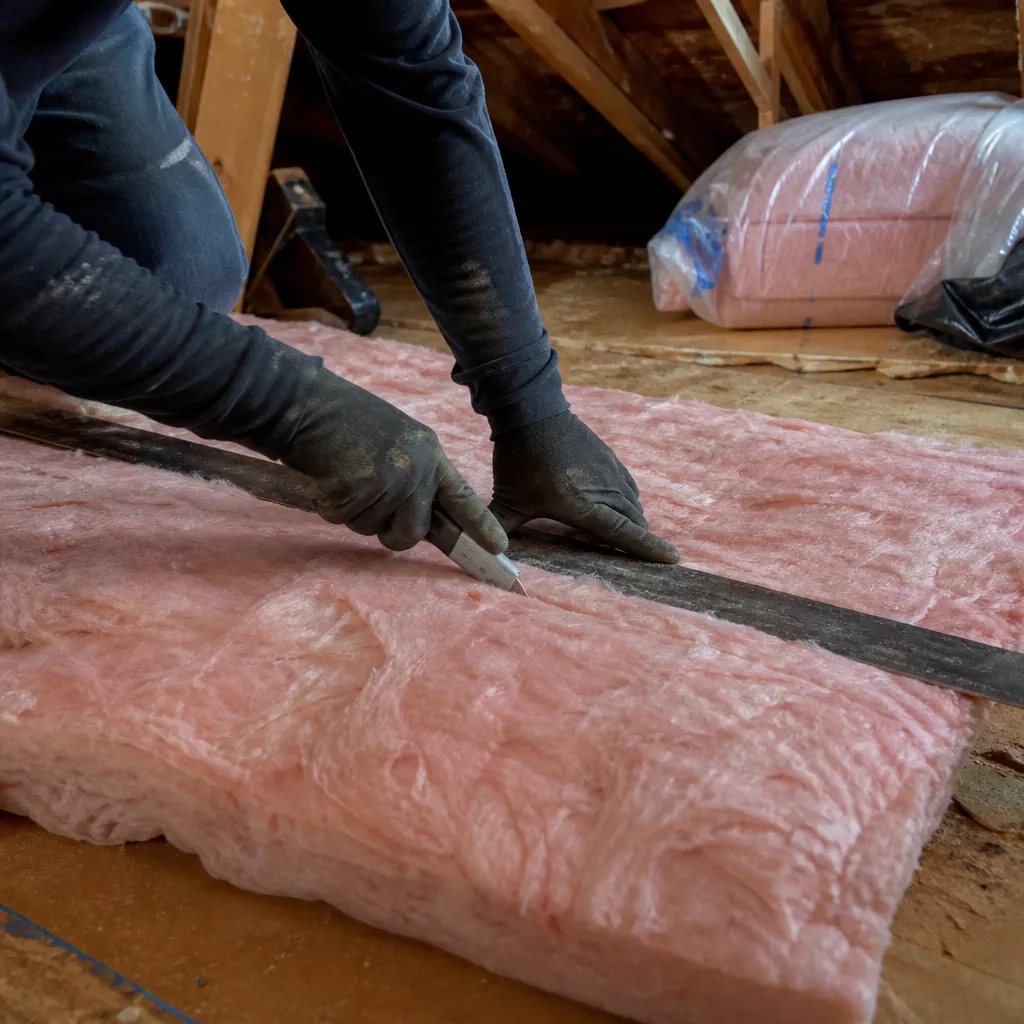
Round Rock’s amendment to IRC 2021 Section R105.2 establishes maintenance exemptions for certain building work without requiring a permit. The exemption for attic insulation retrofits applies only when the work remains within specific boundaries. Cross those boundaries, and the exemption dissolves.
The maintenance exemption for insulation in Round Rock typically covers:
- Adding insulation within existing cavities where the thermal boundary location does not change
- Replacing degraded insulation with equivalent or improved material in the same plane
- Spot repairs to damaged sections, provided the repair area is less than 25% of the total insulated surface in that assembly
The exemption ends and a permit becomes required when:
- The thermal boundary is relocated, such as moving insulation from the attic floor to the roof deck, converting a vented attic to an unvented conditioned space
- The work includes modifications to HVAC ductwork, exhaust fans, or combustion appliance venting that penetrates the building envelope
- The insulation scope is combined with structural modifications, electrical work, or plumbing changes under a single project
- Spray foam insulation is applied to the underside of roof decking, which changes the attic’s moisture management strategy and requires engineered ventilation analysis
We’ve seen homeowners in Round Rock’s Behrens Ranch and Forest Creek neighborhoods assume that topping off existing attic insulation with blown-in fiberglass is automatically exempt. Usually it is. But when the same project includes sealing and wrapping flex ductwork that passes through the attic, the mechanical scope triggers permit requirements even if the insulation itself would have been exempt alone.
The permit application in Round Rock requires a scope description, and the plan reviewer will flag combined work. If your contractor suggests splitting the project into separate invoices to avoid permitting, that is a red flag. The city evaluates project scope, not billing structure, and unpermitted mechanical work carries penalties separate from the insulation compliance question.
IRC 2021 Table N1102.1.2: R-Values for Climate Zone 2A
Round Rock sits in IECC Climate Zone 2A, a hot-humid zone that covers most of Central Texas east of the Balcones Escarpment. Table N1102.1.2 of IRC 2021 specifies minimum insulation R-values by assembly type for this zone, and these are the numbers the Round Rock inspector checks against, not the national average figures that populate most online reference tables.
For Climate Zone 2A, the prescriptive R-value requirements are:
- Wood-frame walls: R-20 or R-13 + 5 continuous insulation
- Mass walls: R-5.7 continuous insulation
- Floors over unconditioned space or crawl spaces: R-13
- Attic insulation, ceiling plane: R-38
- Attic insulation, roof deck (cathedral ceiling or unvented attic): R-30 continuous insulation
- Slab-on-grade, entire slab: R-0 (no requirement in Zone 2A)
- Slab-on-grade, slab edge only: R-0 (no requirement in Zone 2A)
- Crawl space walls: R-10 continuous insulation or R-13 cavity insulation
- Basement walls: R-10 continuous insulation or R-13 cavity insulation
The R-38 attic requirement is where most Round Rock retrofit work focuses. Existing homes built under earlier code cycles often have R-19 or R-30 in the attic. A retrofit to R-38 typically requires 10 to 14 inches of blown-in fiberglass or cellulose, depending on the product settled density. Owens Corning AttiCat blown-in fiberglass settles to approximately R-2.5 per inch at standard density. Johns Manville Spider fiberglass blown-in system achieves closer to R-3.7 per inch at higher install densities.
The inspector does not accept bag labels or manufacturer claims at face value. In Round Rock, the rough-in inspection for permit-required attic work includes depth verification at multiple locations, measured with a probe through the insulation to the drywall below. The measurement is taken after settlement, not at the time of blow. We’ve found that insulation installed to a marked depth of 14 inches often settles to 12 inches within 30 days, which can drop the effective R-value below the R-38 threshold if the initial install density was insufficient.
Climate Zone 2A’s hot-humid designation also affects vapor retarder requirements. IRC 2021 Section N1102.5.1 requires Class I or II vapor retarders on the interior side of frame walls in Climate Zones 5 through 8, but Zone 2A has no mandatory vapor retarder requirement for above-grade walls. This surprises homeowners who read national guides and assume a polyethylene sheet is always required. In Round Rock’s climate, the vapor drive is predominantly inward during cooling season, and the code recognizes that interior vapor retarders can trap moisture in wall assemblies. The local amendment table does not modify this provision.
The Round Rock Inspection Sequence Explained
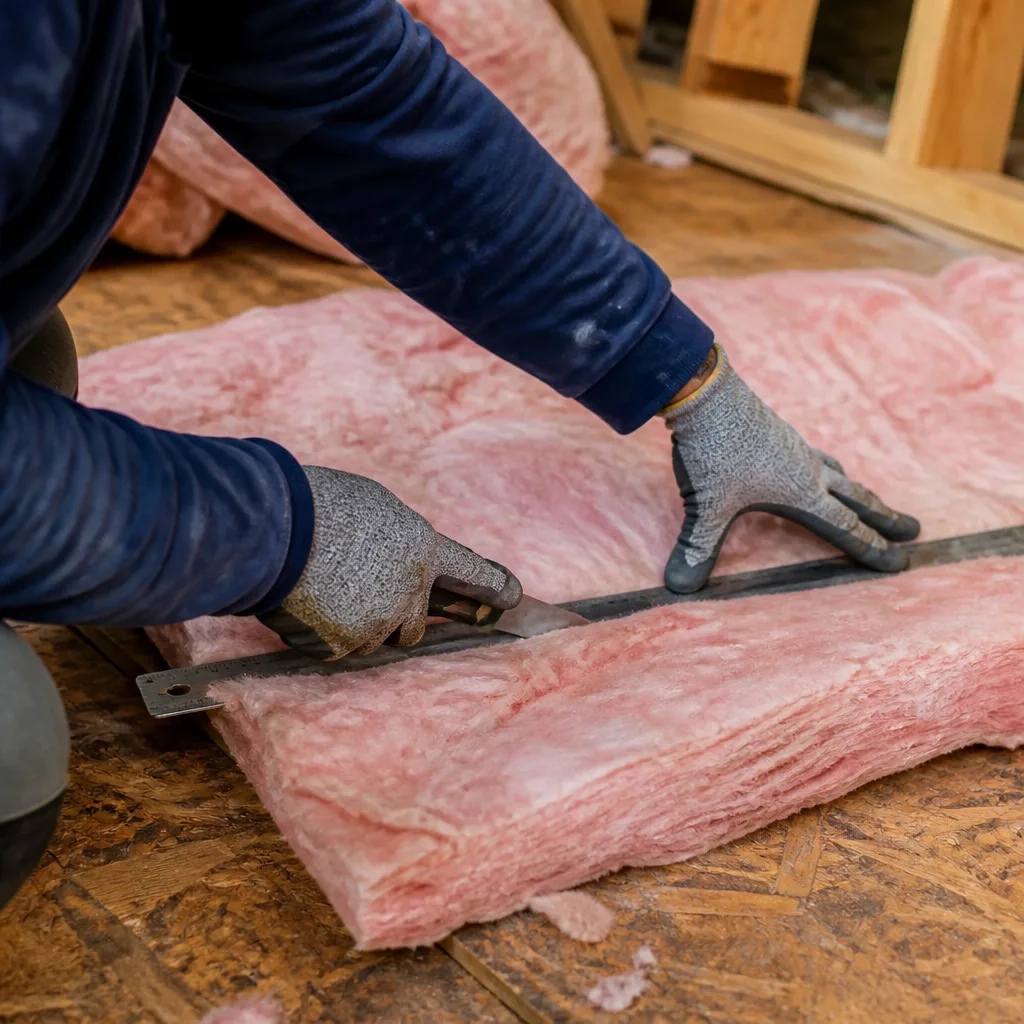
When a permit is required for insulation work in Round Rock, the inspection sequence follows a two-stage process: rough-in before cover, and final after completion. Understanding what happens at each stage helps homeowners know what documentation to expect and what conditions can cause a re-inspection.
Rough-In Inspection
The rough-in inspection occurs after air sealing and insulation placement are complete but before any covering material is installed. For attic work, this means the insulation is in place but the attic floor decking, storage platforms, or radiant barrier foil has not been laid over the work area.
The Round Rock inspector verifies:
- Insulation depth at minimum three locations per 1,000 square feet of attic area, measured with a calibrated probe to the ceiling drywall surface
- Air barrier continuity at top plates, electrical and plumbing penetrations, and around chimney chases
- Recessed light fixtures in contact with insulation are IC-rated (insulation contact) or protected by a non-combustible enclosure
- Attic ventilation remains unobstructed, with baffles installed at eaves where insulation would otherwise block soffit intake
- Combustion appliance venting maintains required clearances to combustible materials, including insulation
The air barrier verification is the element most homeowners do not expect. The inspector is not merely checking that insulation exists at the required depth. They are checking that the thermal boundary is also an air barrier, or that a separate air barrier plane exists and is continuous. Gaps at top plates, unsealed wire penetrations, or missing baffles that allow wind washing at eaves can trigger a correction notice even when insulation depth is adequate.
We’ve had rough-in inspections in Round Rock’s Teravista and Paloma Lake subdivisions where the inspector flagged a 3/8-inch gap at a top plate junction that the homeowner could not see from the attic access hatch. The gap represented a predictable air leakage path that would have degraded the effective R-value by 15-20% through convective looping. Under Haven Standard, we seal these before the inspector arrives, but not all contractors operate with the same sequence.
Final Inspection
The final inspection occurs after all covering materials are installed and the space is returned to finished condition. For attic work, this is often a visual confirmation that the access hatch is insulated to the same R-value as the surrounding attic floor, that pull-down stairs have a weatherstripped seal, and that any disturbed fire-blocking has been restored.
The inspector also verifies that the approved plans match the as-built condition. If the permit application specified R-38 blown-in fiberglass and the contractor substituted R-30 batts without plan revision, the final will fail. Change orders during permit-required work must be submitted to Development Services before the change is implemented.
Inspection Scheduling and Documentation
Round Rock uses an online inspection scheduling system with next-business-day availability for most trade inspections. The homeowner or contractor receives a printed inspection card at permit issuance that must be posted on site. Each passed inspection is recorded on the card and in the city’s electronic permit record.
We deliver a copy of the final inspection approval to every Round Rock homeowner for permit-required work, along with the Documented Photo Record showing insulation depth measurements and air sealing locations. This creates a permanent compliance file that transfers with the property.
Where Insulation Work Meets Mechanical Licensing
Texas Occupations Code Chapter 1302 requires a state license for anyone who engages in air conditioning and refrigeration contracting, which includes work on HVAC systems. The critical overlap with insulation occurs when the insulation scope involves ductwork that passes through unconditioned space.
In Round Rock’s climate, attic ductwork is common in homes built between 1985 and 2010. When a homeowner adds attic insulation, the contractor often encounters flex duct that has degraded, disconnected, or was never properly sealed at the plenum connection. Repairing or replacing that ductwork requires a Texas Air Conditioning and Refrigeration Contractor license, even if the “primary” scope is insulation.
The licensing tiers matter:
- A Class A license allows work on any size system
- A Class B license is limited to systems under 25 tons cooling or 1.5 million BTU/hour heating
- An Environmental Air License is limited to environmental air conditioning, which covers residential systems
An insulation contractor without mechanical licensing can legally install insulation around existing ductwork but cannot disconnect, reconnect, or modify the duct system. We’ve inspected attics in Round Rock’s Mayfield Ranch neighborhood where a previous contractor had wrapped deteriorated flex duct with additional insulation to conceal leaks, without addressing the disconnection at the trunk line. The homeowner’s energy bills did not improve because the conditioned air was leaking into the attic, and the concealed defect created a moisture problem that required remediation.
The permit application for combined insulation and mechanical work in Round Rock requires the mechanical contractor’s license number and the responsible party’s name. If your insulation contractor proposes duct modifications as part of the scope, verify their license status through the Texas Department of Licensing and Regulation online lookup. An unlicensed contractor performing mechanical work creates liability for the homeowner if the work causes property damage or personal injury, and homeowner’s insurance may deny claims related to unlicensed work.
Under Haven Standard, we maintain relationships with licensed mechanical contractors in Round Rock for scopes that require crossover. The homeowner receives a single written price and written scope, but the mechanical portion is performed under the appropriate license with its own permit if required. We do not perform mechanical work without the proper credential, and we document the license holder in the project record.
What Unpermitted Work Costs at Resale
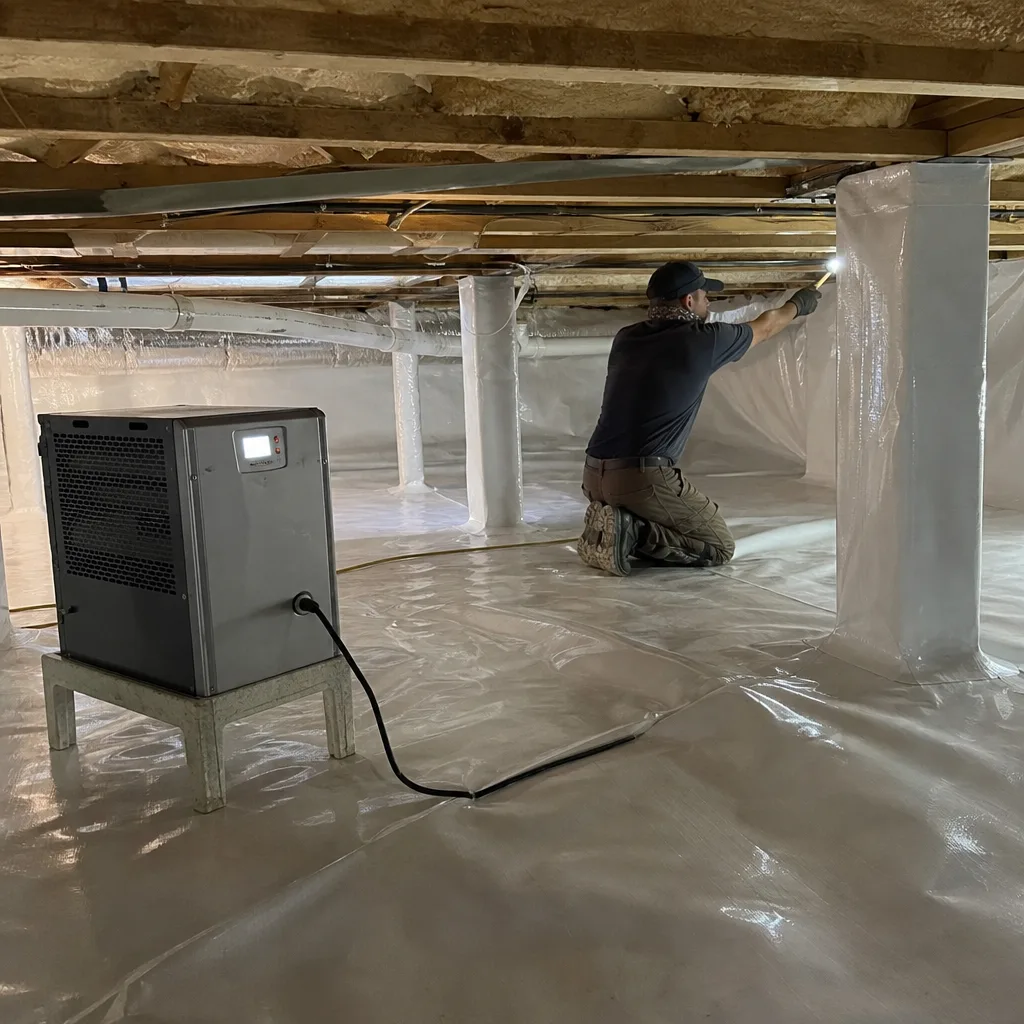
The consequences of unpermitted insulation work in Round Rock are concrete, not hypothetical. They surface predictably during real estate transactions, and the cost to remediate typically exceeds what the original permit would have cost by a factor of ten or more.
Texas Property Code Section 5.008 requires sellers to disclose known defects and code violations to prospective buyers. The disclosure form specifically asks about room additions, structural changes, and other alterations made without required permits. A seller who knows of unpermitted insulation work and fails to disclose it commits a material misrepresentation, which can void the sale or trigger post-closing liability.
The more common scenario is discovery during the buyer’s inspection. Home inspectors in Round Rock routinely check the city’s online permit records for the property address. When they find no permit for visible attic insulation work, especially spray foam on roof decking or modified HVAC penetrations, they flag it as a potential code violation. The buyer’s lender or insurer may then require:
- A retroactive permit application, which in Round Rock requires opening finished surfaces for inspection
- Removal of covering materials to verify rough-in conditions
- Correction of any code deficiencies found during the retroactive inspection
- Payment of permit fees at current rates plus administrative penalties, typically double the original fee
We’ve been called to Round Rock homes in Brushy Creek and Cat Hollow where retroactive permitting required removing attic decking, pulling back spray foam from roof decking to verify nailing patterns and ventilation, and re-inspecting air sealing that had been covered for years. The homeowner’s cost ranged from $2,800 to $7,400, against an original permit fee that would have been $180 to $340.
Homeowner’s insurance adds another layer. Most policies contain a workmanship exclusion, but some carriers specifically exclude damage arising from unpermitted alterations. If unpermitted spray foam insulation traps moisture and causes roof deck rot, the carrier may deny the claim based on the permit violation, even if the installation technique was otherwise correct. The permit is not merely bureaucratic compliance; it is documentation that the work was inspected and approved by the authority having jurisdiction.
For homeowners planning to sell within five years, the permit question is particularly urgent. Round Rock’s real estate market moves quickly, and a permit gap can delay closing by 30 to 60 days while retroactive inspection and correction are completed. Cash buyers may accept the risk, but financed buyers rarely can.
Common Mistakes to Avoid
- Assuming all attic insulation is maintenance-exempt in Round Rock. The exemption has a scope threshold, and adding mechanical work or relocating the thermal boundary crosses it.
- Accepting a contractor’s verbal assurance that “we never pull permits for this.” Ask for the specific amendment citation they’re relying on, then verify with Round Rock Development Services.
- Installing insulation before air sealing. The IRC 2021 requires continuous air barriers in Climate Zone 2A, and Round Rock inspectors verify this at rough-in. Insulation over unsealed leaks performs at a fraction of its rated R-value.
- Using national R-value tables instead of Climate Zone 2A requirements. R-49 attic insulation, appropriate for Zone 5, is overkill in Round Rock and wastes material cost without proportional return.
- Hiring an insulation contractor to modify HVAC ductwork without verifying mechanical licensing. The TDLR license lookup takes 60 seconds and prevents liability exposure.
- Skipping the final inspection walkthrough. The approved inspection card is your documentation of compliance; without it, you have no defense against a future disclosure challenge.
- Installing spray foam on roof decking without engineered ventilation analysis. This changes the attic from vented to unvented and requires compliance with IRC 2021 Section R806.5, which Round Rock enforces without amendment.
When to Call a Professional
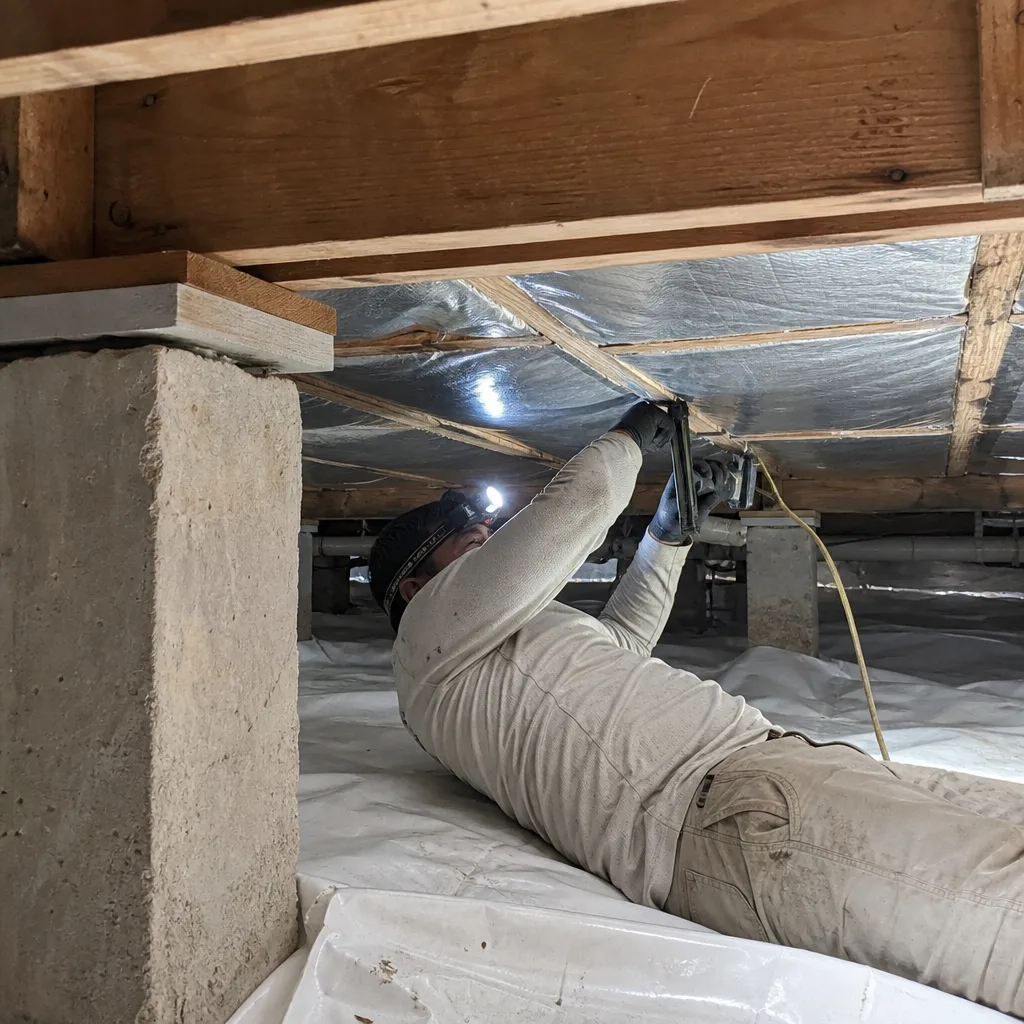
Call a professional when your project scope touches any of the permit triggers: thermal boundary relocation, combined mechanical work, or spray foam application to roof decking. Call a professional when you cannot verify the existing insulation R-value or when the attic contains knob-and-tube wiring, deteriorated ductwork, or signs of moisture damage that suggest the building envelope has already failed.
Topside Attic Insulation Round Rock offers free estimates in Round Rock. We’ll review your existing conditions, identify whether your scope requires permitting under current local amendments, and deliver a written price before any work starts. If you have a competing estimate, bring it in for a free second opinion. Call (737) 259-7528.
Frequently Asked Questions
Most standalone attic insulation retrofits that do not relocate the thermal boundary or include mechanical work qualify for Round Rock’s maintenance exemption and do not require a permit. If your project includes ductwork modification, spray foam on roof decking, or structural changes, a permit is required. Call (737) 259-7528 and we can review your specific scope against current amendments.
Round Rock, in Climate Zone 2A, requires R-38 minimum for attic insulation at the ceiling plane under IRC 2021 Table N1102.1.2. Cathedral ceilings and unvented attic roof decks require R-30 continuous insulation. These are specific to Zone 2A; national averages you find online often cite higher values appropriate for colder climates.
Building permit fees in Round Rock are based on project valuation, with a minimum fee that typically falls between $180 and $340 for residential insulation scopes. The exact fee depends on whether the permit is standalone or combined with mechanical or electrical work. We include permit costs in our written price when a permit is required.
Texas law requires disclosure of known unpermitted alterations, and Round Rock’s permit records are searchable online by property address. Buyers’ inspectors routinely check these records. Discovery of unpermitted work can trigger retroactive permitting with surface removal, code corrections, and penalties that typically cost ten times the original permit fee. Proper permitting at the time of work prevents this exposure.
No. Modifying, disconnecting, or reconnecting HVAC ductwork in Texas requires a license from the Texas Department of Licensing and Regulation. An insulation contractor without this license can insulate around existing ducts but cannot perform mechanical work on the system. Always verify the license number through TDLR’s online lookup before allowing duct modifications.
The inspector verifies insulation depth with a probe at multiple locations, checks air barrier continuity at penetrations and top plates, confirms recessed lights are IC-rated or properly enclosed, verifies attic ventilation remains unobstructed with baffles at eaves, and checks combustion clearances. The inspection is not a visual pass; it is a measured verification against IRC 2021 requirements.
The Bottom Line
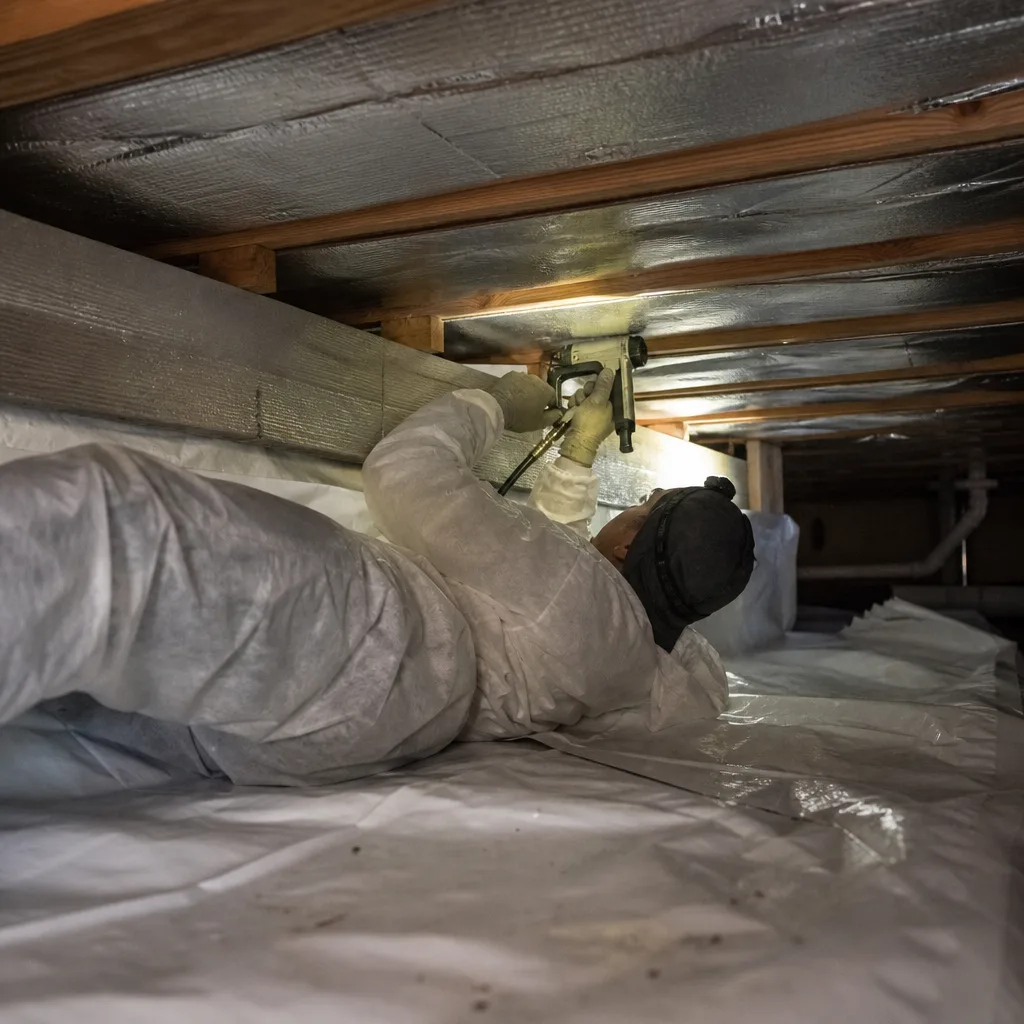
Texas’s lack of a statewide code means your insulation project’s compliance depends entirely on local amendments. In Round Rock, IRC 2021 with city modifications creates a permit threshold that catches homeowners who assume all attic work is maintenance-exempt. Know the specific R-values for Climate Zone 2A, understand when mechanical licensing overlaps with insulation scope, and document every permit-required project with the inspection approvals that transfer with your property. The cost of compliance at installation is minor compared to the cost of discovery at resale.
Written by Wes Okafor, Owner at Topside Attic Insulation Round Rock, serving Round Rock since 2016.